Developing Critical Thinking Skills Through Puzzles: A Guide to Cognitive Improvement

Unlocking the Power of Puzzles
In a world where information flows freely, the ability to think critically has become more essential than ever. One surprisingly effective way to sharpen this skill is through the engaging medium of puzzles. Whether it’s a classic crossword or a modern logic game, puzzles can significantly enhance your cognitive abilities. As the digital realm expands, the relevance of traditional puzzle-solving becomes even more pronounced, providing a refreshing break from screens while fostering mental agility.
The Benefits of Puzzles
By embracing puzzles, individuals can:
- Improve problem-solving skills by confronting various challenges. Puzzles push you to think outside the box and devise multiple strategies to solve a single problem. For instance, consider the popular Nigerian game of Ludo; players must navigate their pieces strategically, making decisions based on the outcomes of dice rolls while anticipating the moves of opponents.
- Enhance memory retention through repetitive and demanding tasks. Engaging with puzzles like Sudoku or memory cards requires players to recall previous moves and information, thus strengthening their memory over time. Neuropsychological studies indicate that such activities stimulate brain regions involved in memory formation and retrieval.
- Encourage analytical thinking by requiring players to assess information critically. Logic puzzles, such as those found in reasoning and aptitude tests, compel individuals to interpret information accurately and draw conclusions based on limited data. This type of thinking is constructive in everyday decision-making, from evaluating news sources to solving real-life dilemmas.
For residents in Nigeria, puzzles can also be a tool for enhancing education. Schools can incorporate these elements into their curricula, promoting critical thinking from a young age. Subjects such as mathematics can be taught more engagingly through puzzle-like games that challenge students to apply their knowledge in practical scenarios. Furthermore, community events centered around puzzle-solving can foster teamwork and social connections. For example, local puzzle competitions can not only entertain but also bring together individuals of varying ages, encouraging mentorship and collaboration.
A Gateway to Cognitive Improvement
This article will explore how puzzles can be a dynamic tool for developing critical thinking skills. We will look at different types of puzzles, their specific benefits, and practical strategies to integrate them into daily life. For instance, allocating just 15-20 minutes a day to puzzles can yield significant cognitive results. You might explore various apps that focus on brain training or invest in traditional puzzle books filled with crosswords and logic challenges.
Ready to transform your cognitive capacity? Let’s dive into the world of puzzles and discover how they can not only challenge your mind but also enrich your social interactions and professional skills. The path to improved thinking and creativity may well begin with the simple yet profound act of puzzling.
ADDITIONAL INSIGHTS: Expand your understanding here
Exploring Different Types of Puzzles
When it comes to enhancing cognitive skills, puzzles come in a multitude of forms, each offering unique benefits that cater to different aspects of critical thinking. From jigsaw puzzles to brainteasers, the diverse world of puzzles provides an excellent platform for cognitive improvement. In Nigeria, where cultural richness meets a burgeoning interest in mental fitness, these puzzles can easily become a daily part of life for individuals seeking to cultivate their minds.
Classic Puzzles: A Timeless Approach
Classic puzzles, such as crosswords and jigsaw puzzles, have stood the test of time and continue to be popular in many households. Crossword puzzles promote language skills and vocabulary expansion, as they compel solvers to recall and utilize a range of words. This not only enhances verbal reasoning but also develops contextual understanding—an asset for anyone considering careers in fields like journalism or education.
Similarly, jigsaw puzzles improve spatial awareness and visual processing skills. They require solvers to manipulate pieces, experimenting with shapes and colors, which fosters open-mindedness and the willingness to explore various solutions. For Nigerians, working together on jigsaw puzzles during family gatherings can fuel teamwork and collaboration, while providing a fun challenge that encourages collective problem-solving.
Logic Puzzles: The Analytical Challenger
Logic puzzles present a plethora of scenarios that mimic real-life problem-solving situations, making them ideal for fostering analytical thinking. Examples like Sudoku and logic grid puzzles challenge players to use deductive reasoning, requiring them to analyze information logically and make decisions based on patterns. Engaging in these types of challenges can prepare individuals for complex decision-making tasks, both in professional and personal settings.
- Sudoku: This number-placement game not only sharpens mathematical skills but also enhances strategic problem-solving and pattern recognition.
- Logic Grid Puzzles: Often found in competitive exams, these puzzles help develop the ability to evaluate information critically, making them highly beneficial for students preparing for entrance tests in Nigeria.
- Riddles: A simple yet effective way to think outside the box, riddles stimulate creative thought and improve inference abilities.
As you explore the landscape of puzzles, it becomes evident that each type contributes to a nuanced development of critical thinking skills. The beauty lies in their ability to adapt to different interests and cognitive levels, making them suitable for individuals of all ages. Embracing different forms of puzzles can not only reignite the thrill of mental challenges but also ensures a well-rounded approach to cognitive improvement.
Implementing Puzzles in Daily Life
Incorporating puzzles into everyday life can be a transformative journey towards enhanced cognitive capabilities. Allocating time for puzzles, whether during a break at work or as an evening pastime with family, can yield significant benefits over time. By making puzzle-solving a routine activity, individuals can progressively build their critical thinking skills while enjoying shared experiences with peers or loved ones.
As we delve deeper into specific strategies for puzzle integration, it becomes clear that the path to cognitive enhancement through puzzles is rich with opportunity and excitement. With every challenge you accept, you further unlock the capabilities of your mind and nurture your critical thinking potential.
| Category 1 | Category 2 |
|---|---|
| Enhancement of Problem-Solving Skills | Engaging with puzzles encourages players to think outside the box, developing problem-solving strategies. |
| Boosts Creativity | Working through various puzzles nurtures an innovative mindset, inspiring creative thinking and adaptability. |
Puzzles serve as a fantastic tool for individuals at any age to foster their cognitive abilities. As players grapple with challenges, they are not merely seeking answers; they are traversing through layers of logic and developing a broader understanding of problem-solving. This is particularly vital in our ever-evolving world, which increasingly values innovative solutions. Additionally, engaging in puzzle-solving stimulates areas of the brain responsible for creativity, pushing the boundaries of conventional thought. This act of navigating complex scenarios evokes a dual advantage: enhancing critical thinking while simultaneously promoting a personal sense of achievement. The personal growth seen through puzzles is intrinsic, offering both entertainment and educational value that can span a lifetime. Methods for incorporating puzzle-solving into daily routines can also vary, from digital apps to traditional board games, making accessibility a key feature in this cognitive enhancement journey. Each puzzle completed will not only sharpen the mind but also resonate positively in personal and professional environments, creating a ripple effect of improved critical thinking skills.
CHECK OUT: Click here to explore more
Enhancing Social Interaction Through Puzzle Solving
One of the often-overlooked advantages of puzzles is their remarkable ability to foster social interaction and collaboration. In Nigeria, where community ties are often celebrated, engaging in puzzle-solving activities presents an excellent opportunity for individuals to come together, share ideas, and work toward a common goal. This not only enhances critical thinking skills but also reinforces social bonds, making problem-solving a shared experience.
Group Puzzles: The Power of Collaboration
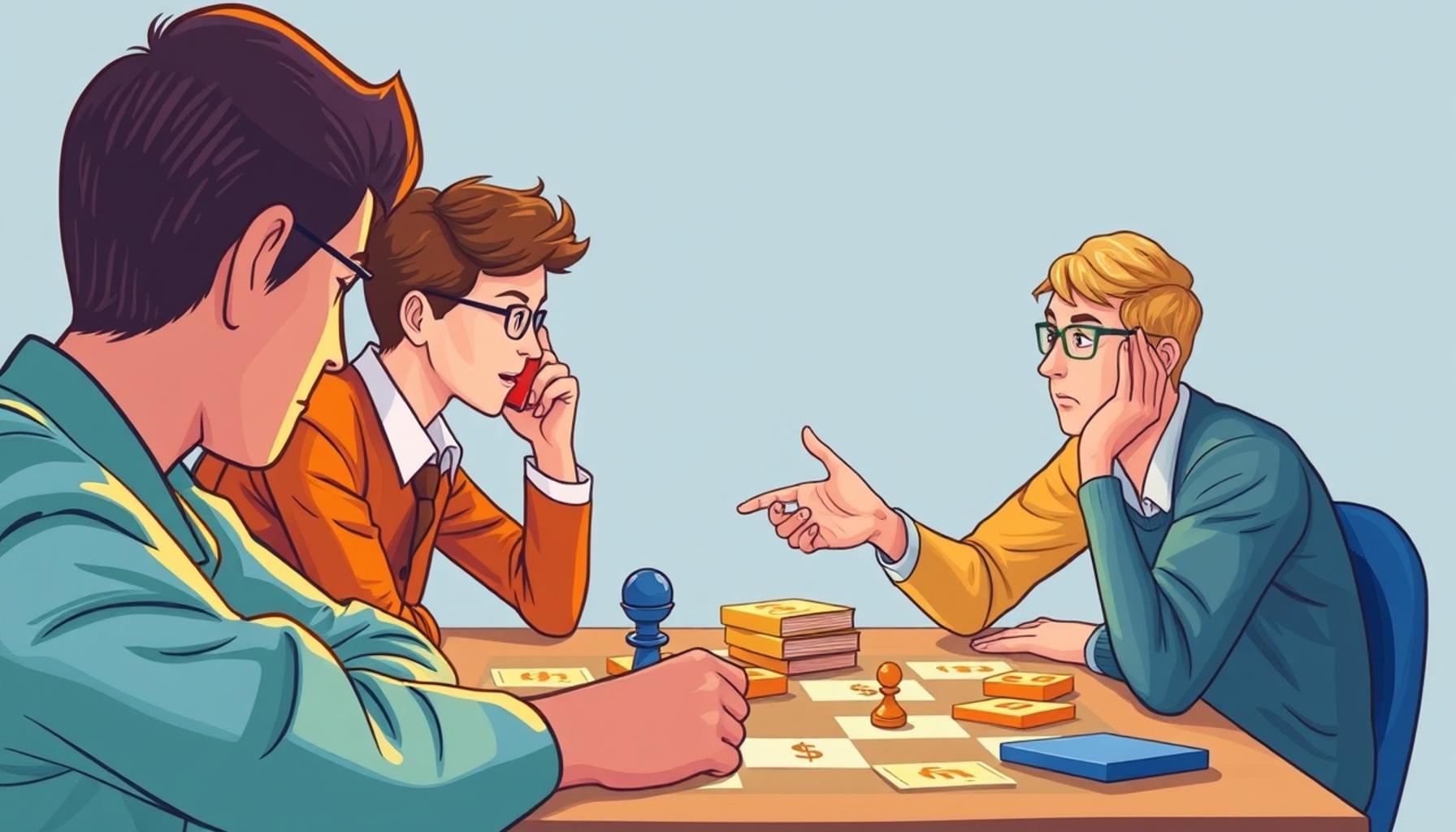
Group puzzles such as escape room challenges and team-based board games ignite the spirit of collaboration. These games encourage participants to communicate effectively, explore different perspectives, and make collective decisions. For instance, during community events or family gatherings, organizing a puzzle competition can turn into an engaging team-building exercise, promoting not just critical thinking but also teamwork skills—a valuable aspect in both personal and professional environments.
- Escape Rooms: These immersive experiences challenge participants to solve a series of puzzles under a time constraint, fostering quick thinking, effective communication, and teamwork.
- Board Games: Strategy-based games like chess or Monopoly encourage players to think several steps ahead, weighing potential outcomes. They also promote negotiation skills critical for social interactions.
- Collaborative Jigsaw Puzzles: Working on a large jigsaw puzzle with friends or family not only enhances spatial reasoning but creates an atmosphere of laughter and story-sharing—a perfect mix for cognitive enhancement and relationship building.
Puzzles and Cultural Integration
Incorporating puzzles into local customs can enrich cultural identity while also improving critical thinking. For example, in Nigeria, traditional games like ayo (a popular board game) not only serve as forms of entertainment but also require strategic thinking and foresight. By adapting such culturally significant games into puzzles, individuals can engage in cognitive development while celebrating their heritage.
Moreover, utilizing puzzles in educational settings can have profound effects on students’ learning experiences. Teachers in Nigerian classrooms can introduce word puzzles related to the local dialect or context, making learning more contextualized and relatable. This localized approach enables students to connect abstract concepts with their cultural realities, further enhancing their analytical thinking.
The Digital Age: Puzzles in Technology
As technology rapidly evolves, so do the methods through which we engage with puzzles. Numerous applications and online platforms offer a myriad of puzzle challenges ranging from trivia quizzes to problem-solving scenarios. These platforms not only provide flexibility for individuals to enhance their critical thinking skills but also encourage competition through leaderboards and group challenges.
The availability of mobile apps specifically designed for cognitive improvement, such as brain training games, allows users to integrate puzzle-solving into their daily routines seamlessly. In Nigeria, where smartphone penetration is increasing, these tools can introduce a new generation to the benefits of mental gymnastics, ensuring that cognitive development is accessible to a wider audience.
As we explore the multifaceted ways puzzles can enhance critical thinking through social interaction, cultural engagement, and technological innovation, it becomes evident that these seemingly simple activities can unlock vast cognitive potential. This journey into the world of puzzles encourages a deeper understanding of not just individual capabilities but also the power of shared experiences in fostering a critical mindset.
CHECK OUT: Click here to explore more
Conclusion: The Puzzle of Cognitive Enhancement
In conclusion, it is evident that puzzles serve as powerful tools for developing critical thinking skills across various dimensions of life. From enhancing social interaction through collaborative problem-solving to integrating cultural heritage into cognitive challenges, puzzles create an immersive environment that stimulates not just individual intellect but also collective synergy. The rise of technology further enriches this landscape, making cognitive improvement accessible and engaging through mobile applications and online platforms that showcase diverse puzzle challenges.
The implications of incorporating puzzles into daily routines, educational settings, and community activities are profound. By participating in group-based puzzle solving, as seen with traditional games like ayo, individuals in Nigeria can nurture their analytical abilities and strengthen interpersonal connections simultaneously. Furthermore, embracing this approach can encourage educators to foster critical thinking in their students by localizing puzzles, thereby bridging the gap between abstract knowledge and cultural context.
As we embrace the digital age, the opportunities related to cognitive enhancement through puzzles expand exponentially. The integration of brain training games into smartphones offers a modern approach to mental agility that resonates well with the youth. Thus, the journey of enhancing critical thinking skills through puzzles is not just an individual pursuit but a community endeavor, enriching Nigeria’s cultural tapestry while making significant strides in cognitive development.
Ultimately, engaging with puzzles is not simply about finding solutions; it is a dynamic pathway to unlocking potential, fostering creativity, and enhancing our collective ability to think critically in an ever-evolving world. So why not embark on this journey today? Dive into a puzzle and see how it transforms not only your thought processes but your social connections as well.

Beatriz
Beatriz Johnson is a seasoned puzzle enthusiast and writer with a passion for unraveling the complexities of mind games and brain teasers. With over a decade of experience in the world of puzzles, she specializes in topics like logic games, riddles, and strategic challenges. Through her work, Beatriz empowers readers to sharpen their problem-solving skills, think creatively, and stay engaged in the ever-evolving landscape of mind games and puzzles.