
Cognitive Training Through Educational Games: Strategies to Improve Mental Performance and Logic
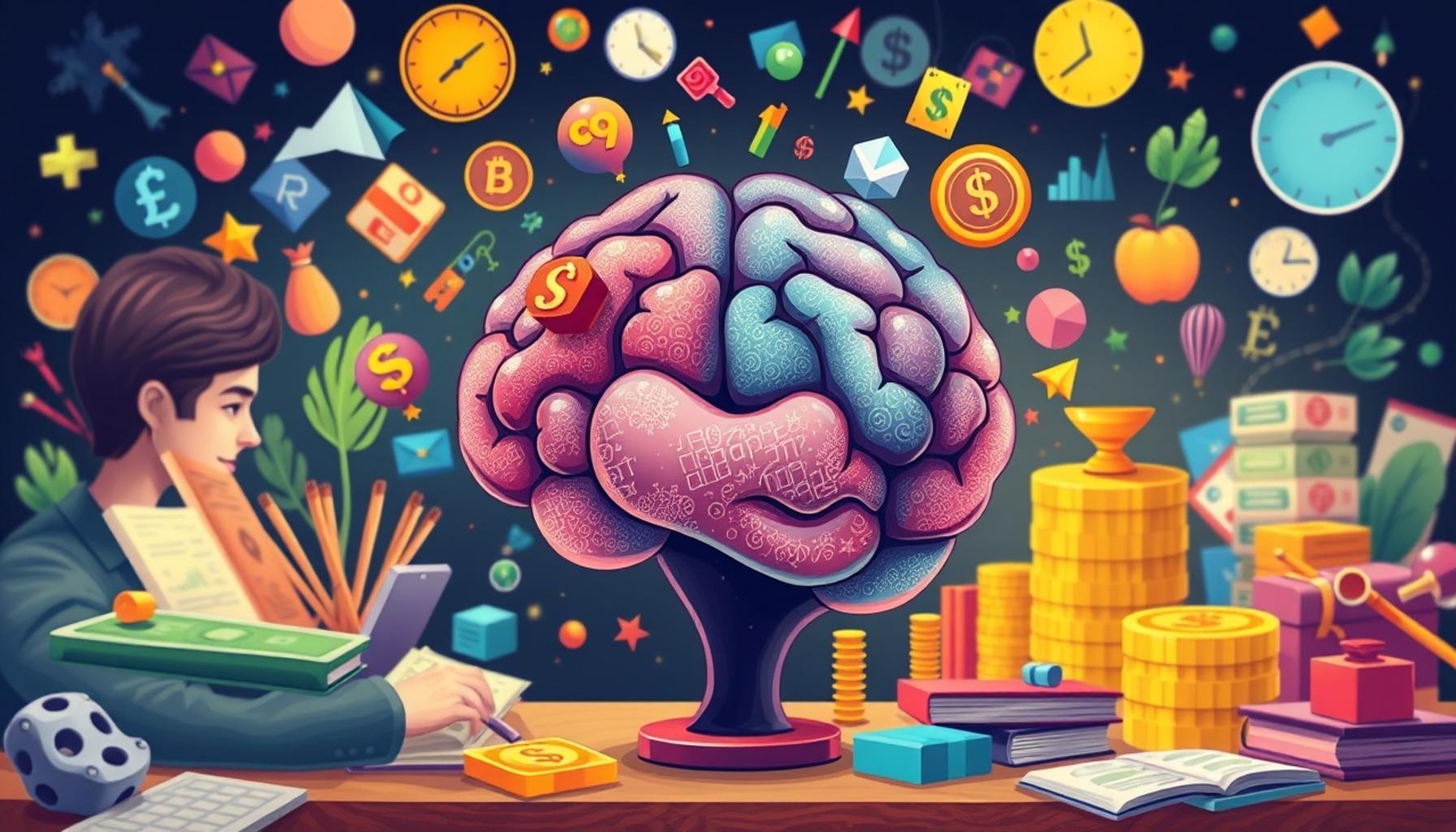
Cognitive Skill Development Through Interactive Gameplay
In today’s fast-paced environment, the ability to think critically and tackle challenges efficiently is becoming increasingly essential. Inherent in this shift is the opportunity for cognitive training via educational games, which not only make learning enjoyable but also play a crucial role in enhancing essential cognitive skills.
As technological advancements propel educational methodologies into new territories, countries like Nigeria are experiencing shifts in access to learning resources, making it vital to utilize innovative approaches. Incorporating games into cognitive training can harness the enthusiasm of younger generations and create accessible avenues for skill development. Consider the following benefits:
- Interactivity: Educational games promote engagement through hands-on problem-solving tasks, captivating players and keeping them involved longer than traditional learning methods.
- Diverse Formats: There is a wide range of educational games, from captivating puzzle games like Sudoku and crossword puzzles to intricate strategy simulations that require forward-thinking skills, ensuring that learners of all preferences find something appealing.
- Accessible Learning: With the proliferation of smartphones and personal computers, mobile-based games can easily reach students across Nigeria, providing them with valuable tools for cognitive growth at their fingertips.
These educational games can be tailored to address various age groups, fostering cognitive development holistically. For instance, games designed for younger children might incorporate basic math and logic challenges, while older youth could engage in more sophisticated reasoning games, such as chess or strategic planning simulations that require multi-step thinking.
This blend of entertainment and education reinforces the notion that it is not merely about playing; it is about enhancing mental performance and refining logical thinking skills that are essential for success in academics and beyond. For example, in Nigeria’s diverse educational landscape, learners can be exposed to locally inspired games that reflect cultural themes while still teaching vital problem-solving skills.
As we delve into further strategies to integrate cognitive training with playful learning, it becomes increasingly clear that embracing this approach may very well be the catalyst for nurturing sharper minds. By utilizing fun and interactive methods, we can transform the learning experience, empowering the next generation with the critical thinking skills necessary for navigating the complexities of the modern world.
ADDITIONAL INSIGHTS: Expand your understanding here
Unlocking the Potential of Educational Games for Cognitive Development
As the landscape of education continues to evolve, educational games have emerged as a powerful tool for cognitive training, particularly in regions like Nigeria where traditional learning resources can be limited. The integration of gaming into educational curriculums presents an engaging way to enhance mental performance and reinforce logical thinking. This innovative approach encourages students to tackle challenges while simultaneously developing critical cognitive skills needed for academic success and personalized growth.
The potential for cognitive training through games lies in their ability to provide stimulating environments where learners are motivated to think outside the box. By engaging in interactive scenarios, players can gain valuable experience addressing complex problems, which can subsequently enhance their analytical reasoning abilities. To understand the full impact of educational games on cognitive skill development, we can explore the various strategies game developers and educators can adopt for maximum effectiveness.
Strategies for Implementing Cognitive Training Games
1. Alignment with Learning Objectives: Designing educational games that correspond to specific learning outcomes can significantly bolster cognitive training. For instance, mathematics games can target fundamental skills like addition and subtraction while guiding players toward higher-level problem-solving. By aligning these games with national education standards, they can seamlessly complement traditional curriculums.
2. Progressive Challenges: Introducing levels of increasing difficulty is essential to maintaining a stimulating learning environment. When students face progressively challenging tasks, they are encouraged to stretch their mental capabilities while building confidence as they conquer each level. This method not only fosters a sense of achievement but also enhances the learner’s logical thinking and problem-solving skills.
3. Collaborative Gameplay: Incorporating elements of collaboration into educational games enables learners to work together in achieving goals. This teamwork aspect can develop social skills and enhance cognitive performance by encouraging players to share strategies and insights. For instance, local Nigerian games can leverage teamwork in simulations that reflect cultural settings, promoting both cognitive and social skills while engaging players through relatable content.
4. Immediate Feedback: Providing timely feedback during gameplay is an effective way to facilitate ongoing cognitive development. Players benefit most when they can immediately assess their mistakes and successes, allowing them to adapt their strategies for future challenges. This feedback loop enhances critical thinking, enabling learners to analyze their approaches and refine them accordingly.
5. Diversity of Content: The vast array of topics covered by educational games allows for broad cognitive training opportunities. From environmental science games to historical simulations, the diversity of content ensures that learners can connect personal interests with educational objectives. In Nigeria, this approach can be particularly effective in sparking creativity and encouraging students to explore various subjects beyond the conventional classroom setting.
By implementing these strategies, educational institutions and families alike can harness the power of cognitive training through educational games, paving the way for future generations to develop essential skills that will serve them well in their academic journeys and throughout their lives. As we continue to explore innovative approaches, it becomes evident that play is not just fun—it’s a vital component of effective learning.
| Advantage | Description |
|---|---|
| Enhanced Problem-Solving Skills | Educational games encourage players to think critically and tackle challenges through interactive scenarios, improving logical reasoning. |
| Increased Memory Retention | Games stimulate various cognitive functions, leading to better retention of information and enhanced general knowledge application. |
Exploring the landscape of cognitive training through games reveals an enriching world where individuals can sharpen their minds. With the advancement of technology, tools have emerged that seamlessly blend fun with education, creating a boon for learners of all ages. Strategies such as incorporating engaging narratives or challenging puzzles captivate users, keeping them motivated to improve their mental performance. It is important to note that the efficacy of these games is not just anecdotal; research consistently supports their positive impact on cognitive abilities. As individuals delve deeper into this realm, they uncover not only immediate benefits but also long-term advantages, such as improved academic performance and enhanced decision-making skills. This approach, unlocking the potential of interactive learning, is paving the way for innovative educational methodologies.
YOU MAY ALSO LIKE: Read read another article
Fostering Cognitive Skills Through Interactive Learning Experiences
As we delve deeper into the capabilities of educational games, it becomes clear that they are not only about passing time or engaging in leisure activities. They are dynamic tools that can fundamentally reshape educational landscapes, particularly in Nigeria, where the integration of technology and education is still burgeoning. The application of cognitive training through educational games opens new avenues for learners to enhance their mental acuity, problem-solving capabilities, and logical reasoning.
Engaging learners in environments where they actively participate in their education can spur incredible growth. A combination of immersive narratives, relatable characters, and relevant challenges captivates students’ attention, making learning more appealing. For instance, local developers can create games based on traditional tales or historical events specific to Nigeria, fostering cultural connection while honing cognitive abilities.
Innovative Gaming Formats for Cognitive Enhancement
Beyond traditional video games, there are various formats that can be harnessed to boost cognitive functions:
- Mobile Learning Apps: Given the widespread use of mobile devices in Nigeria, creating apps that incorporate educational games can provide flexible learning opportunities. These apps can offer quick cognitive exercises that fit easily into a student’s daily routine, promoting continuous growth.
- Augmented Reality (AR) Experiences: Leveraging AR in educational games can provide interactive learning experiences that blend the physical and digital worlds. Such games encourage critical thinking and intuition as students navigate real-world environments while solving challenges.
- Board and Card Games: While digital formats are highly popular, traditional board games can also serve as cognitive training tools. Games that require strategy and logical reasoning promote face-to-face interactions, essential for developing social skills. They allow players to engage in discussions, negotiate, and adapt tactics in real-time.
Additionally, case studies from various educational institutions in Nigeria highlight the successful incorporation of these innovative formats. Schools have reported improved engagement and participation rates when lessons are gamified, underscoring the power of interactivity in cognitive training.
Engagement Through Storytelling and Contextual Learning
Educational games that utilize storytelling not only captivate minds but also create a contextual learning experience. By embedding lessons within engaging narratives, students can relate more closely to the materials presented. For example, consider a game that takes students on an adventure through Nigeria’s diverse ecosystems, where they must solve environmental puzzles. This kind of context not only teaches critical scientific principles but also strengthens logical thinking through applied problem-solving.
Furthermore, developing games that resonate culturally with players can reinforce learning. By reflecting local customs, languages, and historical figures, game developers can create a deeper connection, encouraging students to utilize what they learn in real-world settings and fostering a sense of pride in their heritage.
Lastly, the role of teachers and facilitators in promoting the use of educational games cannot be overlooked. Training educators to effectively integrate these tools into their teaching methodology can maximize their potential. Teachers can help facilitate discussions around game experiences, allowing students to articulate their thought processes, enhancing both communication skills and cognitive awareness.
In conclusion, the myriad opportunities presented by educational games in cognitive training paint a promising picture for future learners. As innovative strategies take root in classrooms, the potential for improved mental performance and enhanced logical reasoning through interactive gaming is becoming increasingly more evident, proving that when learning meets play, the possibilities are virtually endless.
YOU MAY ALSO LIKE: Read read another article
Conclusion: The Future of Learning Through Play
In wrapping up our exploration of cognitive training through educational games, it is evident that these interactive tools hold transformative potential for enhancing mental performance and logical reasoning among learners, particularly in Nigeria. By integrating technology into traditional educational frameworks, we can unlock new pathways for students to engage deeply with content. Whether through mobile apps, augmented reality experiences, or even traditional board games, each format offers unique benefits that cater to diverse learning preferences.
The fusion of storytelling with education not only captivates learners but ensures that educational content is memorable and applicable to real-world scenarios. This approach reinforces critical thinking and enhances problem-solving skills, thereby preparing students not just for exams but for life’s various challenges.
Moreover, as educators embrace these innovative teaching methods, we see a growing opportunity for collaboration between game developers and educators. Local developers can craft culturally relevant games that resonate with students, fostering a sense of belonging and pride. Such initiatives can lead to a richer educational experience, driving engagement and success.
Ultimately, as we envision the future of education in Nigeria, it is crucial to advocate for the adoption of these novel strategies within schools. By bridging the gap between learning and play, we cultivate an enriching environment where cognitive skills thrive. Now more than ever, the integration of educational games into our educational systems is an invaluable step forward, paving the way for a generation equipped to think critically, reason effectively, and solve complex problems with ease.

Beatriz
Beatriz Johnson is a seasoned puzzle enthusiast and writer with a passion for unraveling the complexities of mind games and brain teasers. With over a decade of experience in the world of puzzles, she specializes in topics like logic games, riddles, and strategic challenges. Through her work, Beatriz empowers readers to sharpen their problem-solving skills, think creatively, and stay engaged in the ever-evolving landscape of mind games and puzzles.