How Trivia Games and Puzzles Stimulate Memory Improvement and Critical Thinking
The Cognitive Benefits of Trivia and Puzzles
Trivia games and puzzles are more than just entertaining pastimes; they serve as invaluable tools for memory improvement and enhancing critical thinking skills. Engaging in these activities not only provides enjoyment but also offers a robust workout for the brain, yielding substantial cognitive benefits that extend beyond the gaming environment.
- Memory enhancement: Trivia questions often challenge players to recall facts, figures, and anecdotes from a wide range of topics. This active recall process helps strengthen long-term memory by reinforcing neural connections. For instance, recalling the capital of Nigeria—Abuja—during a trivia game can lead to better retention and retrieval of geographical knowledge in the future.
- Improved problem-solving: Puzzles, whether they be crosswords or Sudoku, encourage logical reasoning and strategic planning. Engaging in these activities routinely allows players to hone their ability to break down complex problems into manageable parts. Consider the satisfaction of solving a challenging puzzle that seemed insurmountable at first glance.
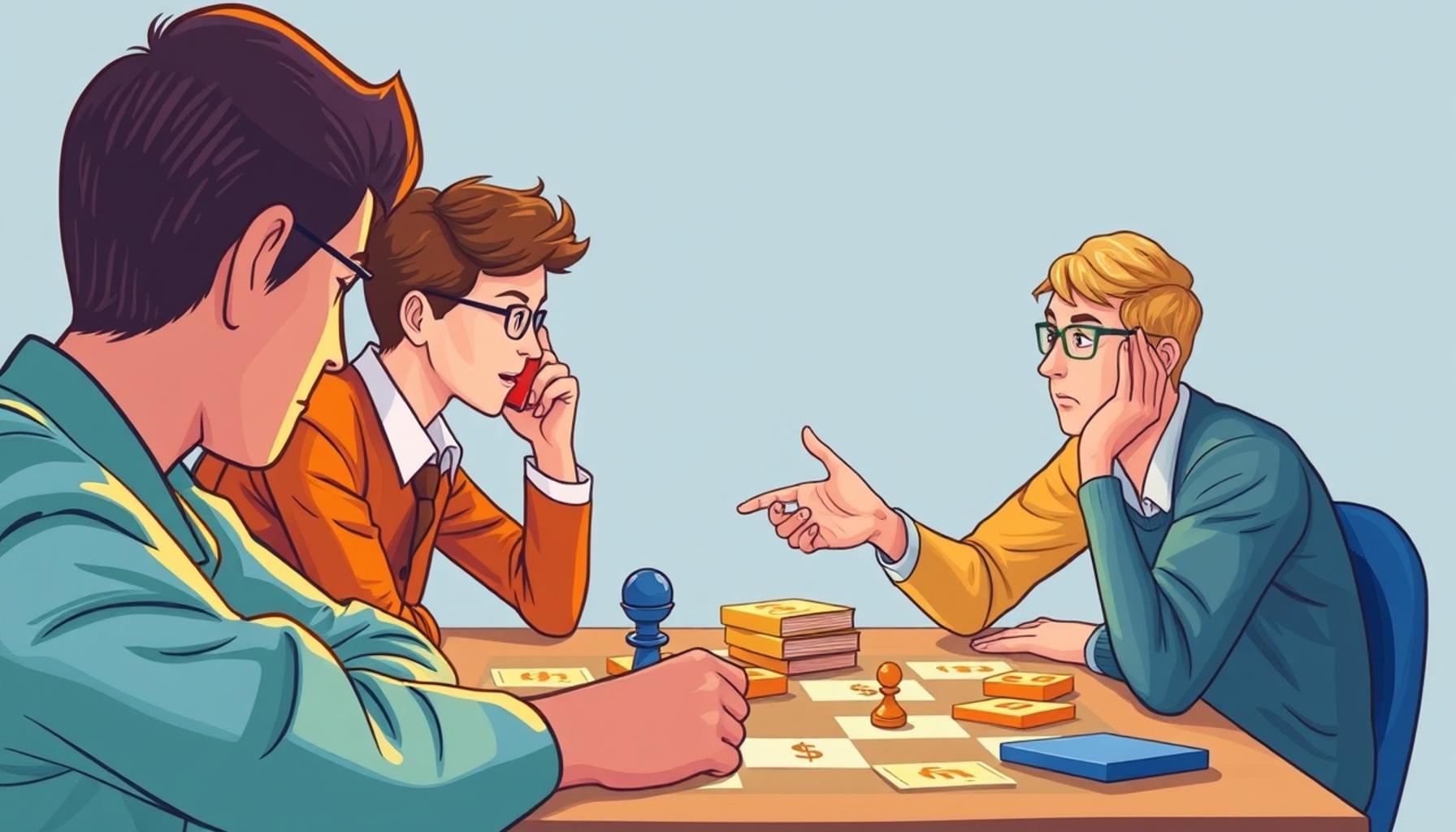
- Social interaction: Many trivia games promote teamwork, facilitating collaboration and communication. In Nigeria, for example, evenings spent at local bars participating in trivia nights foster camaraderie and build social bonds, allowing players to learn collectively while nurturing community spirit.
The popularity of trivia nights in various Nigerian cities reflects a unique cultural inclination towards knowledge-sharing and collective learning. From Lagos to Enugu, communities gather in bars and public spaces for these intellectually stimulating games. Here, it is not just entertainment; it is a celebration of knowledge and a way for individuals to connect through shared experiences.
Research indicates that regular engagement in trivia activities can lead to noticeable enhancements in cognitive abilities. Consider the myriad ways these games impact learning:
- Retention of information: Continuous exposure to varied topics encourages a deeper understanding. Players find themselves becoming generalists, acquiring knowledge about history, science, culture, and more, allowing for well-rounded conversations and insights.
- Critical analysis: Trivia games compel players to evaluate answers critically, fostering analytical thinking. Deciding whether a certain answer is correct often requires weighing in on multiple factors, such as contextual knowledge and deduction.
Exploring the dynamics of trivia and puzzles reveals their capacity to provide a mental challenge while enriching our understanding of the world. As we subscribe to these entertaining yet educational activities, we tap into a wellspring of opportunities for lifelong learning and cognitive agility. This phenomenon invites us to integrate more trivia and puzzle-solving into our daily lives, enriching our minds while enjoying the shared experience with others. So the next time you gather with friends or family, consider hosting a trivia night to unlock not just fun but also the latent potential of your minds.
YOU MAY ALSO LIKE: Read read another article
The Mechanisms Behind Cognitive Boosts
In understanding how trivia games and puzzles stimulate memory improvement and enhance critical thinking, we must delve into the underlying mechanisms that make these activities so effective. When individuals engage in trivia questions, they are not merely answering random queries; they are engaging in a cognitive rehearsal that reinforces memory pathways. The brain operates on the principle of neuroplasticity, which is its ability to reorganize itself by forming new neural connections. Trivia and puzzles capitalize on this principle by encouraging repeated retrieval of information, essential for solidifying knowledge.
For instance, when players tackle questions in a trivia game that reference a 1960s event or a famous scientist, they are not just recalling information; they are actively reconstructing their prior knowledge. This interaction does more than just test facts; it promotes the integration of new information with existing memories, thereby enhancing retention. In essence, trivia games act as cognitive exercises, fostering a deeper understanding of diverse subjects.
- Engagement of Multiple Cognitive Processes: Trivia and puzzle-solving require simultaneous activation of various cognitive functions. This includes memory retrieval, pattern recognition, and even deduction. For example, solving a jigsaw puzzle in which players must identify where each piece fits involves spatial reasoning—an ability that can translate to real-world problem-solving situations.
- Motivational Factors: The competitive nature of trivia games adds an element of motivation. Players are driven by the challenge to outperform their peers, which can lead to increased focus and enhanced cognitive engagement. This competitive aspect is prevalent in Nigerian trivia nights, where local customs often infuse games with a sense of pride and communal involvement.
- Building Knowledge Networks: Each trivia session allows players to create mental maps of information. As individuals encounter interconnected topics, they develop a network of knowledge that aids in future recall. The ability to relate different subjects enhances critical thinking, as players analyze how various concepts interconnect.
Moreover, puzzles contribute significantly to this cognitive enhancement journey. They often require one to think several steps ahead, thereby promoting foresight and planning. Such skills are applicable not only in gaming but also in daily decision-making. Being faced with a complex Sudoku puzzle, for instance, pushes players to strategize their moves, predicting outcomes based on current placements. This kind of thinking mirrors real-life scenarios, where weighing options and potential consequences are crucial to success.
As communities in Nigeria increasingly embrace trivia nights and puzzle challenges, the ripple effects of these engaging activities can be extensive. Not only do participants experience the joy of learning, but they simultaneously build critical skills that are beneficial in academic pursuits and professional environments. Through this lens, trivia games and puzzles emerge not merely as leisure activities but as valuable educational resources that fortify our cognitive capabilities.
Exploring the Cognitive Benefits of Trivia Games and Puzzles
When engaging with trivia games and puzzles, players often experience a remarkable enhancement in their cognitive abilities. Through stimulating activities that challenge the brain, players are not only entertained but also develop critical thinking skills essential for problem-solving and decision-making in everyday life.
Participating in challenging quizzes requires individuals to retrieve data from memory, fostering long-term retention. This is particularly valuable in an age where information overload can lead to forgetfulness. By regularly engaging with trivia, players enhance their ability to remember facts, improving their overall memory capacity.
Moreover, the strategic thinking involved in solving puzzles demands a level of analysis that encourages the brain to think outside the box. This creative mental exercise is paramount in improving critical thinking skills, as players learn to evaluate multiple answers and make connections that may not be immediately apparent.
In addition to memory and critical thinking, solving these types of activities can increase mental flexibility and resilience. When faced with difficult questions or intricate puzzles, players must adapt their thinking to find solutions, teaching them valuable lessons in perseverance.
| Advantages of Trivia Games | Benefits for Mental Skills |
|---|---|
| Enhanced Memory Retention | Improves recall and data retrieval abilities. |
| Boost in Critical Thinking | Encourages analysis and decision-making skills. |
Ultimately, incorporating trivia games and puzzles into one’s routine serves as an enjoyable method to stimulate brain activity, leading to significant cognitive benefits that extend far beyond mere entertainment. The blend of fun and challenge makes these activities an appealing choice for those looking to enhance their mental prowess.
ADDITIONAL INSIGHTS: Expand your understanding here
The Impact of Trivia Games and Puzzles on Cognitive Resilience
Beyond the immediate engagement that trivia games and puzzles offer, their long-term benefits on memory improvement and critical thinking are substantial. Engaging in these activities can lead to enhanced cognitive resilience—defined as the brain’s capacity to adapt and recover from challenges. This adaptability is particularly relevant in a rapidly changing world where information overload can sometimes overwhelm our cognitive systems. By regularly participating in trivia and puzzle-solving, individuals develop mental flexibility, enabling them to adjust their thoughts and strategies with ease.
A study conducted by the American Psychological Association emphasizes the correlation between such mentally stimulating activities and a reduced risk of cognitive decline in older adults. This finding is particularly relevant in Nigeria, where communities often gather for group trivia challenges and competitions that span generations. Through these events, younger participants learn from their elders, creating a shared environment that not only boosts memory retention but also fosters community bonding. The reciprocal nature of knowledge exchange during these activities underscores their significance as tools for maintaining mental sharpness across age groups.
- Enhanced Problem-Solving Skills: Puzzles, particularly logic-based ones like crosswords and Sudoku, require players to identify patterns and devise strategies. This skill translates into improved problem-solving abilities in everyday situations, from making decisions at work to navigating interpersonal conflicts. By practicing these skills in a low-stakes environment, players become more adept at handling real-life challenges with confidence.
- Cultural Relevance and Knowledge Expansion: Trivia often incorporates culturally relevant questions that spark curiosity about history, traditions, and local customs. For instance, questions about notable Nigerian figures, festivals, or landmark events inspire players to delve deeper into their heritage. This engagement not only solidifies memory but also enhances cultural literacy—an essential component of critical thinking in a globalized world.
- Social Interaction and Emotional Well-Being: The social aspect of trivia games cannot be overlooked. As participants collaborate or compete, they engage in healthy interactions that alleviate stress and foster a sense of community connection. This social stimulation has been shown to improve mood and, consequently, cognitive function. In the vibrant atmosphere of Nigerian trivia nights, the joy of communal learning enhances an individual’s motivation, leading to better performance in both trivia and daily tasks.
Furthermore, integrating technology into these activities has become increasingly prevalent. Mobile trivia apps and online puzzle platforms are reshaping how individuals access and engage with cognitive challenges. These digital formats facilitate continuous learning, enabling users to practice anytime and anywhere. Particularly in urban centers like Lagos and Abuja, where busy lifestyles may limit traditional social interactions, mobile games allow for flexibility while still harnessing the cognitive benefits derived from trivia and puzzles.
As interest in these cognitive exercises grows in Nigeria, community-driven initiatives arise that promote mental health through group activities. Organizations often host community trivia competitions, adding an educational twist to the classic quiz nights. Such initiatives highlight the dual advantage of trivia and puzzles: they serve not only as entertainment but also as a pathway to lifelong learning and enhanced cognitive skills.
ADDITIONAL INSIGHTS: Expand your understanding here
Conclusion: Unleashing the Power of Trivia and Puzzles for Cognitive Growth
In conclusion, the benefits of trivia games and puzzles extend far beyond mere entertainment—they are catalysts for memory improvement and critical thinking. By engaging regularly in these mentally stimulating activities, individuals not only empower their cognitive abilities but also strengthen their mental resilience. This is especially pertinent in a fast-paced world, where our capacity to adapt and recover from information overload is vital for maintaining clarity and focus.
The interconnectedness fostered within communities during trivia competitions highlights a unique cultural aspect, where knowledge is shared, and bonds are formed across generations. As younger participants absorb wisdom from elders, they enrich their own cognitive toolkit while celebrating their heritage. These collaborative experiences are essential for nurturing a sense of belonging and well-being, demonstrating how social interaction significantly augments cognitive function.
Furthermore, the integration of technology into trivia and puzzle play has revolutionized access to these cognitive exercises. With mobile applications and online platforms, individuals can challenge their wits at any time, accommodating the busy urban lifestyles prevalent in cities like Lagos and Abuja. These innovations promote continuous learning and foster a culture of mental enthusiasm that transcends traditional boundaries.
As Nigeria embraces the resurgence of trivia games and puzzles, local organizations continue to champion these cognitive endeavors, enriching the educational landscape and inspiring a lifelong pursuit of knowledge. As we encourage participation in such activities, we not only invest in our individual cognitive futures but also contribute to a thriving community where critical thinking and memory skills flourish. So, let us embrace the joys of trivia and puzzles—not just as pastimes, but as fundamental tools for cognitive enhancement.

Beatriz
Beatriz Johnson is a seasoned puzzle enthusiast and writer with a passion for unraveling the complexities of mind games and brain teasers. With over a decade of experience in the world of puzzles, she specializes in topics like logic games, riddles, and strategic challenges. Through her work, Beatriz empowers readers to sharpen their problem-solving skills, think creatively, and stay engaged in the ever-evolving landscape of mind games and puzzles.