The Importance of Strategy Games for Memory Training and Mental Performance
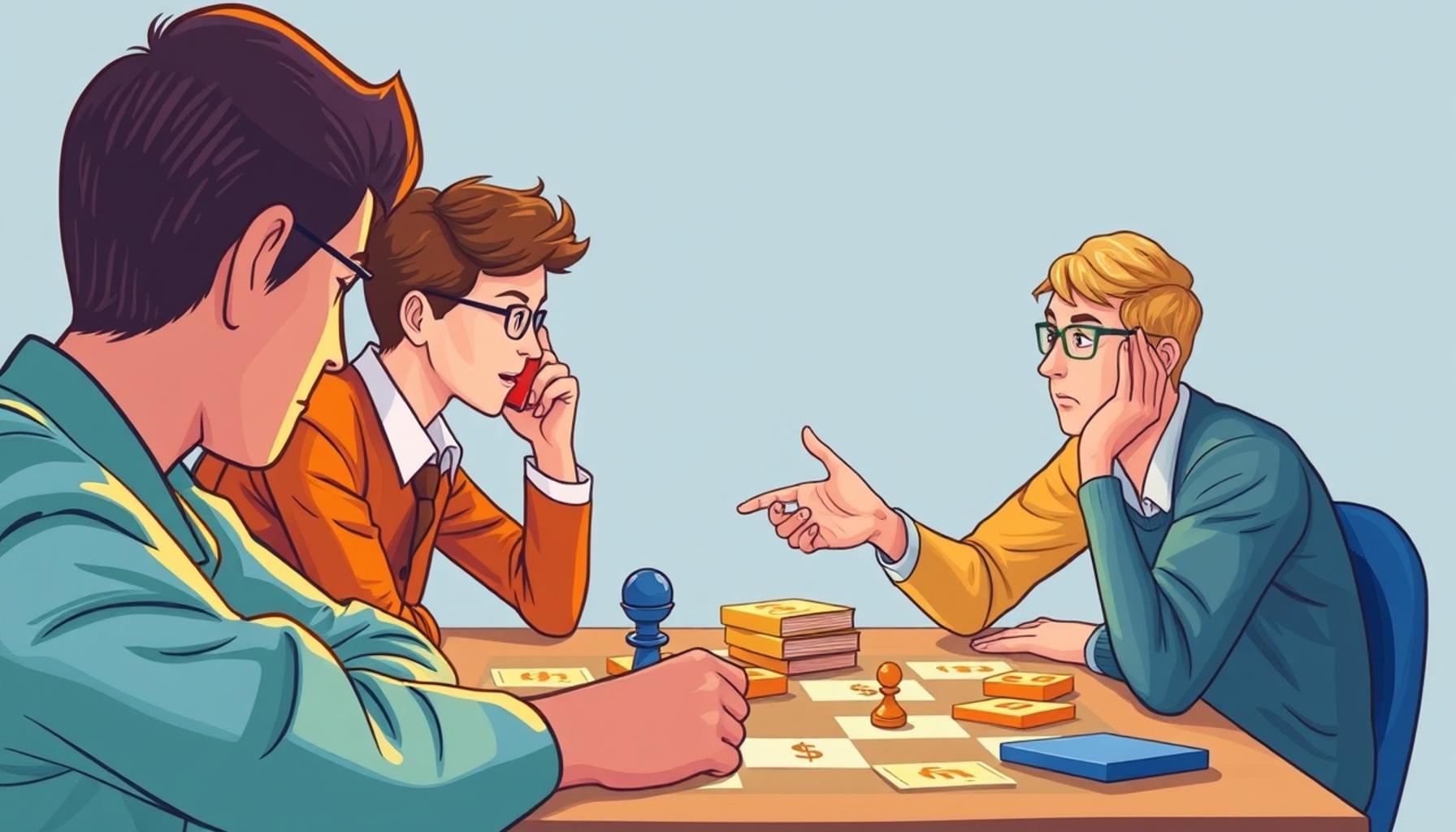
The Cognitive Benefits of Strategy Games
In today’s fast-paced world, enhancing memory training and mental performance is more crucial than ever. As technology advances, so do the ways we can sharpen our cognitive skills. One of the most engaging methods to boost mental agility is through strategy games. These games not only entertain but also serve as mental workouts that challenge players to think critically, plan ahead, and adapt to dynamic situations.
Strategy games can take various forms, from traditional board games to modern video games. The format may differ, but the underlying benefits remain remarkably consistent. Here are some of the key advantages that come with playing strategy games:
- Improving memory retention – Players must remember important details such as game rules, tactics, and their opponents’ strategies. This process of memorization aids in reinforcing neural connections, which are essential for overall cognitive health.
- Enhancing problem-solving skills – Success in strategy games often requires innovative solutions to complex challenges. Players must navigate obstacles and devise strategies that can outsmart their opponents, honing their analytical skills along the way.
- Encouraging focus and concentration – The immersive nature of these games demands sustained attention. The requirement to remain alert can improve one’s ability to concentrate, an increasingly valuable skill in today’s distraction-heavy environment.
In Nigeria, both traditional board games and contemporary video games have been significant in fostering social interactions. Classic games like Ludo and Chess have deep-rooted popularity and serve not only as recreational pastimes but also as tools to sharpen mental faculties. During family gatherings or community events, these games often act as catalysts for bonding and conversation, all while users sharpen their cognitive skills without even realizing it.
Research indicates that strategy games stimulate various cognitive functions, benefiting players of all ages. For instance, a study by the University of Chicago found that engaging in strategic gameplay can enhance cognitive flexibility and improve the capacity to multitask—skills especially beneficial for older adults aiming to maintain mental acuity as they age.
The question remains: how can strategy games elevate your cognitive capabilities? By participating in these games regularly, individuals not only experience enjoyment but also engage in exercises that fortify critical thinking, deepen memory capabilities, and increase overall mental resilience. As more people recognize these benefits, we may see a notable shift in how such games are integrated into educational curricula and social practices across Nigeria.
As we navigate our everyday lives, embracing these cognitive challenges can profoundly impact our mental health and cognitive abilities, shedding light on the broader implications of strategy games within our culture and beyond.
SEE ALSO: Click here to read another article
How Strategy Games Influence Cognitive Development
Those who engage in strategy games often find themselves immersed in a world where every move counts and each decision can lead to success or failure. This type of gameplay offers more than just a way to pass the time; it serves as a powerful tool for enhancing cognitive development, directly impacting memory training and overall mental performance. As players navigate intricate game mechanics, they develop essential skills that extend beyond the gaming environment.
The integration of strategy games in daily routines can refine various aspects of cognitive function, from memory enhancement to improved logical reasoning. Here are some specific ways these games bolster mental acuity:
- Memory enhancement: Strategy games require players to constantly recall critical information. For instance, one must remember opponents’ previous moves and counter-strategies, which reinforces memory pathways. Over time, regular play can result in improved recall abilities in everyday situations.
- Strategic planning and foresight: These games often necessitate long-term planning. Players must assess potential outcomes based on their current decisions, reinforcing their ability to think several steps ahead—an essential skill that translates well to real-life problem-solving.
- Increased adaptability: The unpredictable nature of many strategy games, such as computer simulations or traditional games like Chess, forces players to adapt their strategies in real-time. This dynamic allows players to develop quick thinking and flexibility, attributes that are increasingly vital in a world characterized by rapid change.
- Emotional control: Engaging with competitive strategy games can foster emotional resilience. As players face wins and defeats, they learn how to manage anxiety and stress, making them better equipped to handle pressure in various aspects of life.
In Nigeria, the cultural nexus of strategy games spans generations, with games like Checkers and Ludo being played in homes, streets, and community gatherings. Their popularity is not just for recreational purposes; these games promote cognitive skills and foster social interactions among players. Families often invest quality time in these games, inadvertently creating an environment where collective memory training and skill enhancement thrive.
Considering the wealth of research supporting the cognitive benefits of strategy games, the link between engagement in such activities and enhanced mental performance is becoming increasingly clear. Studies conducted in various educational settings suggest that students who participate in strategic gameplay show marked improvements in areas such as comprehension, critical thinking, and teamwork, ultimately influencing their academic success.
The impact of strategy games isn’t limited to childhood or adolescence; adults, too, stand to gain significantly. Research from various institutions indicates that adults who frequently engage in strategy games exhibit sharper cognitive flexibility, improved decision-making skills, and greater resilience against cognitive decline as they age. This finding is particularly pertinent in a rapidly evolving digital age where mental sharpness is paramount.
In conclusion, incorporating strategy games into our daily lives can play a fundamental role in memory training and enhancing mental performance. The myriad of cognitive benefits they offer provides a compelling reason to embrace these engaging forms of entertainment, ensuring that we are not only entertained but also continually challenged and stimulated.
As we delve deeper into the importance of strategy games for memory training and mental performance, it becomes evident that these games are not just a source of entertainment but are also potent tools for cognitive development. They challenge the mind in various ways, improving not just memory, but also critical thinking and problem-solving skills.
One of the standout benefits of engaging in strategy games is their ability to enhance working memory. Players are often required to remember complex rules, previous moves, and potential future outcomes of their actions, all of which exercise the brain’s capacity to hold and manipulate information. This kind of mental exertion can lead to improvements in daily cognitive tasks, making ordinary activities feel less daunting.
Moreover, strategy games typically necessitate adaptability. Players must adjust their tactics in response to changing circumstances, simulating real-life challenges where flexibility is key to success. This adaptability encourages the brain to remain agile, which is vital for maintaining mental health as we age. Research suggests that engaging in regular cognitive exercise, such as playing strategy games, can delay the onset of cognitive decline.
Another crucial aspect of these games is their role in enhancing decision-making skills. The need to evaluate various options, anticipate opponents’ strategies, and execute plans effectively trains individuals to think critically under pressure. Such skills are transferable to real-life scenarios, be it in the workplace or personal relationships, where informed and swift decision-making is essential.
In essence, the world of strategy games is a multifaceted domain that provides extensive benefits for mental performance and memory enhancement. By actively participating in these games, individuals not only enjoy themselves but also invest in their mental faculties, paving the way for a sharper, more effective mind.
| Category | Description |
|---|---|
| Cognitive Agility | Enhances brain’s adaptability to changes and challenges. |
| Memory Enhancement | Improves working memory through complex rules and strategies. |
As we continue to explore the realm of strategy games, we uncover a wealth of opportunities for enhancing memory and cognitive function, making it an essential practice for individuals of all ages seeking to boost their mental prowess.
RECOMMENDED: Check out this similar article
The Social and Collaborative Elements of Strategy Games
Beyond the individual cognitive benefits, strategy games also excel in fostering social interactions and collaborative problem-solving skills, making them a perfect conduit for community engagement and teamwork. In Nigerian culture, where communal living and collective experiences are highly valued, the integration of strategy gaming provides a unique platform for enhancing both personal and interpersonal functionalities.
Collaborative gameplay often necessitates communication and negotiation, as players must occasionally team up or engage in alliances to outmaneuver opponents. This not only sharpens their ability to articulate thoughts and ideas but also encourages active listening and empathy toward others’ strategies. Games like Monopoly or team-based strategy games found in local settings elevate the social aspect, offering a sense of camaraderie while also training players to think collectively. In communities across Nigeria, these interactions often lead to stronger social networks, improving cooperation and relationship-building skills within families and among friends.
Moreover, the rise of online strategy games has expanded this collaborative dynamic. With the advent of platforms allowing players worldwide to interact, the benefits of strategy gaming extend even further. Gamers in Nigeria can connect with peers from diverse backgrounds, nurturing a global perspective and cultural understanding. This exposure reveals not only different strategic thinking patterns but also teaches adaptability to various gameplay styles, which is invaluable in today’s increasingly interconnected world.
Another significant aspect to consider is the role of strategy games in educational contexts. Many educators and schools in Nigeria are beginning to recognize the potential of these games as tools for learning. By incorporating strategy games into the curriculum, instructors can bolster traditional learning methods with engaging activities that cultivate critical thinking and improve academic performance. For instance, educators can utilize games like Risk to teach geography and history, allowing students to learn through strategic engagement rather than rote memorization. This gamified approach has been shown to sustain student interest and motivation, leading to significant improvements in both memory retention and understanding of complex concepts.
Furthermore, the impact of strategy games transcends mere problem-solving and critical thinking; they also inspire creativity. Players are often tasked with devising innovative strategies, which cultivates creative thinking skills. The need to think “outside the box” and explore unconventional approaches to win can inspire individuals to apply the same principles in real-world scenarios, whether in business or personal life. In Nigeria, where entrepreneurship is on the rise, the creative strategies developed through gameplay can empower future leaders to develop groundbreaking solutions in various industries.
In light of this social and educational potential, it becomes evident that the importance of strategy games extends far beyond entertainment. Their ability to train memory, enhance mental performance, and build social connections within a community reinforces why they should be embraced not only for their cognitive benefits but as a vital element of cultural engagement and personal growth.
LEARN MORE: This related article may interest you
Conclusion: Embracing Strategy Games for a Brighter Future
As we’ve seen throughout this article, strategy games offer a multifaceted approach to enhancing our cognitive abilities, particularly in memory training and overall mental performance. Their unique combination of problem-solving, creativity, and social interaction makes them not only a valuable leisure activity but a powerful tool for personal development.
The benefits of engaging in strategy games go beyond individual growth. They foster collaborative skills and improve interpersonal relationships within communities. In a nation like Nigeria, where collective cultural values prevail, these games weave a rich tapestry of social engagement, bringing people together across generational and cultural divides. Educators are beginning to harness this potential, incorporating strategy games into the curriculum to ignite students’ interests and facilitate dynamic learning experiences. The implications for academic improvement, especially in critical thinking and memory retention, are profound.
Moreover, in today’s globally connected world, online strategy games amplify these benefits, allowing Nigerian players to engage with diverse perspectives and adapt strategies from around the world. This exposure nurtures a culture of adaptability and innovation, crucial for success in an ever-evolving professional landscape.
In conclusion, the importance of strategy games resonates on multiple levels, making them essential for individual growth and community engagement. By embracing these games as tools for memory enhancement and mental agility, we not only entertain ourselves but also lay the groundwork for personal and collective advancement. Thus, it’s time to elevate the status of strategy games in our society and recognize their vast potential in shaping a more educated, innovative, and interconnected world.

Beatriz
Beatriz Johnson is a seasoned puzzle enthusiast and writer with a passion for unraveling the complexities of mind games and brain teasers. With over a decade of experience in the world of puzzles, she specializes in topics like logic games, riddles, and strategic challenges. Through her work, Beatriz empowers readers to sharpen their problem-solving skills, think creatively, and stay engaged in the ever-evolving landscape of mind games and puzzles.