Challenging the Mind: How Puzzles and Logic Games Improve Problem-Solving Skills
Cognitive Development Through Play
Every day presents us with challenges, big or small. The ability to navigate these obstacles effectively hinges on our problem-solving skills. One innovative way to sharpen these skills is through puzzles and logic games. By engaging in these mentally stimulating activities, individuals can unlock their full cognitive potential while enjoying the process.
The benefits of puzzles and logic games are multifaceted and significant. For instance, engaging in these activities can enhance cognitive development by challenging the brain. Such games stimulate critical thinking and analytical skills, allowing players to evaluate situations more effectively and make informed decisions. A classic example is Sudoku, where players must fill a grid with numbers in a way that no row, column, or region contains the same digit. This puzzle encourages you to think ahead and strategize your moves carefully.
Additionally, these activities can lead to memory improvement. Research indicates that regularly solving puzzles can boost both short-term and long-term memory retention. For instance, playing memory card games involves recalling the locations of pairs, which sharpens memory skills and enhances your ability to retain information over time. The more one practices, the better their recall abilities become, which is particularly beneficial in everyday life, whether it be remembering appointments or studying for exams.
Moreover, puzzles and logic games serve as excellent tools for stress relief. Engaging in a fun distraction can alleviate anxiety and serve as a mental escape from daily pressures. For instance, working on a challenging crossword puzzle may immerse you completely, prompting you to focus on clues rather than external stressors. This distraction can lead to a rejuvenating mental break, promoting overall well-being.
In Nigeria, traditional games like ayo, a mancala-style board game, and modern crossword puzzles are gaining popularity, fostering a culture of mental agility. Ayo is not only fun but also promotes strategic thinking and patience as players must outsmart each other. Such games not only entertain but also build resilience in the face of challenges, teaching valuable lessons about winning and losing gracefully.
As we delve into the fascinating world of puzzles and logic games, it becomes clear that they serve as essential tools for enhancing problem-solving abilities. With the right strategies and consistent practice, these activities can significantly transform our approach to everyday problems. By incorporating puzzles into your routine, you can effectively prepare your mind to tackle life’s challenges with confidence and skill.
SEE ALSO: Click here to read another article
Unlocking Critical Thinking Skills
Puzzles and logic games are more than mere entertainment; they are powerful tools for developing critical thinking abilities that are essential in problem-solving. As individuals immerse themselves in these activities, they engage a variety of cognitive processes that teach them how to approach complex issues with clarity and efficiency. By analyzing patterns, deducing information, and drawing logical conclusions, players cultivate a mindset that can be applied across numerous real-world scenarios.
A particularly engaging aspect of puzzles is that they come in various forms, each targeting different cognitive skills. For example, jigsaw puzzles challenge spatial reasoning and memory, while word puzzles enhance verbal skills and vocabulary. By diversifying the types of puzzles one engages with, individuals can create a well-rounded mental toolkit. Here are some popular types of puzzles and the skills they improve:
- Sudoku: Enhances logical reasoning and numerical skills by requiring players to solve for missing values through elimination and pattern recognition.
- Crossword puzzles: Boosts vocabulary and verbal fluency while promoting lateral thinking as players must think of words that fit both meaning and letter constraints.
- Logic grid puzzles: Develops deductive reasoning as players use clues to eliminate possibilities and arrive at the solution.
- Brain teasers: Stimulates creative thinking and problem-solving adaptability by presenting unconventional challenges that require innovative solutions.
Furthermore, puzzles can significantly contribute to an individual’s ability to work under pressure. Many logic games are timed or have elements that create a need for quick thinking. This urgency fosters an environment where players must work swiftly and accurately, honing their ability to make timely decisions in real-life situations. In fast-paced professions, this skill is invaluable, as being able to analyze situations promptly can lead to better job performance and successful outcomes.
Research illustrates that consistent engagement with puzzles can lead to increased cognitive agility. A study published in the journal Trends in Cognitive Sciences found that individuals who regularly participated in mentally demanding games demonstrated improved fluid intelligence, which is the capacity to solve novel problems and adapt to new situations. By prioritizing playful activities that challenge the mind, individuals can enjoy a dual benefit: they entertain themselves while preparing for the unpredictability of everyday life.
In Nigeria, the growing popularity of mobile puzzle apps and board games has created an entertaining avenue for both youth and adults. Many are discovering that playing these games together not only improves individual skills but also fosters a sense of community. Regardless of age or background, engaging in puzzles can build connections, as players share strategies and celebrate successes. Thus, riddles and logic games transcend cultural barriers, becoming a universal language of intellect and fun.
Ultimately, incorporating puzzles and logic games into one’s daily routine is an investment in cognitive health. The benefits of enhanced problem-solving abilities translate not only to personal growth but also to professional success, making it essential for individuals in all walks of life to challenge their minds with these engaging activities.
Challenging the Mind: How Puzzles and Logic Games Improve Problem-Solving Skills
Engaging with puzzles and logic games does not merely serve as a source of entertainment; it actively fosters cognitive growth and enhances problem-solving abilities. The increasing complexity of these activities compels players to think critically and develop strategies, which are invaluable skills in everyday situations.
| Category 1 | Category 2 |
|---|---|
| Type of Logic Game | Problem-Solving Techniques |
| Crossword Puzzles | Enhances vocabulary and conceptual connections. |
| Chess | Improves strategic thinking and foresight. |
| Sudoku | Fosters logical reasoning and number skills. |
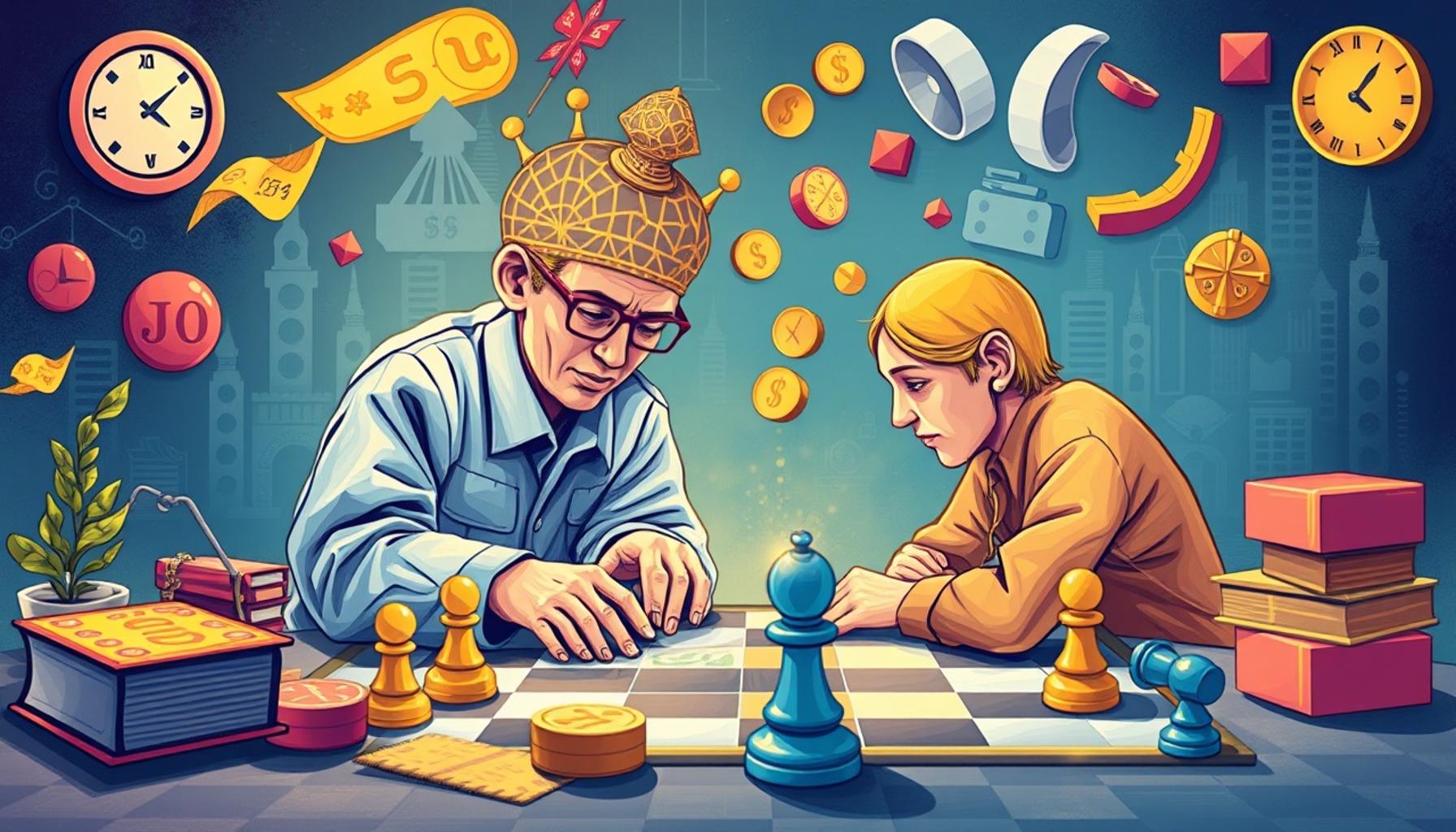
These various types of puzzles not only sharpen critical thinking but also create opportunities for individuals to learn from failures. For instance, chess players often analyze games to understand where they went wrong, fostering a growth-oriented mindset. Regularly engaging in these challenging activities encourages a sense of persistence, as solving complex puzzles typically requires repeated attempts and recalibration of strategies.
Moreover, the social aspect of many logic games, like playing board games or participating in puzzle tournaments, introduces a collaborative layer that enhances communication skills and teamwork. Players must articulate strategies, negotiate tactics, and sometimes even mentor fellow participants, which further enriches the learning experience.
As the allure of mastering puzzles and games grows, so does the realization of their profound impact on our mental resilience and problem-solving efficacy. Exploring various games and engaging regularly can transform the perception of mental challenges into thrilling adventures of discovery.
ADDITIONAL INSIGHTS: Expand your understanding here
Fostering Resilience and Adaptability
Another significant aspect of puzzles and logic games is their ability to foster resilience and adaptability in problem-solving. These activities often present challenges that require players to overcome obstacles and rethink their strategies when faced with setbacks. Engaging with challenging puzzles teaches individuals that failure is not only a part of the learning process but also an opportunity for growth. This perspective is especially crucial in today’s rapidly changing world, where adaptability is key to thriving in both personal and professional environments.
In Nigeria, the emphasis on education and skill acquisition is vital for youth entering the job market. By integrating puzzles and logic games into educational curricula, teachers can equip students with the resilience to tackle unforeseen problems. For instance, introducing games like chess in schools has been found to enhance strategic thinking and improves students’ ability to adapt to different scenarios. According to the Nigerian Educational Research and Development Council (NERDC), such initiatives aim to develop critical lifelong skills that will prepare students for global competitiveness.
Moreover, the digitalization of puzzles through mobile applications allows for a more interactive and accessible learning experience. Many apps are designed to promote cooperative gameplay, encouraging players to work together and share insights as they solve problems. This collaboration builds a support network among peers, reinforcing the idea that solutions can often emerge from collective effort. The *Frog Puzzle* and *Nigerian Puzzle* apps are examples of tools that not only offer entertainment but also highlight how teamwork can lead to enhanced problem-solving and communication skills.
The benefits of puzzles extend beyond the immediate cognitive development they provide; they also contribute to emotional intelligence. Engaging in logic games helps individuals manage stress levels as they learn to approach problems with a calm and calculated mindset. For example, practicing mindfulness techniques while solving complex riddles offers players a way to navigate their emotional responses to failure. Studies, including those published in the journal Psychological Science, reveal that individuals who participate in self-regulating activities like puzzles often exhibit improved emotional control, which is vital in high-pressure situations.
Puzzles and logic games serve as excellent tools for developing empathy as well. As players engage in collaborative problem-solving activities, they learn to appreciate diverse perspectives and the value of others’ experiences. This sense of empathy is crucial, particularly in a multicultural landscape like Nigeria, where understanding and respecting differences foster more harmonious communities. Games that require negotiation and strategy, such as *Truth or Dare* or *Charades*, can help cultivate interpersonal skills and emotional connections crucial for effective teamwork.
Incorporating puzzles into everyday life can also be seen as a proactive approach to mental health. Researchers have noted that engaging in stimulating mental activities reduces the risk of cognitive decline and enhances overall well-being. For the Nigerian population, where mental health awareness is gradually improving, the growing trend of forming puzzle clubs and participating in national puzzle challenges reflects a collective commitment to mental fitness. These gatherings not only uplift spirits but also create spaces for dialogue about mental health, illustrating how puzzles transcend mere entertainment.
In summary, the multifaceted benefits of puzzles and logic games go beyond traditional cognitive skills. They inherently encourage resilience, adaptability, emotional intelligence, and empathy. As more people in Nigeria recognize these advantages, the trend towards integrating puzzles into various aspects of life—be it through education, mobile apps, or community games—will likely continue to grow, equipping individuals with the tools they need to succeed in an ever-changing world.
YOU MAY ALSO LIKE: Read read another article
Conclusion
In an era where fostering critical thinking and adaptability is paramount, puzzles and logic games stand out as invaluable tools for enhancing problem-solving skills. Their engaging nature not only challenges the mind but also cultivates a resilient and adaptable approach to obstacles, encouraging individuals to view setbacks as stepping stones to success. The integration of these activities into educational curricula holds significant promise, particularly in Nigeria, where the youth are preparing to face a fiercely competitive job market. By promoting the use of strategy games like chess and user-friendly mobile apps, educators can create an environment that nurtures creativity and collaborative problem-solving.
Moreover, the emotional benefits derived from these mental exercises cannot be overlooked. The practice of engaging with puzzles contributes to better emotional regulation and a more serene mindset when tackling real-life challenges. This ability to manage stress builds a foundation for coping with the pressures of modern life, fostering not just individual growth but also enhancing community harmony through cultivated empathy and teamwork. As mental health awareness continues to evolve in Nigeria, the rise of puzzle clubs and community challenges serves as a testament to the shift toward a more mentally proactive society.
Ultimately, as we recognize and harness the skills developed through puzzles and logic games, we empower ourselves and future generations with essential tools to navigate the complexities of life. Embracing these activities will not only improve cognitive capabilities but also fortify the very essence of human interaction, discipline, and resilience in a rapidly changing world. The call to action is clear: let us challenge our minds, embrace learning through play, and pave the way for a brighter, sharper future.

Beatriz
Beatriz Johnson is a seasoned puzzle enthusiast and writer with a passion for unraveling the complexities of mind games and brain teasers. With over a decade of experience in the world of puzzles, she specializes in topics like logic games, riddles, and strategic challenges. Through her work, Beatriz empowers readers to sharpen their problem-solving skills, think creatively, and stay engaged in the ever-evolving landscape of mind games and puzzles.