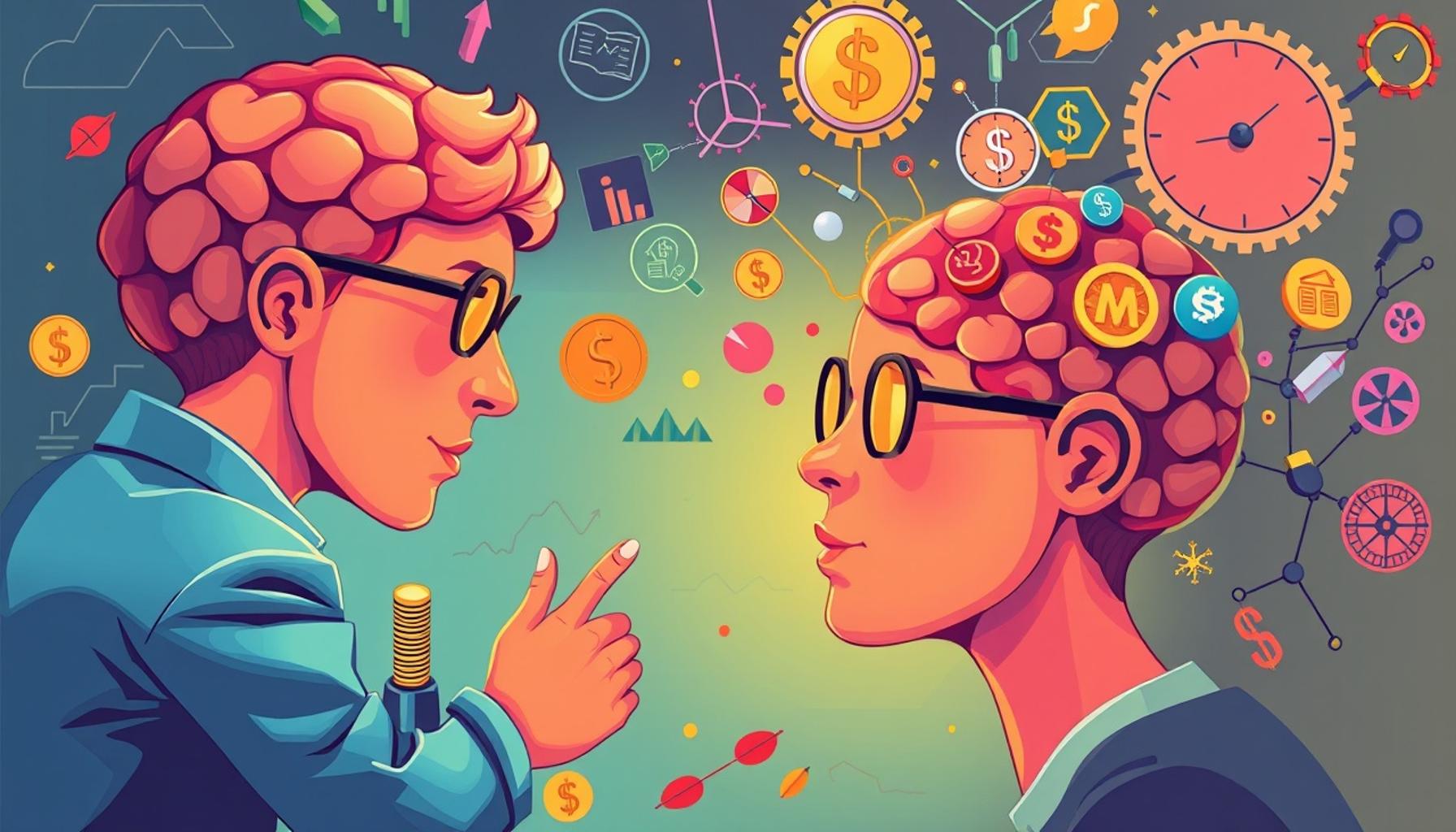
Strategic Thinking and Decision Making: The Role of Mind Games in Enhancing Critical Thinking

Unlocking the Power of the Mind
In a rapidly changing world, the ability to think strategically is more crucial than ever. Strategic thinking enables individuals to navigate complexities, anticipate future challenges, and make informed decisions. In Nigeria, with its diverse culture and bustling economy, honing critical thinking skills becomes paramount for both personal and professional success.
Mind Games: A Tool for Enhancement
One effective method to sharpen these skills lies in the realm of mind games. These engaging activities not only entertain but also offer a robust platform for mental development. Consider the following:
- Chess: This classic game is not just a pastime; it demands players to think several moves ahead and devise strategies to outmaneuver opponents. In Nigeria, numerous chess clubs have sprung up in cities like Lagos and Abuja, where enthusiasts gather to sharpen their skills. The strategic aspects of chess reflect real-world decision-making, emphasizing the importance of planning and adaptability.
- Sudoku: Sudoku puzzles promote logical reasoning and pattern recognition, vital skills in any analytical profession. By engaging in this number puzzle, individuals improve their ability to spot trends and solve problems efficiently. Many Nigerians have turned to Sudoku as a daily mental workout, appreciating its challenge while fostering a disciplined mindset that can be applied in various career fields.
- Trivia Quizzes: Trivia challenges are not merely about recalling facts; they also enhance quick thinking and decision-making under pressure. Participating in local quiz competitions or even online trivia games can sharpen the ability to think on one’s feet, a skill that is indispensable in the fast-paced business environment prevalent in Nigeria.
These mind games can significantly enhance critical thinking abilities, allowing individuals to assess situations from multiple angles and devise effective solutions. The increasing complexity of societal challenges in Nigeria, such as economic development, healthcare, and education reform, demonstrates the real need for innovative thinkers who can strategize for better outcomes.
As Nigeria continues to evolve, integrating such tools into education and professional training can foster a culture of strategic problem-solving, vital for progress in the global arena. Schools, universities, and institutions can incorporate strategic games into the curriculum, stimulating young minds toward creative solutions and enhancing their readiness for the demands of the future workforce.
In conclusion, promoting engagement with mind games such as chess, Sudoku, and trivia can cultivate essential skills for personal development and professional advancement. The benefits of these practices extend beyond entertainment, shaping resilient problem-solvers who are equipped to contribute meaningfully to Nigeria’s diverse and rapidly growing economy.
RECOMMENDED: Check out this similar article
The Cognitive Benefits of Engaging with Mind Games
Engaging with mind games extends beyond mere entertainment; it offers profound cognitive benefits that bolster strategic thinking and refine decision-making skills. By actively participating in these games, individuals sharpen their ability to analyze situations critically, recognize patterns, and make informed choices. This cognitive engagement is particularly relevant in Nigeria, where a growing economy requires innovative solutions to complex challenges.
Insights into Mind Activities
The benefits of mind games can be categorized into several key areas:
- Enhanced Problem Solving: Mind games like chess and Sudoku stimulate the brain’s analytical faculties. Players learn to assess various outcomes and explore different avenues for problem-solving, skills directly translatable to real-world scenarios such as negotiating business deals or managing projects.
- Improved Patience and Discipline: Regular practice of mind games cultivates patience and discipline, traits essential for strategic thinkers. These games often require time and effort to master, encouraging a mindset that values persistence and gradual improvement, crucial for success in fields such as entrepreneurship and governance.
- Strengthened Memory and Concentration: Engaging in trivia quizzes and memory games aids in enhancing cognitive functions like memory retention and concentration. This is particularly beneficial for students and professionals alike, who must navigate information-dense environments and retain critical knowledge for decision-making processes.
- Teamwork and Collaboration: Many strategic games can be played in teams, promoting collaboration and discussion. This cooperation mirrors the dynamic of workplace environments, making players adept at communicating ideas and negotiating effectively, essential skills for anyone aspiring to lead in Nigeria’s diverse job market.
The integration of mind games into daily routines can thus empower individuals to develop foundational skills that directly impact their success. As Nigeria faces numerous challenges—from economic diversification to social innovations—leveraging critical thinking skills becomes imperative. By fostering a culture that encourages engaging with mind games, communities can cultivate a new generation of thinkers and leaders capable of navigating uncertainty with strategic foresight.
In the educational sector, efforts to incorporate mind games into curriculums are already beginning to bear fruit. Schools around the country are recognizing the potential of these activities to enhance cognitive skills and prepare students for future challenges. By providing platforms for students to engage in strategic thinking exercises, education systems can produce graduates equipped with the tools necessary for effective decision-making in their careers.
With ongoing development in technology and connectivity, online platforms offering mind games are also increasing in popularity. This trend not only makes these cognitive exercises more accessible but also connects players from different regions, fostering a spirit of friendly competition and collaboration. The more individuals across Nigeria engage with these games, the stronger the collective capacity for strategic thinking and informed decision-making becomes.
| Key Concepts | Insights |
|---|---|
| Strategic Planning | Utilizing structured frameworks to solve complex problems enhances effectiveness. |
| Mind Games | Activities like chess or puzzles sharpen cognitive skills and decision-making speed. |
| Problem-Solving Techniques | Learning various methods can lead to innovative solutions in uncertain situations. |
| Critical Thinking Development | Engaging with strategic games builds analytical skills useful in real-life scenarios. |
As we dive deeper into the realms of strategic thinking and decision-making, the interplay between mind games and critical thinking becomes increasingly apparent. Strategic planning, for instance, is no longer a rigid structure but a fluid process shaped by the dynamics of each decision-making scenario. By incorporating mind games like chess or various strategic puzzles, individuals improve their cognitive flexibility, enabling them to navigate complexities effectively. Moreover, understanding various problem-solving techniques empowers decision-makers to approach challenges from multiple angles, fostering innovation and adaptability. This is particularly crucial in today’s fast-paced environment, where the ability to think critically can dramatically influence outcomes. As research continues to unveil the cognitive benefits of these activities, it becomes clear that engaging in such mental exercises is not only entertaining but practically essential for honing essential skills.
RECOMMENDED: Check out this similar article
The Impact of Mind Games on Professional Development
In the rapidly evolving job market of Nigeria, the ability to think critically and make sound decisions is not only desirable but essential. Professionals across industries are increasingly recognizing that mind games can play a pivotal role in honing these skills. As new challenges surface, from technological disruptions to shifting consumer preferences, employers are seeking candidates who can demonstrate leadership, adaptability, and innovative thinking—qualities that can be nurtured through engagement in strategic games.
Mind Games as a Tool for Leadership Development
Participation in mind games can significantly enhance leadership qualities. For example, games like Risk and Settlers of Catan challenge players to think strategically about resource management and territorial control, mirroring the complexities of real-world business scenarios. Such experiences can equip aspiring leaders with the ability to forecast trends, mitigate risks, and leverage opportunities. In Nigeria’s burgeoning corporate landscape, the capacity to anticipate market movements and act decisively can make a considerable difference in a company’s success.
Promoting Emotional Intelligence through Mind Games
Emotional intelligence (EI) is another critical component for effective decision-making. Games that involve negotiation and alliance-building, like Diplomacy, require players to understand and manage their emotions and those of others to achieve their goals. This aspect of gameplay is invaluable—not only does it enhance interpersonal skills, but it also prepares players for the collaborative environments typical of workplaces in Nigeria. As teams become more diverse and culturally nuanced, the ability to navigate these dynamics becomes essential for fostering harmonious working relationships and driving collective success.
Case Studies and Examples from Nigerian Context
Several organizations in Nigeria have begun to incorporate mind games into their training programs to enhance employee performance. For instance, some tech startups have adopted strategic board games during team-building exercises, which have led to increased communication and creative problem-solving among team members. Additionally, universities across Nigeria are recognizing the role of strategic games in academic curriculums. Some have even piloted initiatives where business students engage in simulations replicating market scenarios, allowing them to practice strategic thinking in a controlled environment.
The intersection of technology and mind games is also gaining traction. Online platforms now offer virtual spaces for Nigerians to connect over classic mind games, fostering a sense of community and collaboration while sharpening their critical thinking abilities. Players benefit from exposure to diverse perspectives and strategies, reinforcing the notion that embracing different approaches can enhance their own decision-making frameworks.
The integration of mind games into professional development is not merely a passing trend; it represents a strategic approach to cultivating a workforce adept in critical and analytical thinking. As Nigeria’s economic conditions demand increasingly innovative solutions, these cognitive practices will likely emerge as essential components of effective training and development programs across various sectors.
YOU MAY ALSO LIKE: Read read another article
Conclusion: Embracing Mind Games for Enhanced Strategic Thinking and Decision Making
As we have explored throughout this article, the integration of mind games into professional development initiatives offers a wealth of benefits for individuals seeking to sharpen their strategic thinking and decision-making abilities. In Nigeria’s fast-paced economic environment, where adaptability and innovation are paramount, engaging with mind games can serve as a powerful tool for fostering critical thinking skills. These games not only simulate real-world challenges but also promote emotional intelligence, resource management, and collaborative problem-solving that are essential in today’s diverse workplaces.
The case studies and examples from Nigerian organizations illustrate that the adoption of mind games in training programs is not merely a trend but rather a profound shift towards cultivating a workforce that is equipped to tackle contemporary challenges. As employees hone their skills through both traditional board games and modern digital platforms, they also develop the capacity to embrace diverse perspectives and enhance their own decision-making frameworks.
Looking ahead, it is crucial for businesses and educational institutions to continue recognizing the value of strategic gameplay as an integral part of skill development. By fostering environments that utilize mind games, we create opportunities for individuals to think critically, make informed decisions, and lead effectively in their respective fields. As Nigeria continues on its path towards economic growth and modernization, the role of strategic thinking—and the playful yet profound influence of mind games—will undoubtedly play a key part in shaping the leaders and innovators of tomorrow.

Beatriz
Beatriz Johnson is a seasoned puzzle enthusiast and writer with a passion for unraveling the complexities of mind games and brain teasers. With over a decade of experience in the world of puzzles, she specializes in topics like logic games, riddles, and strategic challenges. Through her work, Beatriz empowers readers to sharpen their problem-solving skills, think creatively, and stay engaged in the ever-evolving landscape of mind games and puzzles.