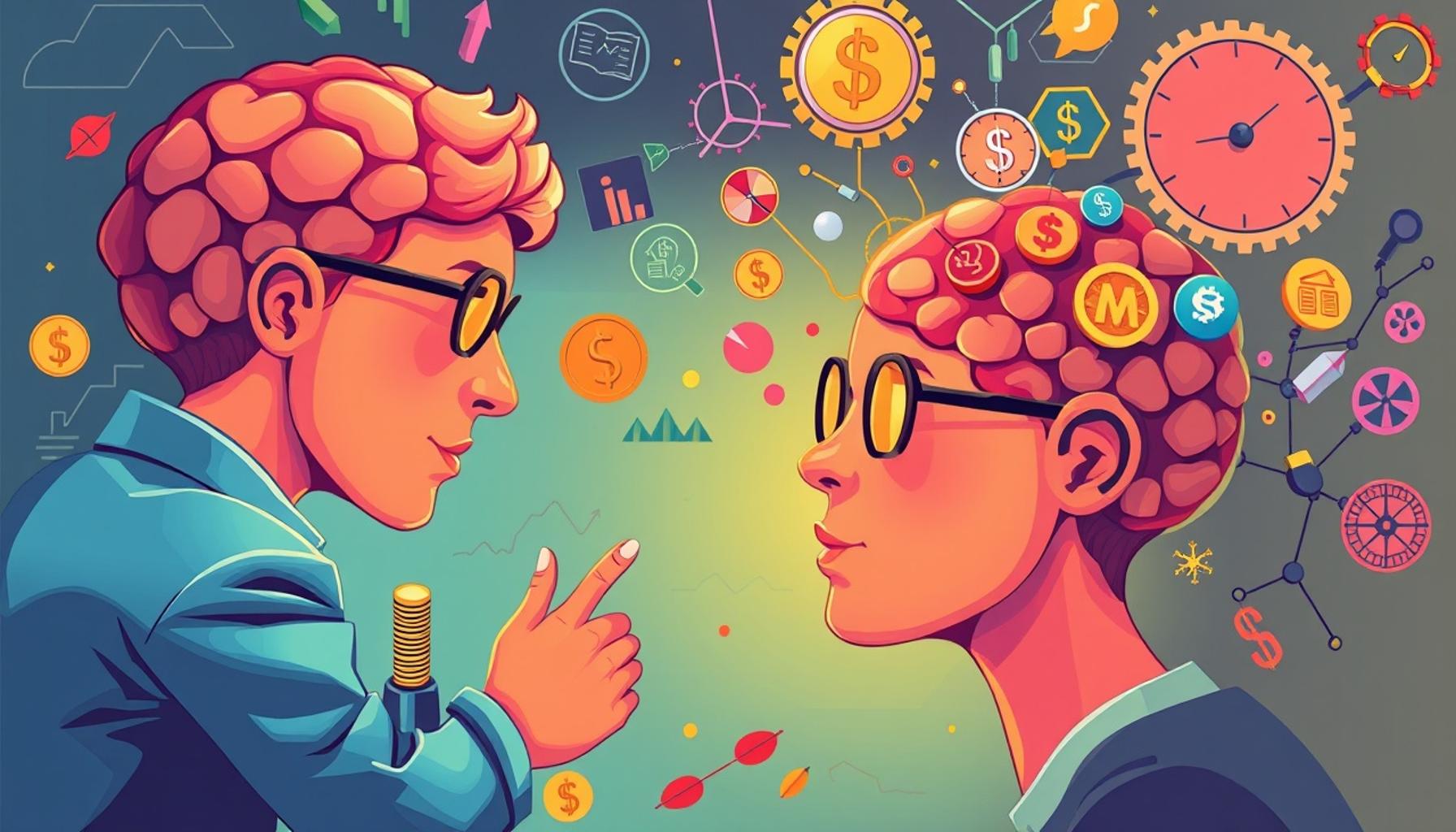
Developing Creative Problem-Solving Skills Through Logic Games and Puzzles

Unlocking the Power of Logic Games
In a dynamic world filled with both opportunities and challenges, the importance of creative problem-solving skills cannot be overstated. Logic games and puzzles serve as an exceptional medium through which individuals, particularly the youth in Nigeria, can sharpen these vital skills. Engaging in these activities not only offers enjoyment but also cultivates a critical mindset that can provide the basis for innovative thinking and effective solutions.
Why Logic Games Matter
Immersing oneself in logic games and puzzles can yield a wealth of benefits that extend far beyond mere entertainment. Some of the key advantages include:
- Improved Cognitive Skills: Engaging in these challenges enhances critical thinking and analytical reasoning, enabling individuals to evaluate situations and solve problems more effectively.
- Increased Focus: Working through complex problems sharpens concentration, teaching individuals to minimize distractions and hone in on essential tasks.
- Team Collaboration: Many logic games are best enjoyed in groups, promoting teamwork and communication, which are crucial skills in today’s collaborative work environment.
For numerous people, these games act as a bridge between entertainment and education. Whether it is playing a traditional strong>Nigerian board game like Dambe or engaging in Sudoku puzzles and riddles, the process of resolving challenges ignites creativity. Moreover, these activities offer a safe environment to experiment with ideas, allowing individuals to learn from their mistakes without the fear of failure.
Exploring the Options
There is a rich array of logic games that cater to different interests and proficiency levels. Some popular options include:
- Chess: This time-honored game is not only a source of enjoyment but also a powerful tool to stimulate strategic thinking and foresight, skills that are valuable in both personal and professional life.
- Crossword Puzzles: These word games help to enhance vocabulary while promoting lateral thinking—encouraging players to make connections and think outside the box.
- Escape Room Challenges: These immersive experiences foster real-time problem-solving under pressure, pushing participants to quickly collaborate and devise ingenious solutions to escape simulated environments.
As we delve deeper into the relationship between these engaging activities and creative problem-solving development, it becomes evident that they extend beyond mere pastimes. They serve as powerful tools for personal and intellectual growth, particularly for the vibrant youth of Nigeria. By incorporating these games into their daily interactions, individuals can foster skills that will not just aid in academic settings but also empower them to navigate the complexities of modern life with confidence and creativity.
YOU MAY ALSO LIKE: Read read another article
Nurturing Skills Through Engagement
As the youth of Nigeria navigate a rapidly evolving landscape of education and employment, a sharp set of creative problem-solving skills has emerged as a crucial asset. Logic games and puzzles are not just entertaining pastimes; they function as dynamic platforms that provide essential training for the mind. By engaging regularly with these mental challenges, young individuals can cultivate an arsenal of skills that enhance not only their educational pursuits but also their future professional interactions.
Understanding the Cognitive Benefits
At the heart of engaging with logic games is the profound cognitive enhancement that comes with it. Through strategic play, participants sharpen their analytical skills—essential for evaluating information and making informed decisions. The following are some critical cognitive benefits gained through participation in such games:
- Enhanced Decision-Making: Logic games often require players to make choices under time constraints or complex scenarios, promoting quicker, yet rational, decision-making skills—crucial in both personal life and the professional arena.
- Developing Resilience: The iterative nature of puzzles teaches players to approach problems with a mindset of perseverance. This resilience translates directly to real-world challenges, instilling a belief that solutions are achievable with sustained effort.
- Boosted Creativity: Logic games often demand out-of-the-box thinking, challenging players to formulate innovative strategies to overcome obstacles, thereby exercising creativity that fuels problem-solving capacities.
Logic puzzles such as Sudoku or strategy-driven games like Ludo are commonly found in classrooms and homes across Nigeria, reflecting a cultural resonance that nurtures cognitive skills from an early age. These activities present a playful yet challenging environment where children can express their creativity while learning the intricacies of logical thinking.
Creating Collaborative Learning Environments
The social aspect of logic games cannot be overlooked, as many of them lend themselves to group settings. Engaging in team-based challenges fosters an environment of collaborative learning, which is essential for developing communication and interpersonal skills. When playing games such as Scrabble or engaging in group puzzles, individuals learn to articulate their thought processes, consider multiple perspectives, and strategize collectively.
In Nigeria, where communal interactions often play a vital role in everyday life, these logic games can revitalize traditional gatherings by adding a layer of mental engagement and camaraderie. Games that require teamwork can break down social barriers and enhance mutual understanding among participants, enabling them to approach problems together with confidence and shared creativity.
By promoting these interactive experiences, communities can contribute to building a generation of innovative thinkers who are well-prepared to tackle the challenges of the modern world. The benefits derived from logic games and puzzles resonate profoundly with the objectives of educational systems aiming to equip young people with the skills necessary for success in an increasingly complex global society.
| Category | Description |
|---|---|
| Cognitive Development | Logic games enhance cognitive functions including memory, attention, and reasoning. |
| Social Skills | Playing these games in groups fosters collaboration and communication among players. |
The relationship between logic games and creativity is pivotal for anyone looking to enhance their problem-solving abilities. These games challenge players to think outside the box and develop strategies that often require innovative approaches. As individuals engage in various puzzles, they begin to recognize patterns and relationships that may not be immediately obvious, leading to a stronger ability to analyze situations.Moreover, regularly participating in logic games can lead to improved decision-making skills. People become adept at weighing options and considering potential outcomes, which is a key component of effective problem-solving. The diverse nature of games—from crosswords to Sudoku—ensures that players are not only entertained but also continually learning.By immersing themselves in these engaging challenges, individuals are equipped with tools that extend beyond the realm of games and into everyday life—aid in their pursuit of personal and professional success. Exploring various types of logic games is an exciting step to developing creativity and enhancing critical thinking skills.
YOU MAY ALSO LIKE: Read read another article
Integrating Logic Games into Educational Frameworks
Incorporating logic games and puzzles into educational curricula presents a unique opportunity to enrich the learning experience for students across Nigeria. Many educators are increasingly recognizing the pivotal role that creative problem-solving skills play in student development. By embedding logic games into lesson plans, teachers can create a more engaging and interactive environment that nurtures critical thinking and innovation.
Real-World Application of Skills
Logic games offer students a safe space to practice and experiment with decision-making processes without the fear of real-world consequences. These experiences are particularly vital in nurturing skills applicable beyond the classroom. For instance, the game of chess—widely embraced in Nigeria—challenges players to think several moves ahead, weighing potential outcomes and strategies. This not only enhances strategic reasoning but also translates to effective planning in project management and business innovation.
Additionally, puzzles that involve mathematical reasoning, like those found in competitive events such as Mathematics Olympiads, can stimulate interest in STEM (Science, Technology, Engineering, and Mathematics) fields. These events serve as platforms for students to showcase their problem-solving capabilities while reinforcing math concepts through interactive and enjoyable methods.
Promoting Inclusivity and Accessibility
Logic games and puzzles can also bridge gaps in educational accessibility and provide equal opportunities for all students, irrespective of their backgrounds. Many organizations in Nigeria are working to promote the inclusion of underserved youth by introducing logic games in a fun and approachable manner. Programs that feature activities like coding games or problem-solving competitions encourage students from various socioeconomic backgrounds to participate and collaborate.
Furthermore, the adaptability of these puzzles—available in various formats such as digital applications, card games, and board games—makes them easily accessible. Moreover, initiatives such as after-school clubs or community events can help combat educational disparities, offering students the chance to improve their cognitive skills collectively.
Enhancing Emotional Intelligence Through Play
Besides cognitive gains, engaging with logic games can enhance aspects of emotional intelligence crucial for effective problem-solving. Emotional regulation, empathy, and self-awareness are fostered through games that require teamwork and negotiation. Games like charades or strategy board games encourage players to understand their peers’ perspectives, fostering an environment where collaboration thrives and conflict resolution skills are honed.
As Nigerian youth engage with these formats, they develop a crucial element of creative problem-solving—being able to navigate interpersonal dynamics. This emotional intelligence empowers them to approach real-life challenges not just with analytical prowess but with social awareness, enhancing their ability to work effectively in diverse teams.
In summary, the integration of logic games into educational frameworks provides multifaceted benefits, paving the way for a generation of innovative problem-solvers. The ability to cultivate essential skills through engaging and enjoyable experiences can significantly influence the future workforce, equipping the youth of Nigeria to tackle societal challenges head-on.
ADDITIONAL INSIGHTS: Expand your understanding here
Conclusion
In conclusion, the incorporation of logic games and puzzles into educational practices stands as a transformative approach to developing creative problem-solving skills among students in Nigeria. By providing a blend of cognitive challenges and social interaction, these activities pave the way for not just academic achievement, but holistic personal development. As students engage with logic games, they refine critical thinking, hone their emotional intelligence, and learn to collaborate effectively, essential skills for navigating today’s complex world.
Furthermore, the inclusivity offered by these games ensures that all students, regardless of their background, have the opportunity to participate and grow. As demonstrated, various organizations across Nigeria are rising to the challenge by promoting access to such learning tools, thereby narrowing educational gaps. Through initiatives that embrace logic games, we can empower an entire generation to embrace innovative thinking and adaptive reasoning.
The potential impact of these skills extends far beyond the classroom. As students develop robust problem-solving abilities, they become better equipped to tackle societal issues, contribute to local communities, and drive economic development through entrepreneurial endeavors. Recognizing and supporting the implementation of logic games and puzzles in education can therefore serve as a pivotal strategy in shaping the future of Nigeria’s workforce.
Ultimately, investing in the engagement of logic games is an investment in the young minds of today who will become the leaders, innovators, and change-makers of tomorrow. It is time to harness the power of play to unlock the creative problem-solvers of the future.

Beatriz
Beatriz Johnson is a seasoned puzzle enthusiast and writer with a passion for unraveling the complexities of mind games and brain teasers. With over a decade of experience in the world of puzzles, she specializes in topics like logic games, riddles, and strategic challenges. Through her work, Beatriz empowers readers to sharpen their problem-solving skills, think creatively, and stay engaged in the ever-evolving landscape of mind games and puzzles.