
Developing Critical Thinking Through Puzzle Games: Strategies to Improve Decision Making and Mental Agility
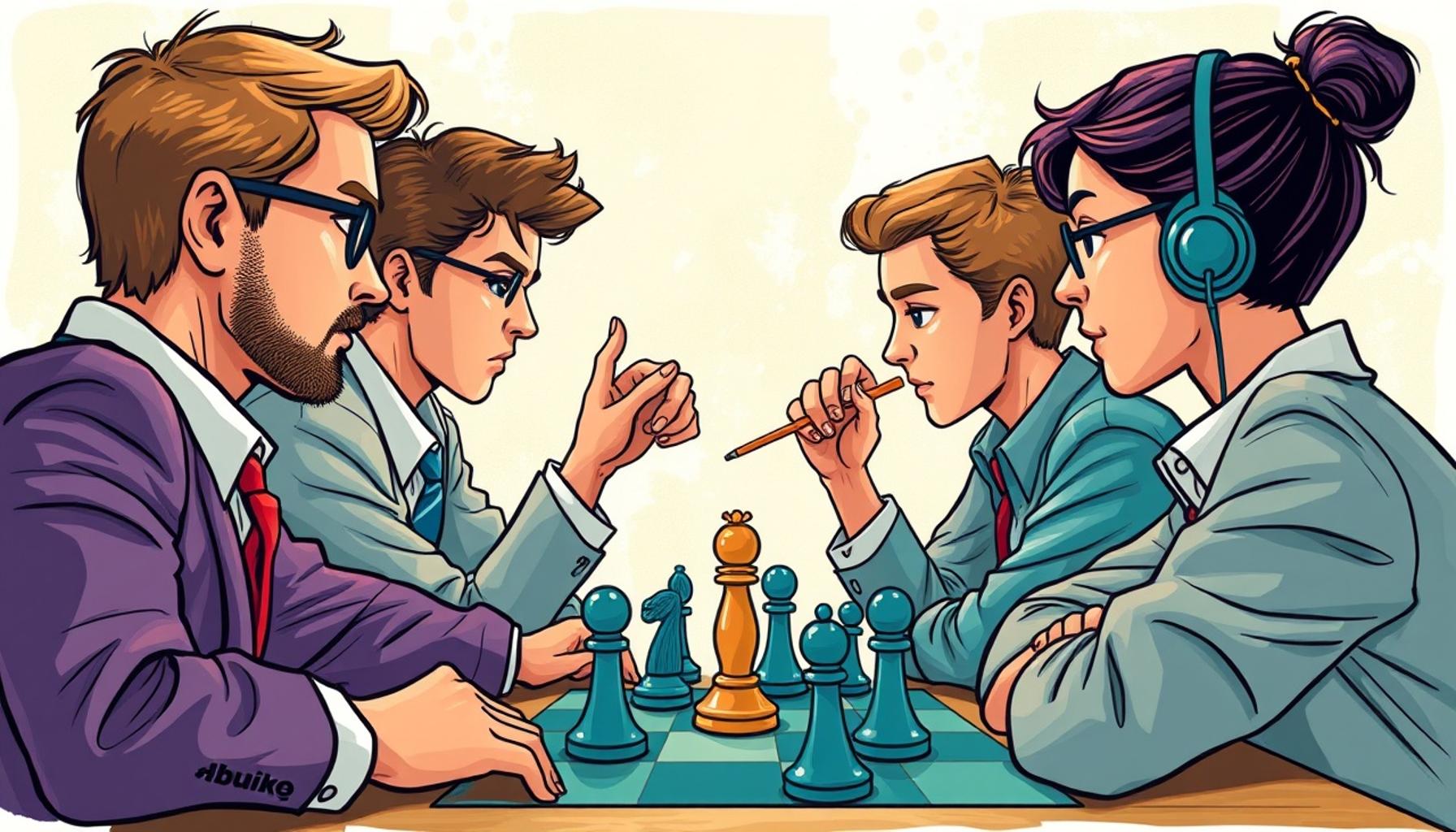
Unleashing the Power of Puzzle Games
In a world where quick decisions and mental flexibility are essential, developing critical thinking skills has become more important than ever. Puzzle games offer an engaging way to sharpen these abilities, blending fun with cognitive growth. They challenge players to think outside the box, enhancing both decision making and mental agility.
Why Puzzle Games Matter
- Enhance Problem-Solving: Players navigate complex scenarios, improving their ability to analyze and solve problems. Games like Sudoku require logical reasoning and structured thinking, fostering necessary skills that players can use in real-life situations, from managing finances to strategizing business moves.
- Boost Creativity: Many puzzles require unique strategies, encouraging players to think creatively. For example, in chess, players develop innovative tactics to outmaneuver their opponents, which can translate to creative problem-solving in everyday tasks.
- Increase Focus: Concentration is key in puzzles, which helps build attention span and fortitude. Engaging with intricate puzzles sharpens the mind, allowing players to maintain focus for longer periods, a beneficial trait in both academic and professional environments.
In Nigeria, where educational talents are growing, integrating games like Sudoku, chess, or traditional puzzles into learning can revolutionize how critical thinking is developed. Schools and colleges can organize puzzle competitions, attracting students to engage with these games as a part of their curriculum. This not only enhances students’ intellectual capabilities but also fosters a sense of community and teamwork among peers.
Beyond academics, puzzle games also serve as excellent social tools in Nigeria, where many communities enjoy interactive game nights. These gatherings not only sharpen cognitive skills but also strengthen social bonds, creating an atmosphere filled with friendly competition and collaboration.
Unlocking New Strategies
Discovering effective strategies within puzzle games can lead to significant improvements in thinking and decision-making skills. Each challenge provides an opportunity to refine your approach and adapt to new situations. For instance, by regularly playing games like Jenga, players learn about balancing risks, managing resources, and predicting outcomes—all vital components of effective critical thinking. This adaptive learning process can be incredibly beneficial for personal and professional development.
As we explore this topic, you’ll learn how to transform your gaming experience into a powerful tool for personal growth. Engaging with puzzles not only serves as a fun pastime but also enhances your mental toolkit, preparing you for the unpredictable challenges life may present. By delving deeper into these games, you can unlock a whole new realm of strategic thinking and creativity, proving that play can indeed be a powerful catalyst for growth.
ADDITIONAL INSIGHTS: Expand your understanding here
Engaging the Mind: The Mechanics of Puzzle Games
Puzzle games are not just leisure activities; they are cognitive trainers designed to enhance critical thinking and mental agility. By dissecting the way these games function, we can appreciate how they contribute to enhanced decision making. For instance, games like Crosswords and Logic Puzzles stimulate the brain to think critically and adaptively. The challenge lies in deciphering clues, recognizing patterns, and making connections, all of which are essential skills in everyday life.
To fully utilize the potential of puzzle games in nurturing cognitive abilities, consider implementing the following strategies:
- Regular Practice: Consistency is key. Just like any skill, regular engagement with puzzles hones your problem-solving capabilities. Incorporate daily puzzles into your routine, whether during your commute or while waiting for an appointment.
- Diverse Puzzle Types: Exposure to various types of puzzles, like Rubik’s Cubes, mazes, or digital brain teasers, encourages players to adopt different thinking styles and strategies, helping to break the monotony and stimulate creativity.
- Collaborative Engagement: Playing puzzles with friends or family can introduce competitive spirit and new perspectives. Engaging in discussions about shared strategies can lead to deeper understanding and more refined thinking methods.
- Self-Reflection: After solving a puzzle, reflect on your thought process. Analyzing your decisions helps identify patterns in your critical thinking and illuminates areas for improvement.
In Nigeria’s vibrant community settings, integrative puzzle gaming can have profound impacts on youth development. Schools can foster environments that emphasize critical thinking through after-school puzzle clubs, where students not only play but also learn to appreciate the communal aspect of problem-solving. Imagine a classroom where solving a math riddle opens the door to discussions on teamwork, collaboration, and leadership. These group dynamics can serve as a catalyst for young members to embrace diverse thinking approaches.
Moreover, competitions and tournaments can drive excitement and engagement among students. By incorporating local puzzles or cultural themes, the connection between educational content and students’ cultural background can be reinforced, making the learning experience all the more relevant.
As we venture further into the realm of puzzle gaming, it becomes clear that the bridge between fun and intellectual growth is tangible. The strategic approaches to engaging with these games create a foundation for improved decision-making skills and robust mental agility. Embracing puzzle games within our educational systems and social frameworks can transform how critical thinking is perceived and developed in Nigeria, equipping individuals with the skills necessary to navigate today’s complexities and uncertainties.
Enhancing Mental Agility with Puzzle Games
As individuals engage with puzzle games, they find themselves in dynamic environments that challenge their reasoning and analytical skills. Critical thinking, as developed through these games, goes beyond mere problem-solving. It nurtures the ability to evaluate complex information and make informed decisions quickly. For example, strategy-based games often require players to anticipate their opponents’ moves, leading to a deeper understanding of decision-making processes under pressure.Furthermore, puzzle games are designed to stimulate the brain in unique ways, fostering mental flexibility. This adaptability empowers players to shift strategies seamlessly, an essential skill in both personal and professional contexts. Research has shown that participants in puzzle-based activities frequently demonstrate improved cognitive function, which can translate into better performance in real-world situations.To illustrate, consider games that involve logical reasoning, such as Sudoku or crosswords. These types of games not only improve one’s vocabulary and numeric skills but also enhance the ability to think critically about how to approach a problem. Unearthing relationships between different pieces of information while under time constraints mirrors challenges people face in everyday scenarios, providing valuable practice in decision-making.The utilization of puzzle games as tools for developing critical thinking should not be underestimated. By providing engaging and enjoyable experiences, these games can lead to lasting improvements in one’s ability to navigate challenges effectively.
| Advantage | Explanation |
|---|---|
| Improved Problem-Solving Skills | Players develop strategies for identifying solutions quickly and efficiently through game mechanics. |
| Enhanced Cognitive Function | Engagement with puzzles stimulates neural pathways, leading to better memory and faster thinking. |
The results of incorporating puzzle games into daily routines are clear: they offer not only entertainment but also powerful tools for building essential skills in decision making and mental agility. As more people explore their potential, the benefits extend far beyond the gaming world into every aspect of life.
CHECK OUT: Click here to explore more
Cognitive Benefits: Unlocking Skills Through Puzzles
The benefits of engaging with puzzle games extend far beyond mere entertainment. These games are instrumental in developing a range of essential cognitive skills, significantly impacting how individuals approach problems in their daily lives. Studies indicate that consistent engagement with puzzles can lead to notable improvements in analytical reasoning, problem-solving, and memory retention. Such enhancements are invaluable in navigating the complexities of both academic and professional landscapes.
A prime example is the use of Sudoku, a classic number-based puzzle that not only sharpens mathematical skills but also sharpens concentration and boosts logical reasoning. Players must consider various factors, recognize repeating patterns, and anticipate potential outcomes—all key components of effective decision-making. For students in Nigeria, where numerical proficiency is crucial, incorporating Sudoku practices in the classroom could enhance their arithmetic capabilities and overall academic performance.
Additionally, engaging with puzzles like chess—often regarded as the ultimate strategy game—encourages players to plan and anticipate their opponent’s moves. This forward-thinking approach is directly applicable to real-life scenarios. As students or young professionals strategize their next steps, the skills they cultivate through chess enhance their ability to make well-informed choices.
Cultural Relevance: Puzzles in Nigerian Education
In Nigeria’s diverse educational landscape, integrating puzzle games into teaching methodologies can unlock a wealth of opportunities for cultural expression and cognitive growth. Traditional games such as the African board game Oware possess strategic elements that challenge players to think critically about their next moves. This not only fosters a competitive spirit but also helps players develop patience and foresight—key attributes for future leaders.
Moreover, leveraging local stories or historical narratives in puzzle formats can deepen the learning experience. Teachers can design puzzles that relate to Nigerian heritage, challenging students to solve riddles based on promotes their understanding of history while simultaneously honing their critical thinking skills. By engaging in these culturally relevant pursuits, students gain a sense of identity and belonging, thereby increasing their motivation to participate in intellectual exercises.
Encouraging community-centered puzzle initiatives can bridge generational gaps while allowing knowledge sharing. Elders can impart wisdom through storytelling woven into puzzles, fostering a sense of continuity and collective learning within communities. For example, organizing community puzzle-solving days plays a pivotal role in enhancing social cohesion and stimulating intergenerational dialogue.
Digital Revolution: Online Puzzle Games
The digital age has further transformed the landscape of puzzle games. A surge in online platforms offers a plethora of puzzles accessible at any time, enhancing availability and appeal among the youth. Websites and mobile applications such as Lumosity and BrainBashers allow users to challenge themselves with varied puzzles catering to different skill levels. With gamified elements, these platforms motivate users to strive for improvement and measure their progress over time.
As technology proliferates, it is crucial to promote responsible usage. Parents and educators should ensure that children balance screen time with active learning experiences. Encouraging the use of digital puzzles in tandem with hands-on activities creates a well-rounded approach to developing critical thinking.
ADDITIONAL INSIGHTS: Expand your understanding here
Conclusion: Embracing Puzzle Games for a Critical Mindset
In a rapidly evolving world, the ability to think critically and make sound decisions is more valuable than ever, particularly for the youth of Nigeria. Engaging with puzzle games yields profound cognitive benefits that go beyond mere enjoyment; it empowers individuals with essential skills such as analytical reasoning, problem-solving, and enhanced memory retention. As we have explored, the integration of traditional and digital puzzles like Sudoku and chess not only nurtures mental agility but also fosters a strategic mindset critical for academic success and professional growth.
Moreover, contextualizing these puzzles within Nigerian culture enhances their relevance and promotes a sense of identity. By incorporating culturally rich narratives into puzzle formats, educators can create unique learning experiences that resonate with students, encouraging them to engage actively in their educational journey. Community puzzle-solving initiatives serve as a bridge between generations, allowing traditional wisdom to flow freely and fostering social cohesion through collective problem-solving.
The emergence of digital platforms has opened new horizons for puzzle engagement, making cognitive exercises accessible to a wider audience. However, it is essential for parents and educators to guide the interplay of digital and hands-on activities to ensure holistic cognitive development. By fostering an environment where puzzle games are embraced, we unlock the doors to enhanced critical thinking, preparing the leaders of tomorrow to navigate life’s complexities with confidence and clarity. Thus, it is not just about solving puzzles; it is about shaping resilient thinkers equipped for the challenges ahead.

Beatriz
Beatriz Johnson is a seasoned puzzle enthusiast and writer with a passion for unraveling the complexities of mind games and brain teasers. With over a decade of experience in the world of puzzles, she specializes in topics like logic games, riddles, and strategic challenges. Through her work, Beatriz empowers readers to sharpen their problem-solving skills, think creatively, and stay engaged in the ever-evolving landscape of mind games and puzzles.