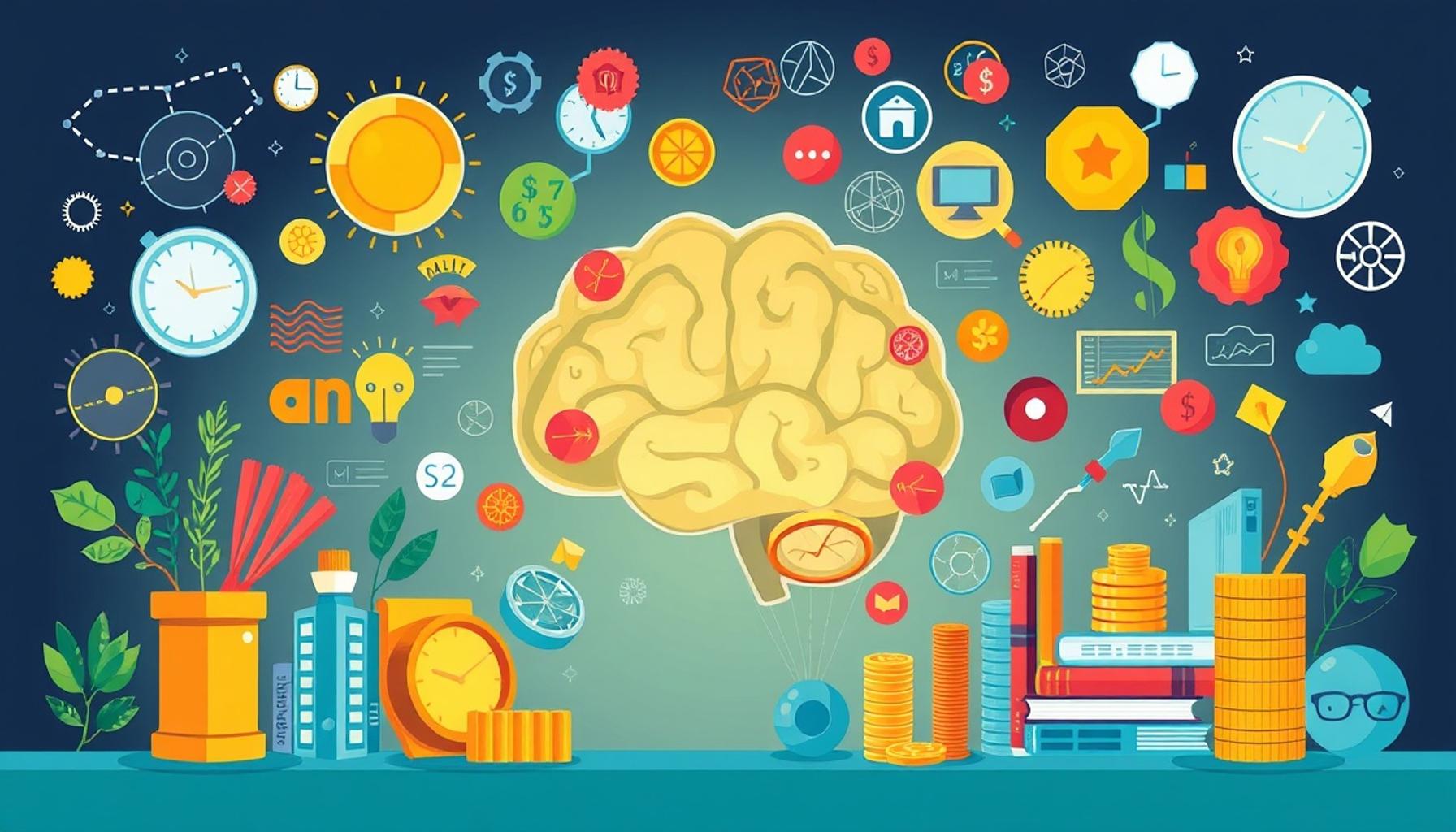
Creative Thinking and Problem Solving: How Puzzles and Strategy Games Foster Innovation
Understanding the Role of Play in Creativity
In a world that demands quick thinking and effective problem-solving, harnessing creativity has become invaluable. Every day, individuals and organizations face intricate challenges that call for inventive approaches. Surprisingly, a powerful method to cultivate this essential skill can be found in the realm of puzzles and strategy games.
Puzzles and strategy games are not merely forms of entertainment; they are exercises for the brain that enhance cognitive functions and adaptability. By engaging in these activities, individuals can refine their ability to think critically and creatively. Delving into how these games stimulate creative problem-solving reveals several key benefits:
- Encouragement of Out-of-the-Box Thinking: Players quickly learn to view challenges from various perspectives. For instance, a game of chess forces participants to anticipate their opponent’s moves and strategize accordingly, fostering innovative thinking.
- Improvement of Cognitive Skills: Many strategy games require players to make complex decisions, analyze situations, and plan their next moves meticulously. Thus, engaging in these activities can bolster problem-solving capabilities that extend beyond the gaming table.
- Increased Patience and Persistence: Puzzles inherently involve trial and error, teaching players the importance of perseverance. This resilience can be particularly beneficial in real life, where solutions often emerge after repeated attempts.
In Nigeria, traditional games such as damii and ayo serve as prime examples of how play fosters critical skills. These games, deeply rooted in Nigerian culture, are more than pastimes; they are rich with lessons in strategy, concentration, and foresight. For many Nigerian families, engaging in these games not only provides entertainment but also creates opportunities for learning and growth.
As we explore further into the relationship between leisure activities and innovation, it becomes evident that integrating puzzles into educational and professional environments can catalyze creative thinking essential for breakthroughs across various fields. Imagine a classroom where students solve challenging puzzles instead of rote memorization—this could lead them to develop skills crucial for the future workforce.
The connection between play and creativity is one worth exploring, especially considering the global shift towards embracing unconventional approaches to problem-solving. It is not just about having fun; it’s about unlocking the potential within through engaging methods that challenge the mind and inspire innovation. By incorporating such activities into everyday life, individuals can better navigate the complexities of their environments and contribute meaningfully to society.
LEARN MORE: This related article may interest you
The Cognitive Benefits of Engaging with Puzzles and Strategy Games
The landscape of creativity is increasingly seen as a crucial component in effective problem-solving, particularly in today’s fast-paced world. Engaging with puzzles and strategy games serves not only as a pathway to entertainment but also as an effective training ground for the mind. These activities promote a suite of cognitive skills that significantly contribute to our ability to innovate and tackle challenges head-on.
One of the most significant advantages of participating in these games is the development of critical thinking skills. Players are often required to dissect complex scenarios, identify patterns, and make strategic decisions on the fly. For example, in a game of checkers or ludo, players must think several moves ahead to outsmart their opponents. This kind of foresight and planning is an invaluable asset when faced with real-world problems, encouraging individuals to approach challenges with a strategic mindset.
- Enhanced Pattern Recognition: Engaging with puzzles can sharpen one’s ability to identify patterns and connections, which is essential for generating innovative solutions. This skill can translate into the workplace, helping individuals see opportunities where others see obstacles.
- Boosted Memory and Concentration: Strategy games, like monopoly, require players to remember rules, recall opponents’ previous moves, and keep track of resources. This mental exercise enhances memory function and concentration, vital elements in efficiently solving complex problems.
- Social Interaction and Collaboration: Many puzzles and games are designed for multiple players, encouraging collaboration. Engaging with others in these settings fosters communication skills and the ability to work together, both of which are crucial in innovative team environments.
In Nigeria, the traditional game of igha exemplifies how strategic thinking and problem-solving capabilities are cultivated through play. Just like chess, this game requires players to anticipate and devise tactics, encouraging individuals to think creatively within a set framework of rules. Such cultural games not only preserve Nigerian heritage but also serve as a medium for nurturing critical thinking among the youth.
With the rise of technology, educators and business leaders alike are starting to recognize the value of incorporating puzzles and strategy games into learning and development programs. These elements can transform conventional educational settings into dynamic environments where innovation thrives. How can we integrate these practices into our daily routines or curricula to stimulate creative thinking? Schools that encourage students to solve puzzles as a part of their learning process are ultimately equipping them with essential skills for the future workforce.
The exploration of cognitive benefits derived from puzzles and strategy games underscores their role as more than just a pastime. They are tools that can help individuals and groups navigate the complexities of modern challenges, igniting a spark of innovation that is so critical in today’s global landscape.
Creative thinking and problem-solving are vital skills in today’s rapidly changing world, and puzzles and strategy games serve as effective catalysts for developing these abilities. Engaging with these activities not only offers entertainment but also cultivates critical cognitive skills that are essential for innovation. First, puzzles such as crosswords, Sudoku, and logic games require players to think analytically and creatively, as they navigate through complex challenges. This practice encourages flexible thinking, enabling individuals to approach problems from multiple perspectives. The act of solving a puzzle fosters a sense of accomplishment that can translate to real-world situations, motivating players to tackle issues with renewed energy and optimism.In the realm of strategy games, such as chess or cooperative board games, players learn the importance of foresight and planning. These games encourage participants to anticipate their opponent’s moves, which sharpens their ability to think strategically. Such considerations are vital in today’s workplaces, where planning ahead can lead to significant competitive advantages. Moreover, players often find themselves in scenarios requiring collaboration and negotiation, enhancing their social skills and emotional intelligence.Research has shown that engaging in these mental exercises can lead to increased neural plasticity, making the brain more adaptable. This adaptability enhances one’s capacity for innovation, as players become more skilled at synthesizing new ideas and approaches. Furthermore, the immersive nature of puzzles and games helps to keep players focused, thus fortifying their ability to concentrate on complex tasks, a key component of effective problem-solving.Moreover, many educational institutions are integrating game-based learning into their curriculums to nurture these vital skills among students. By incorporating puzzles and strategy games into classroom activities, educators can effectively engage students and promote a culture of innovation and creativity. This approach not only prepares students for the challenges of the workforce but also equips them with the tools necessary for lifelong learning.The influence of puzzles and strategy games extends beyond individual skill development; they can also foster an innovative team culture in business environments. When teams engage in problem-solving games, they enhance their collaborative abilities, allowing for a free exchange of ideas and innovative thinking. This synergy is crucial in generating breakthrough solutions that can redefine industries.Overall, integrating puzzles and strategy games into daily routines can significantly enhance an individual’s and a team’s capacity for creative thinking and effective problem-solving, marking a promising strategy for those looking to innovate in various fields. This fun yet serious approach to development opens doors to new possibilities, urging individuals and organizations to explore the transformative power of play.
YOU MAY ALSO LIKE: Read read another article
Transforming Skills into Real-world Application
As the cognitive benefits of puzzles and strategy games become increasingly recognized, an essential inquiry arises: how do these skills translate into real-world applications? The synergy between creative thinking and practical problem-solving is not just theoretical; it manifests in various sectors, from education to business, where innovative solutions are paramount.
In educational contexts, for instance, teachers are progressively incorporating gamified learning approaches. By embedding strategy games into the curriculum, instructors can cultivate a vibrant learning atmosphere that challenges students to think critically and collaboratively. Research has indicated that students who engage in such interactive activities exhibit improved problem-solving abilities, higher retention rates, and enhanced analytical skills. Educational institutions in Nigeria, including adventurous schools in Lagos, are adopting these methodologies, demonstrating that learning through play can yield profound cognitive development.
- Real-World Problem-Solving: When players engage in problem-solving scenarios within games, such as Scrabble or strategic card games like Uno, they are honing their ability to tackle complex issues efficiently. These skills become incredibly valuable in workplaces where quick decision-making is critical.
- Innovation in Business: Companies are increasingly adopting elements of gaming and puzzles in their team-building exercises and training workshops. Businesses find that when employees engage in strategic games, it encourages an innovative mindset that can lead to breakthrough ideas and enhanced team synergy.
- Skill Development: Just as athletes train through practice, individuals can develop their creative capabilities through continuous engagement with puzzles. Regular participation in these activities nurtures skills such as flexibility in thinking and adaptability to new situations, essential attributes for personal and professional growth.
Furthermore, case studies reveal that sectors like technology and engineering have also embraced the cognitive play inspired by puzzles and games. Innovative companies in Nigeria, particularly in tech innovation hubs like Yaba, are using collaborative problem-solving approaches derived from game theory to stimulate creativity among their engineering teams. Such environments harness the competitive spirit found in games, channeling it towards technological advancements that meet pressing societal needs.
Moreover, organizations implementing these gamified strategies have reported a remarkable increase in employee engagement and motivation. This phenomenon is particularly observable when teams work together to tackle game challenges, leading to improved communication and trust among team members – factors that significantly contribute to an organization’s overall success.
Interactive puzzles and strategic games also encourage a culture of experimentation. Players learn that not every move leads to victory, teaching them resilience in the face of failure. In Nigeria’s vibrant arts scene, such resilience is increasingly mirrored in the creative community. Local artists, such as those involved in theater and music, are inspired by game strategies that celebrate trial and error, leading to unique cultural expressions and innovative art forms.
As puzzles and strategy games gain traction as tools for innovation, it becomes clear that their role extends beyond leisure. They are transformative instruments that foster creative thinking and robust problem-solving skills, ultimately shaping a more innovative workforce equipped to tackle today’s challenges with confidence and agility.
YOU MAY ALSO LIKE: Read read another article
Conclusion
In conclusion, the interplay between creative thinking and problem-solving through puzzles and strategy games underscores a vital shift towards nurturing innovation. As we delve into the ways these engaging activities cultivate essential cognitive skills, it becomes evident that their influence permeates various dimensions of society. Educational settings are reaping the rewards of gamified learning, fostering not only academic success but a generation of thinkers who are equipped to address real-world challenges.
Furthermore, the business landscape in Nigeria increasingly recognizes that incorporating game elements into work culture not only enhances team cohesion but also stimulates the kind of innovative ideas that drive progress. As organizations harness the skills developed through these playful experiences, they cultivate a workforce that is both dynamic and resilient, ready to tackle the complexities of the modern world.
Moreover, the culture of experimentation instilled through interactive puzzles encourages individuals to embrace failure as a stepping stone to success. This mindset is not only beneficial in professional arenas but also resonates within Nigeria’s creative communities, where artists are continually redefining boundaries through innovative expressions influenced by strategic thinking.
Ultimately, as the dialogue surrounding the cognitive benefits of puzzles and strategy games expands, it invites educators, business leaders, and creative minds alike to explore how these simple tools can drive monumental change. By fostering a culture that prizes innovation and resilience, Nigeria stands at the precipice of a transformative era — one where every challenge can become an opportunity for creative triumph.

Beatriz
Beatriz Johnson is a seasoned puzzle enthusiast and writer with a passion for unraveling the complexities of mind games and brain teasers. With over a decade of experience in the world of puzzles, she specializes in topics like logic games, riddles, and strategic challenges. Through her work, Beatriz empowers readers to sharpen their problem-solving skills, think creatively, and stay engaged in the ever-evolving landscape of mind games and puzzles.