
Logical Reasoning and Strategy Games: Stimulating Cognitive Development with Pattern Challenges and Game Theory
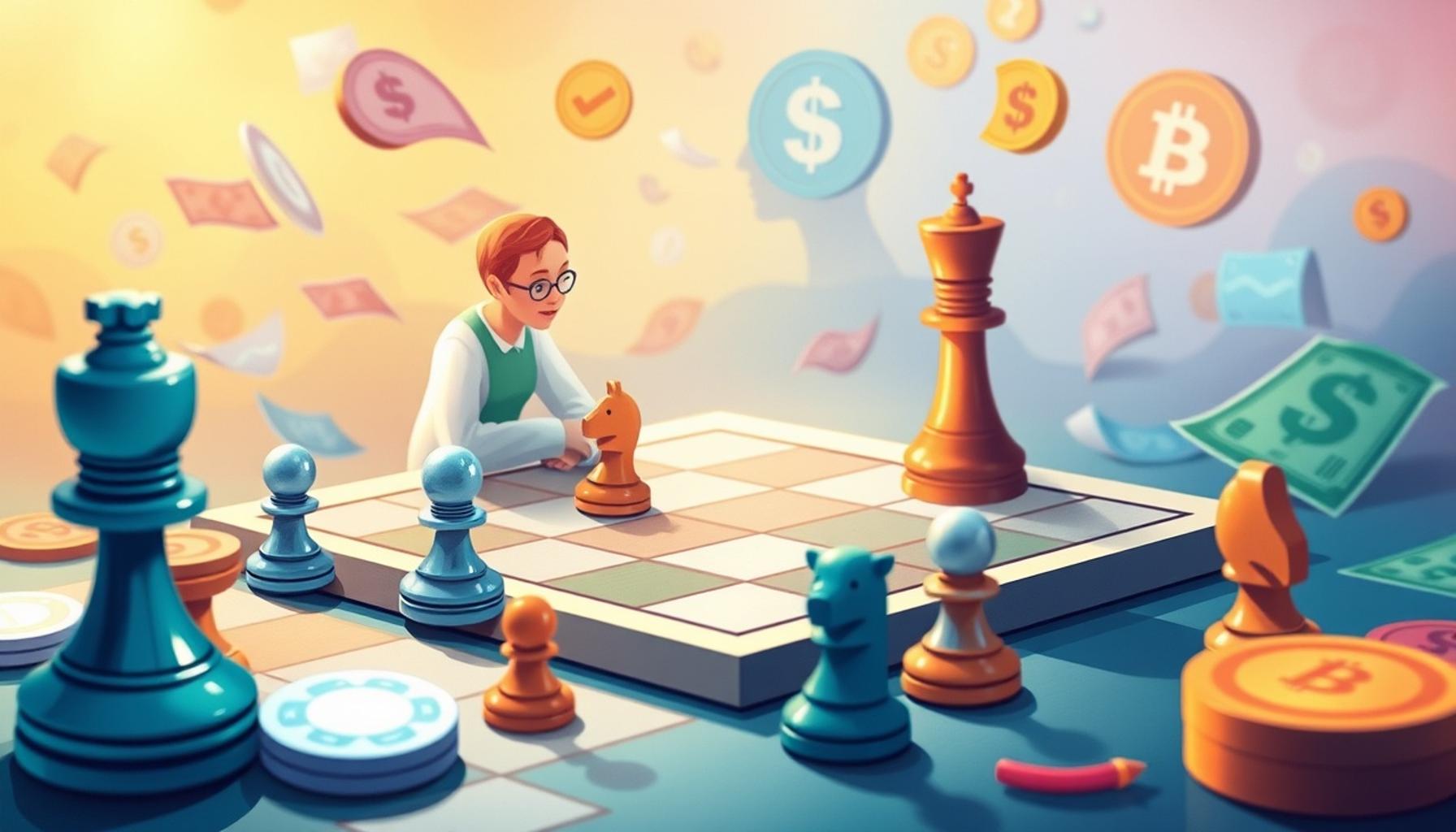
Unlocking the Mind through Play
In a world increasingly driven by logic and strategy, cognitive development has never been more crucial. Engaging in strategy games provides participants with more than mere entertainment; these games ignite logical reasoning skills and foster critical thinking. Whether through classic board games like chess or modern video games such as StarCraft or Civilization, players confront a variety of challenges that sharpen their ability to recognize patterns and make effective decisions.
Benefits of Strategy Games
Participating in strategy games brings forth a plethora of benefits that extend beyond fun:
- Improved problem-solving skills: Games often place players in increasingly complex situations that require analytical thinking. For example, in chess, players must anticipate their opponent’s moves while also developing their strategies, honing their ability to think several steps ahead.
- Increased attention span: Strategy games necessitate sustained focus for longer periods. As players navigate through intricate gameplay, they train their brains to remain engaged, which can translate into improved concentration in other areas of life.
- Enhanced memory retention: Remembering past moves and strategies not only reinforces cognitive function but also aids in developing a deeper understanding of the game’s mechanics. For instance, in card games like Bridge, participants must recall their opponents’ past plays to formulate winning strategies.
In Nigeria, the rise of local gaming communities highlights the exciting opportunities for cognitive growth through play. Traditional games such as Dammy (Dame) and Ludu are beloved pastimes that bring families together, while modern options like chess clubs and online strategy games cater to the youth. This blending of conventional and contemporary gaming offers a rich platform for mental engagement, allowing individuals from various backgrounds to explore the mental benefits these activities provide.
Game Theory: A Deeper Dive
Delving into game theory—the study of strategic interaction—can further enrich this gaming experience. Game theory equips players with the mindset to analyze and predict outcomes based on the behavior of others, granting them a profound understanding of competitive dynamics. For example, the insights gained from participating in competitive sports or even business negotiations can translate into more strategic thinking in everyday life, enhancing personal and professional interactions.
As we explore the intersection of logical reasoning and strategy games, we discover that these engaging formats serve not only as tools for cognitive enhancement but also as vibrant platforms for enjoyment and social interaction. Whether in bustling urban centers like Lagos or quieter towns in the north, the power of play continues to unlock the potential of countless individuals, fostering a culture of critical thinkers and collaborative problem solvers. Engaging with strategy games could very well be the key to unlocking greater cognitive prowess within the Nigerian community and beyond.
ADDITIONAL INSIGHTS: Expand your understanding here
The Cognitive Arsenal Gained through Strategy Games
Understanding the complex interplay between logical reasoning and strategy games requires an examination of how these games serve as cognitive tools that can boost mental agility. The engagement with various game mechanics offers players a chance to undergo real mental workouts, stimulating the brain to process information, predict opponents’ moves, and devise innovative strategies.
The Mechanics of Learning through Play
When players immerse themselves in strategy games, they are not merely playing for enjoyment; they are actively developing a range of cognitive skills essential for both personal and professional life. Here are some foundational cognitive skills enhanced through these games:
- Logical Thinking: Strategy games often require a structured approach to decision-making. Players assess situations systematically, weighing the pros and cons of each potential move. This methodical reasoning is key to unraveling problems in everyday situations, from budgeting to project planning.
- Pattern Recognition: Players naturally develop the ability to see patterns—whether in the movement of pieces in a board game or resource allocation in strategy video games. This skill allows them to predict future outcomes and adjust their plans accordingly, making it invaluable in areas like mathematics and data analysis.
- Collaboration and Teamwork: Many modern games promote multiplayer modes, where collaboration is crucial. Players must communicate effectively, share information, or negotiate with fellow players to achieve common goals. These interactions emphasize the importance of teamwork in professional settings.
In Nigeria, the gaming landscape has rapidly evolved, with a surge in strategy games tailored to reflect local culture and interests. Popular games like Ludu and Dammy not only foster family bonding but also become avenues for developing logical reasoning skills among different age groups. Schools and community centers have begun organizing tournaments, further integrating these games into social frameworks, thereby promoting cognitive development within the wider population.
Exploring Local Games with Global Impact
Diving deeper into local Nigerian games reveals a bounty of cognitive benefits. For instance, the traditional game of Dammy requires players to not only strategize their moves but also anticipate their opponents’ strategies. This game fosters a competitive spirit while sharpening the players’ analytical skills. On the other hand, modern adaptations of chess, now increasingly accessible through mobile applications and community clubs, offer a global perspective on strategy while nurturing critical thinking.
As communities embrace this blend of traditional and innovative gaming, it becomes evident that the potential for cognitive growth is vast. Engaging in strategy games is much more than a pastime; it is a means of cultivating a generation proficient in problem-solving, teamwork, and innovative thinking. Such engagement propels the development of logical reasoning, fundamentally preparing individuals to thrive in an ever-evolving world.
Logical Reasoning and Strategy Games: Cognitive Development Through Play
Engaging in strategy games not only serves as entertainment but also fosters essential cognitive skills. Players often find themselves in complex scenarios requiring logical reasoning and the ability to anticipate their opponents’ moves. These games challenge individuals to think critically, developing problem-solving skills that extend into everyday life.
One core advantage of these games is their capacity to enhance pattern recognition. Players must identify and anticipate patterns, which can boost their overall cognitive flexibility. This ability to adapt and adjust strategies based on evolving patterns is crucial, as it encourages quicker thinking and decision-making.
| Category | Benefits |
|---|---|
| Cognitive Skills | Enhances problem-solving and critical thinking. |
| Pattern Recognition | Improves adaptability and quick decision-making skills. |
Additionally, the aspect of game theory employed within these strategies encourages players to evaluate their actions critically and consider the potential consequences. This analytical approach not only applies within the confines of the game but also translates to real-world decision-making scenarios.
The combination of these intellectual exercises enables individuals to foster a lifelong appreciation for learning and growth in cognitive capabilities. The lessons learned from strategic gameplay extend far beyond the screen or board, equipping players with the tools necessary to navigate their daily challenges effectively.
RECOMMENDED: Check out this similar article
Enhancing Decision-Making Skills through Strategic Gameplay
Delving deeper into the realm of strategy games, it becomes clear that they serve not only as entertainment but also as critical platforms for enhancing decision-making skills. Players are often faced with a sequence of choices, each carrying distinct advantages and repercussions, thereby cultivating a heightened awareness of the impact of their decisions. This is particularly relevant in a Nigerian context where societal dynamics can shift rapidly, and the ability to make informed decisions is paramount.
The Role of Game Theory in Strategy Games
At the heart of these strategy games lies game theory, a mathematical framework that analyzes competition and cooperation among rational decision-makers. In games like chess or Ludu, players must understand the underlying principles of their opponents’ strategies to effectively respond. Such interactions serve as a microcosm for real-life scenarios, teaching players to think ahead and anticipate reactions in various situations, be it in negotiations or business dealings.
Further, these challenges build resilience and adaptability in players. For instance, during tournaments, a player might find themselves at a disadvantage due to unexpected moves from opponents. Adapting strategy in real-time hones the ability to cope with unpredictability—a skill that resonates well with the multifaceted challenges often encountered in Nigerian workplaces and economic settings.
Communities and Cognitive Growth: A Symbiotic Relationship
The infusion of strategy games into community activities not only fosters relationships but also reinforces cognitive development. Schools in cities like Lagos and Abuja have started integrating gaming clubs into their extracurricular offerings, recognizing their benefits in fostering critical thinking and problem-solving skills. For example, educational initiatives using games have been shown to improve mathematical skills through practical application, making the learning process engaging and interactive.
Additionally, communities are leveraging strategy games as a tool for social mobilization and empowerment. Local tournaments often attract participants from diverse backgrounds, encouraging collaboration and shared learning experiences. This phenomenon is increasingly evident in grassroots initiatives, where strategy games become a vehicle for enhancing logical reasoning and social awareness.
The Global Landscape of Strategy Games
As Nigeria becomes more interconnected through technology, access to global strategy games is on the rise. Online platforms offering games like StarCraft or Civilization allow players to engage with strategic challenges on a global scale. These games introduce players to advanced strategic concepts such as resource management, diplomacy, and even warfare strategies, further expanding their cognitive horizons. Moreover, participation in international competitions places Nigerian players on the global stage, allowing them to test their skills and strategies against a diverse array of opponents, broadening their perspectives on game theory and logical reasoning.
This evolution of the gaming landscape positions Nigeria not simply as a participant but as an emerging hub for cognitive development through logical reasoning and strategic gameplay. The intersection of traditional and digital strategy games continues to serve as a powerful catalyst, fostering mental agility, community bonding, and innovative problem-solving skills essential for nurturing the leaders of tomorrow.
LEARN MORE: This related article may interest you
Conclusion: The Future of Cognitive Development through Strategy Games
In conclusion, the intersection of logical reasoning and strategy games presents a unique and powerful avenue for stimulating cognitive development. As demonstrated throughout this article, engaging with these games promotes enhanced decision-making skills, resilience, and adaptability—qualities that are indispensable in navigating the complexities of modern life, particularly within the dynamic Nigerian context. The employment of game theory in these strategic environments not only enriches gameplay but also mirrors real-world scenarios, teaching players to anticipate and respond to challenges effectively.
Furthermore, the role of community initiatives in incorporating strategy games into educational environments cannot be overstated. Schools in Nigeria that embrace these activities are paving the way for students to develop strong critical thinking and problem-solving capabilities while fostering teamwork and collaboration. The social connections formed through local tournaments enhance awareness and stimulate local engagement, creating a thriving ecosystem for cognitive growth.
As the global landscape of strategy gaming continues to evolve, Nigeria stands at the forefront of this cognitive revolution. With increasing access to digital strategy games, players can expand their tactical knowledge and participate in a wider array of competitive environments. This movement not only enriches individual players but also serves to elevate Nigeria’s profile in the global arena.
Ultimately, the promise of strategy games extends beyond mere entertainment; they are tools for building a brighter, more innovative future. Engaging in these games equips individuals with the skills necessary to become effective leaders, problem solvers, and communicators in our ever-changing world. As we continue to explore the synergy between logical reasoning and strategy games, it is crucial to recognize their potential for shaping both cognitive abilities and society at large.

Beatriz
Beatriz Johnson is a seasoned puzzle enthusiast and writer with a passion for unraveling the complexities of mind games and brain teasers. With over a decade of experience in the world of puzzles, she specializes in topics like logic games, riddles, and strategic challenges. Through her work, Beatriz empowers readers to sharpen their problem-solving skills, think creatively, and stay engaged in the ever-evolving landscape of mind games and puzzles.