Unveiling the Benefits of Memory Games: How They Enhance Mental Agility and Concentration
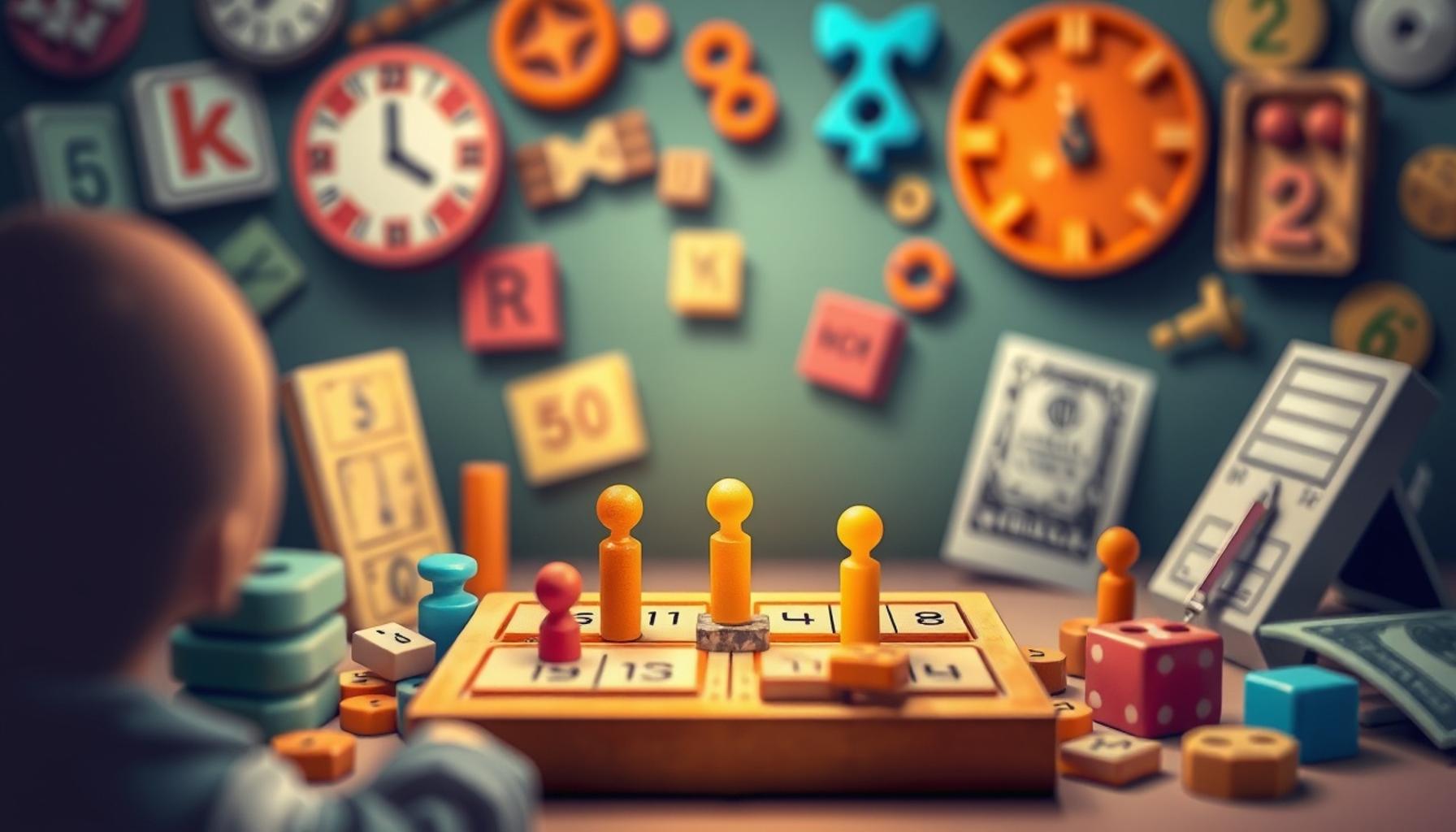
The Power of Engaging Your Mind with Memory Games
Memory games have surged in popularity not only among children but also across various age groups, including young adults and seniors. These stimulating and engaging activities serve as an enjoyable method of challenging the brain while providing a multitude of benefits. From the bustling marketplaces of Lagos to the lush landscapes of Enugu, incorporating memory games into one’s daily routine can result in impressive cognitive enhancements.
Benefits of memory games include:
- Enhanced mental agility: Engaging with memory games stimulates different areas of the brain, sharpening cognitive functions. This mental workout is akin to exercising your body; just as your muscles grow stronger with physical activity, your brain becomes more agile and responsive when subjected to challenges.
- Improved concentration: Regular practice of memory games fosters better focus and attentiveness. For instance, activities that require matching pairs or recalling sequences train the brain to concentrate on specific tasks, reducing susceptibility to distractions in an increasingly noisy world.
- Increased confidence: Successfully mastering new techniques and strategies in memory games gives players a sense of accomplishment, which can significantly boost self-esteem. This newfound confidence often translates into other areas of life, empowering individuals to tackle new challenges head-on.
The significance of memory games extends into preventing age-related cognitive decline, a growing concern in today’s fast-evolving world. With studies indicating that consistent brain training can delay the onset of dementia and other cognitive disorders, these games become essential for both personal and professional growth. In Nigeria, where traditional games like “Okwe” and “Oware” have been played for centuries, modern memory games are innovatively merging these time-honored pastimes with contemporary approaches, creating delightful opportunities for mental enhancement.
However, integrating memory games into everyday life does not require a steep learning curve or the need for advanced technology. Simple card games, puzzles, or even popular smartphone applications tailored for memory training can be great starting points. For example, local families could initiate game nights featuring traditional and modern memory games, fostering bonding while boosting cognitive skills. This blend of culture and innovation also offers a rich avenue for discussion about strategies and experiences, enhancing the social aspect of memory training.
As we further explore the numerous advantages that memory games can offer, it is critical to recognize how these engaging activities not only entertain but also empower the mind, making them a valuable addition to anyone’s routine.
SEE ALSO: Click here to read another article
The Cognitive Edge: Enhancing Mental Agility through Memory Games
Memory games are not just a fun pastime; they are pivotal in developing mental agility. When engaging in these games, players find themselves navigating through various cognitive challenges that stimulate brain function. This stimulating environment enhances neural pathways, allowing for quicker and more efficient processing of information. For example, a simple game of matching cards can force players to recall previous placements, sharpening their memory and recall speed. The implications of such exercises extend beyond mere gameplay—scientific research supports their efficacy in enhancing memory, focus, and overall cognitive ability.
One notable benefit of regular engagement with memory games is the substantial improvement in concentration. In the modern world, where distractions are ubiquitous, reinforcing the ability to focus on a single task is invaluable. Memory games require players to pay close attention to details, whether it’s keeping track of a sequence of numbers or matching similar objects. This type of focused engagement teaches the brain to filter out irrelevant stimuli—a skill that is increasingly necessary in today’s fast-paced environment.
Furthermore, engaging in memory games aligns closely with emotional health. The sense of accomplishment gained from mastering a game can bolster one’s confidence. As players recognize their improvement over time—be it scoring higher or completing tasks faster—they develop a stronger sense of self-worth. This boost in confidence can impact other aspects of their lives, encouraging the pursuit of new skills and challenges, both intellectually and socially. Addressing such advancements is vital, especially in Nigeria, where cultural games have historically fostered community and learning.
A key aspect of the benefits derived from memory games is their adaptability. Here are some categories of memory games that can be easily integrated into daily routines:
- Traditional Board Games: Engaging in classics like “Oware” or “Ludu” that involve memory strategies can be both fun and beneficial.
- Digital Applications: With the advent of technology, various apps designed for memory enhancement are available, catering to different levels and interests.
- Puzzles: Engaging with jigsaw puzzles or Sudoku not only boosts memory but also enhances visual-spatial reasoning.
By integrating these activities into daily life, individuals of all ages can enhance their mental agility and concentration, enriching their cognitive faculties. As traditional Nigerian games merge with modern strategies, the potential for innovation in memory training becomes a treasure trove for personal growth, allowing players to thrive both mentally and socially.
In conclusion, memory games offer a multifaceted approach to cognitive development. They provide an entertaining avenue for enhancing concentration and galvanizing mental agility, making them an essential part of any balanced routine.
Benefits of Memory Games on Mental Agility
Memory games are not just fun pastimes; they are powerful tools for enhancing mental agility and concentration. Engaging in these games activates various cognitive functions that contribute to improved brain health. Studies suggest that regular participation in memory games can lead to better problem-solving skills and a heightened ability to process information swiftly.When individuals challenge themselves with memory tasks, they stimulate the brain’s memory centers, creating new pathways for knowledge retention. This process helps bolster overall cognitive function, allowing players to think on their feet and adapt to new situations more quickly. As the brain practices remembering patterns and sequences, it becomes sharper, enhancing both short-term and long-term memory.Moreover, memory games foster concentration. They require players to focus intently to recall details and make strategic decisions. This intense concentration can carry over into everyday activities, resulting in improved productivity and a greater ability to focus in work or academic environments. By creating a routine of engaging with these games, users can gradually build their concentration skills, making it easier to tackle complex tasks or maintain focus during lengthy meetings or lectures.In essence, the link between memory games and cognitive enhancement becomes more evident as players experience firsthand the myriad benefits. Whether used for entertainment or as a tool for mental improvement, memory games open the door to a world of cognitive enrichment that promises long-lasting effects on mental acuity and concentration.
| Advantages | Key Features |
|---|---|
| Enhanced Memory Capability | Improves recall by stimulating neural pathways. |
| Increased Focus | Promotes sustained concentration on tasks. |
The insights gained from playing memory games extend beyond entertainment, establishing a clear connection between cognitive training and enhanced mental capabilities that can benefit various aspects of life, from education to professional endeavors.
ADDITIONAL INSIGHTS: Expand your understanding here
Building Social Connections through Collaborative Memory Games
Beyond individual cognitive benefits, memory games serve as a formidable tool for enhancing social interaction. Engaging in these activities often necessitates collaboration, competition, or shared goals. In Nigeria, where communal ties hold tremendous value, participating in group memory games fosters a sense of belonging and community cohesion. These interactive experiences not only sharpen cognitive skills but also create a platform for building relationships and networking within families and various community groups.
Games such as “Oware” or “Ludu” not only challenge players mentally but also encourage conversation and strategic discussion on gameplay tactics. These face-to-face interactions can be crucial in a world where digital interactions are becoming more prevalent. The social network formed through these games creates an environment where individuals can bond over shared victories and defeats, enhancing emotional intelligence along with cognitive skills.
The advantages of memory games extend further into developmental realms. Children, in particular, benefit from playing memory games with peers or family members. As they match cards or solve memory puzzles together, they learn essential communication skills, turn-taking, and problem-solving techniques. This constructive play translates into better performance in academic settings, where focus and social skills are critical. Educational psychologists emphasize that bridging fun with learning can yield significant improvement in children’s ability to concentrate and retain information, making memory games an excellent adjunct to traditional learning methods.
The Science Behind the Benefits
Numerous studies lend credence to the advantages touted by memory games. For instance, research published in renowned journals has demonstrated that engaging regularly in memory training can lead to enhanced cognitive function and improved attention spans across various demographics. Findings indicate that individuals who participate in memory games exhibit a marked reduction in the onset of cognitive decline, particularly in older adults. Researchers from institutions such as the University of Lagos have pointed to memory training as an essential preventative measure against age-related memory impairment.
Moreover, the effects of memory games on concentration have been substantiated through neuroscience. Functional MRI scans show that playing memory-enhancing games activates multiple areas of the brain involved in attention and memory processing. As these areas are consistently stimulated through gameplay, players often report a heightened ability to concentrate not only in gaming but in their daily lives as well.
Diverse Memory Games for Varied Interests
The vast landscape of memory games offers something for everyone, catering to a wide array of interests and skill levels. Here are a few specific categories of memory-enhancing games popular in Nigeria:
- Card Games: Simple yet effective, games like “Memory” or “Snap” help improve recall and focus while providing endless entertainment.
- Interactive Group Games: Traditional games that involve storytelling or quizzes can also stimulate memory while promoting collaborative learning.
- Online Challenges: In an increasingly digital age, platforms like trivia and memory tournaments allow users to engage with others from across the globe, enhancing global connectivity while sharpening mental skills.
By incorporating these diverse memory games into everyday life, individuals not only enhance their mental agility and concentration but also create lasting social bonds and cognitive resilience. As the intersection of digital and traditional gameplay continues to evolve, the possibilities for memory training become boundless, inviting players from all walks of life to embark on a journey of discovery and self-improvement.
SEE ALSO: Click here to read another article
Conclusion: Embracing Memory Games for a Brighter Future
In summary, the exploration of memory games reveals a myriad of benefits that extend beyond mere entertainment. From enhancing mental agility to improving concentration, these games act as vital tools for cognitive development across various age groups. The scientific backing of their efficacy—from bolstering memory retention to delaying cognitive decline—underscores their importance in maintaining mental health, especially as we age.
Moreover, in a country rich with cultural heritage like Nigeria, memory games provide an ideal platform for forging social connections. They bring families, friends, and communities together, fostering an environment that values collaboration and strategic thinking. As children engage in these games, they not only sharpen their cognitive skills but also cultivate essential life skills like teamwork and communication, laying the groundwork for future success in both academic and social environments.
Furthermore, the adaptability of memory games—across diverse formats from traditional card games to digital platforms—ensures that there is something suitable for everyone. This inclusivity allows memories to be forged in engaging and dynamic ways. As we navigate a world increasingly dominated by screens, intertwining traditional gameplay with modern technology can promote cognitive resilience and deeper interpersonal bonds.
Ultimately, embracing memory games presents an opportunity to enrich our lives mentally and socially. By making these activities a part of our daily routine, we not only invest in our cognitive health but also elevate the quality of our interactions and connections. So, let’s take a step into the vibrant world of memory games and unlock the door to a more agile mind and a more connected life.

Beatriz
Beatriz Johnson is a seasoned puzzle enthusiast and writer with a passion for unraveling the complexities of mind games and brain teasers. With over a decade of experience in the world of puzzles, she specializes in topics like logic games, riddles, and strategic challenges. Through her work, Beatriz empowers readers to sharpen their problem-solving skills, think creatively, and stay engaged in the ever-evolving landscape of mind games and puzzles.