Developing Critical Thinking through Logical Challenges and Puzzles
The Importance of Critical Thinking in Today’s Society
In an era dominated by information overload, the importance of critical thinking cannot be overstated. It is a vital tool that empowers individuals to dissect complex information and make informed decisions, allowing them to navigate through the noise of misinformation and biases prevalent in today’s media landscape. Mastering critical thinking equips one with the ability to evaluate arguments effectively, distinguish facts from opinions, and approach challenges with a reasoned mindset.
One engaging way to hone this invaluable skill is through logical challenges and puzzles. These activities serve as beneficial exercises that can sharpen the mind while providing a healthy dose of entertainment. By engaging in mental gymnastics, individuals can boost their analytical abilities, enhancing creativity and problem-solving skills. Below are various forms of challenges that can significantly enhance critical thinking:
- Sudoku – This number puzzle requires players to deduce the placement of numbers in a grid, fostering both pattern recognition and deductive reasoning. It is an excellent way to practice systematic thought processes.
- Crossword puzzles – More than merely a test of vocabulary, crosswords promote associative thinking, as solvers connect clues with potential answers. This encourages a broader mental network of information, facilitating deeper cognitive links.
- Riddles – Often crafted to twist conventional thinking, riddles challenge the solver to apply lateral thinking. The process of arriving at surprising conclusions can lead to bursts of creative problem-solving in other areas of life.
- Logic grid puzzles – These intricate puzzles require solvers to employ deductive reasoning by navigating through provided clues. The act of drawing conclusions based solely on available information can enhance clarity and rational thought.
In Nigeria, integrating these activities into everyday routines can yield significant benefits for students and professionals alike. Engaging with such challenges not only fosters critical thinking but also helps build a community of collaboration and innovation. Educational institutions and workplaces can introduce puzzle competitions or clubs to motivate individuals to engage in these cognitive exercises, creating a vibrant culture of intellectual growth.
Furthermore, as Nigeria moves towards a knowledge-based economy, the demand for professionals adept in critical thinking is on the rise. By embracing logical puzzles and challenges, individuals can tap into a reservoir of skills that will aid them both academically and professionally. Investing time in these activities can be a transformative experience—cultivating not only sharper minds but also a community geared towards problem-solving and effective communication.
In conclusion, the journey of enhancing critical thinking through logical puzzles and challenges is an exciting and beneficial endeavor. It’s time for educators, professionals, and students alike to embrace these tools and reshape the way we think, reason, and solve problems in our rapidly changing world.
YOU MAY ALSO LIKE: Read read another article
Unlocking the Power of Puzzles
Embarking on the journey to enhance critical thinking skills through logical challenges and puzzles is akin to training in a mental gymnasium, where the mind can stretch and grow through various engaging activities. As individuals from Nigeria strive to navigate a rapidly evolving knowledge-based economy, the exercises of the mind have never been more essential. By incorporating logical challenges into daily routines, individuals not only build their reasoning capabilities but also gain valuable tools for everyday problem-solving.
One of the foremost benefits of engaging with these puzzles lies in their ability to improve analytical thinking. When faced with a Sudoku, for instance, solvers must assess their previous choices and explore multiple pathways to fill in the grid appropriately. This process allows for a deeper understanding of cause and effect, enhancing one’s capacity to make connections between disparate pieces of information. In the Nigerian educational context, where traditional rote memorization is still prevalent, introducing such dynamic activities can help students become more discerning and curious learners.
Logical puzzles can also inspire a healthy spirit of competition, which can lead to collaboration and community building. Schools and universities across Nigeria may consider establishing puzzle clubs or competitions that challenge students to complete these activities collectively. This collaborative environment not only fosters critical thinking but also encourages teamwork and effective communication—essential skills in both academic and professional landscapes. By engaging in group problem-solving, participants learn the value of different perspectives and approaches, which can ultimately lead to more innovative solutions.
Moreover, the act of solving puzzles enhances one’s creative thinking. Take riddles, for example; these cleverly crafted puzzles often require solvers to think outside the box and divert from ordinary pathways of thought. This exercise in lateral thinking can yield unexpected insights, promoting flexibility in one’s cognitive approach. Educational institutions in Nigeria can leverage these aspects by integrating riddles and similar challenges into the curriculum, thereby nurturing an inventive mindset that is crucial in today’s employment market.
To further illustrate the broader applications of logical challenges, we can explore various categories of puzzles and how they contribute to critical thinking development:
- Mathematical puzzles – These problems demand logical reasoning and numerical prowess, making them ideal for sharpening quantitative analysis.
- Pattern recognition puzzles – These types of challenges require participants to identify sequences and trends, thereby enhancing observational skills necessary in fields like science and information technology.
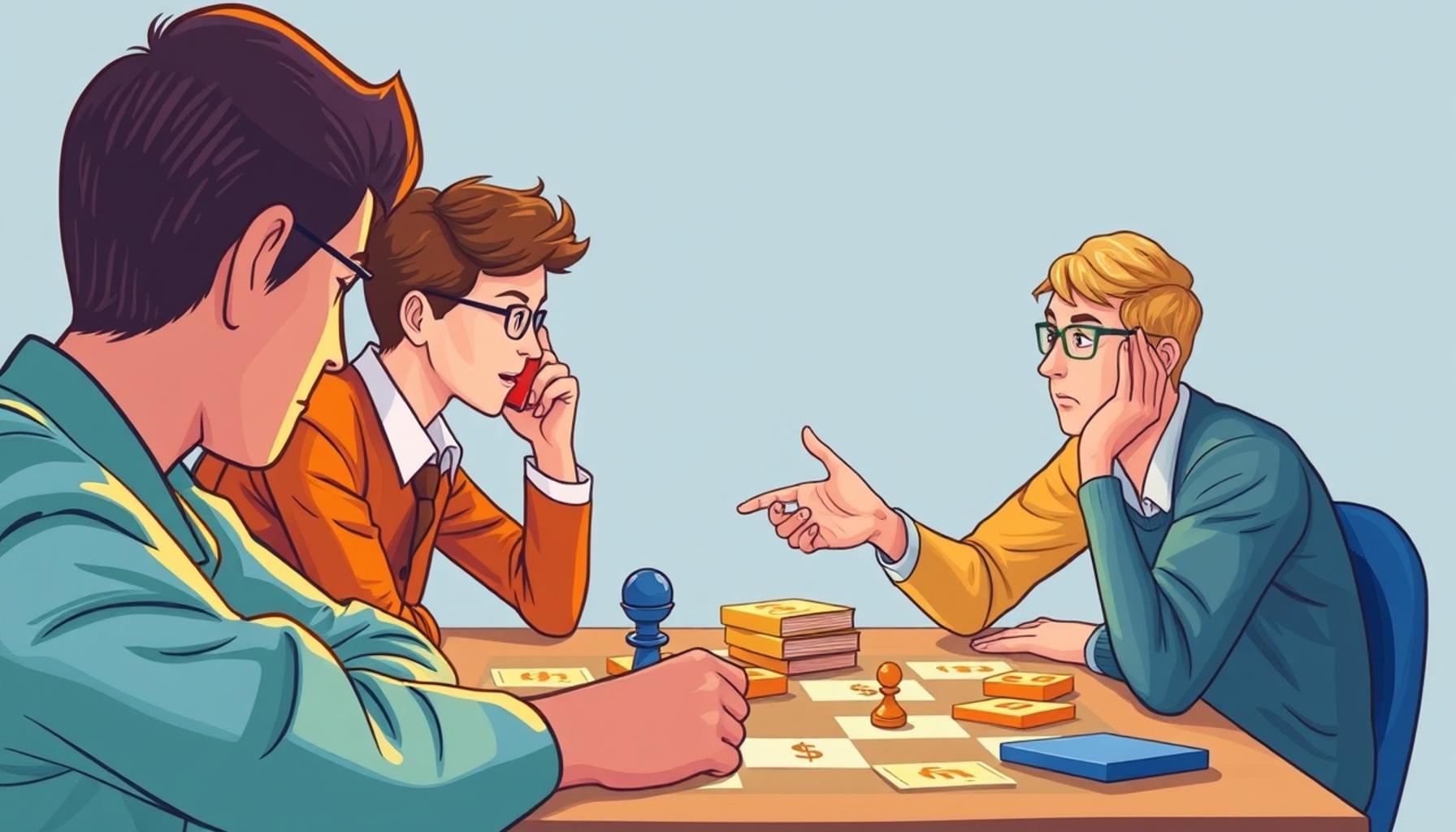
- Strategy games – Engaging in board or card games that require foresight and strategic planning encourages individuals to think both critically and creatively.
As Nigeria continues to develop and evolve, the incorporation of logical puzzles and challenges can serve as a catalyst for cultivating a generation of thinkers who are prepared to tackle the complexities of modern society. It is time for students, educators, and professionals alike to embrace these mental exercises and unlock their full cognitive potential.
| Advantage | Description |
|---|---|
| Enhanced Problem-Solving Skills | Logical challenges encourage individuals to identify solutions from varied angles. |
| Improved Analytical Thinking | Puzzles require the evaluation of information, fostering deeper understanding and reasoning. |
When exploring the benefits of developing critical thinking through logical challenges and puzzles, one essential advantage is the enhancement of problem-solving skills. Engaging with these intellectual exercises compels individuals to approach issues from diverse perspectives. This dynamic approach to problem-solving not only sharpens cognitive abilities but also prepares learners to tackle real-world challenges with confidence.Additionally, logical puzzles greatly contribute to improved analytical thinking. They require the evaluation and synthesis of information, encouraging participants to interpret data critically and draw well-founded conclusions. This skill is invaluable in academic settings and various professional fields. Ultimately, the exploration of these challenges equips individuals with the tools necessary for effective decision-making and reasoning, fostering an environment conducive to continuous learning and personal growth.
YOU MAY ALSO LIKE: Read read another article
The Transformative Impact of Logical Challenges
Incorporating logical challenges into daily life not only enhances individual cognitive abilities but also paves the way for wider societal advantages. In a country like Nigeria, where innovation and problem-solving are pivotal in overcoming socio-economic challenges, fostering critical thinking skills at all levels becomes imperative. Various forms of puzzles act as conduits for this transformative experience, shaping both the minds of individuals and the fabric of communities.
Another intriguing aspect of logical challenges is their capacity to improve decision-making skills. Engaging with scenarios in puzzles often mimics real-life situations where quick yet thoughtful choices must be made. For instance, in logic grid puzzles, solvers learn to evaluate multiple variables and their relationships before arriving at a conclusion. This practice can directly correlate with making strategic decisions in professional settings, such as selecting the most effective business strategy for burgeoning entrepreneurs navigating Nigeria’s dynamic market landscape.
Additionally, the integration of logical challenges can play a vital role in emotional intelligence development. Many puzzles and games require players to cope with failure and recalibrate their approach, enhancing their resilience. In a Nigerian context, where many face daily adversities, the mental tools gained through such exercises can promote a robust mindset, equipping individuals to tackle personal and collective challenges. This fusion of rational and emotional intelligence is not often emphasized in conventional educational frameworks, but it is essential for holistic development.
Puzzles in the Digital Age
The advent of technology has further broadened the scope for engaging with logical puzzles. Numerous mobile applications and online platforms now offer a plethora of brain teasers and logical challenges, making it easier for Nigerians to access these valuable resources. Engaging with digital puzzles not only ensures that learning is interactive and enjoyable but also allows users to track their progress, fostering a sense of accomplishment. Educational institutions could leverage these technologies, incorporating them into classrooms to create more immersive learning experiences that captivate today’s tech-savvy youth.
- Logic games – Digital platforms abound with games that necessitate strategic thinking and foresight, pushing players to anticipate opponents’ moves and plan several steps ahead.
- Escape room challenges – Virtual escape rooms offer puzzles that require teamwork, communication, and critical problem-solving, aligning perfectly with the collaborative spirit needed in today’s workforce.
- Online logic competitions – These events allow participants to compete against others worldwide, raising the level of challenge and introducing diverse problem-solving styles.
Furthermore, engaging with community-driven puzzle initiatives can bridge gaps among different demographics. Local clubs or online forums focused on solving brain teasers can foster intergenerational dialogue, allowing the sharing of knowledge and perspectives that enrich the participating members. In Nigeria, where diverse cultures exist side by side, this exchange can motivate individuals to consider a broader range of solutions, ultimately enhancing their critical thinking ability.
The wealth of cognitive benefits that result from logical challenges and puzzles underscores the need for their integration across various facets of the Nigerian educational, professional, and social landscapes. By actively pursuing opportunities to engage with these mental exercises, individuals can prepare themselves not just to thrive, but to lead in an increasingly complex global environment.
YOU MAY ALSO LIKE: Read read another article
Conclusion: The Future of Thinking Skills
As we navigate the complexities of the modern world, the emphasis on developing critical thinking through logical challenges and puzzles cannot be overstated. These engaging tools not only sharpen our cognitive abilities but also equip us with essential skills for effective problem-solving and decision-making. In contexts like Nigeria, where diverse challenges demand innovative solutions, fostering a culture of critical thinking can catalyze significant societal transformation.
The rise of digital platforms offering a myriad of puzzles presents a remarkable opportunity. As these resources become more accessible, individuals, particularly the youth, can immerse themselves in experiences that challenge their reasoning and enhance their adaptability. Educational institutions can further amplify these benefits by integrating logical challenges into curricula, creating stimulating environments where students thrive and develop both analytical and emotional intelligence.
Moreover, community engagement through puzzle initiatives can promote collaboration across various demographics, bridging cultural gaps and inspiring collective thought. By participating in these activities, individuals not only sharpen their own skills but contribute to a richer tapestry of ideas and solutions within their communities.
In conclusion, embracing logical challenges and puzzles is not merely a recreational endeavor; it is a pivotal part of nurturing a well-rounded population poised to tackle the challenges of both today and tomorrow. As we collectively invest in cultivating these essential thinking skills, we pave the way for a brighter, more innovative future for Nigeria and beyond. A world that prioritizes critical thinking will undoubtedly yield more informed choices and resilient leaders ready to face any obstacles that lie ahead.

Beatriz
Beatriz Johnson is a seasoned puzzle enthusiast and writer with a passion for unraveling the complexities of mind games and brain teasers. With over a decade of experience in the world of puzzles, she specializes in topics like logic games, riddles, and strategic challenges. Through her work, Beatriz empowers readers to sharpen their problem-solving skills, think creatively, and stay engaged in the ever-evolving landscape of mind games and puzzles.