Challenges of Reasoning: The Influence of Puzzle Games on Mental Performance and Creative Problem Solving

The Cognitive Benefits of Engaging with Puzzle Games
Puzzle games have increasingly become a staple of modern entertainment, captivating minds across generations. These seemingly trivial games offer more than mere enjoyment; they serve as potential catalysts for enhancing mental performance and fostering creative problem-solving skills. In Nigeria, where games like Ludo, Sudoku, and Ayo are ingrained in the cultural landscape, the benefits of these puzzles extend far beyond basic leisure, providing significant cognitive advantages that can be particularly relevant in various contexts.
One of the most significant benefits of playing puzzle games is the enhanced critical thinking skills they promote. Engaging with complex puzzles encourages players to analyze situations, make connections, and think strategically. For example, while playing Sudoku, a player must consider various numbers and their placements, weighing multiple possibilities to solve the puzzle. This practice translates into improved decision-making skills in real-life scenarios, such as navigating daily challenges at work or in personal relationships.
Puzzle games also contribute to improved memory. Frequent puzzle-solving tasks can strengthen memory and recall capabilities. Research indicates that activities like crosswords or jigsaw puzzles require players to remember specific details, patterns, or strategies, which can lead to better long-term memory retention. This is particularly relevant for students in Nigeria, where academic pressures demand sharp memory and fast recall of information.
Moreover, the stress-relieving properties of puzzle games cannot be understated. Engaging in enjoyable activities can serve as a mental break, providing much-needed relaxation after a long day. The immersive nature of these games allows players to focus on problem-solving, distracting them from everyday stressors. This dual benefit of reducing tension while enhancing concentration can lead to greater productivity both in and out of the classroom or office.
Another key advantage is the potential for social interaction. Many puzzle games promote connections among players, often leading to collaborative problem-solving experiences. For instance, playing Ludo with friends or family not only fosters a competitive spirit but also strengthens social bonds. These interactions can be particularly significant in Nigeria, where communal activities are a vital part of daily life. Challenging one another in a friendly game can result in laughter, shared strategies, and ultimately improved cognitive skills.
Despite the myriad of benefits, it is essential to recognize the challenges associated with intensive puzzle-solving. The rise of digital games means that players are often exposed to screens for prolonged periods, which can lead to digital fatigue. Additionally, the pressure to succeed in certain competitive formats may foster frustration and disengagement. This article aims to delve deeper into the intricate relationship between puzzle games and cognitive abilities, inviting readers to explore how such games can shape mental functions and enhance problem-solving approaches in everyday interactions.
In conclusion, puzzle games are not just entertaining diversions; they are powerful tools for cognitive development. Understanding their influence offers valuable insights into maximizing their benefits—encouraging critical thinking, memory enhancement, stress relief, and social engagement—all of which contribute positively to personal growth.
CHECK OUT: Click here to explore more
The Mental Strains of Puzzle-Solving
While puzzle games are widely regarded for their cognitive benefits, one must also consider the challenges of reasoning that can emerge from continuous engagement with these brain-teasers. The very nature of puzzles requires players to confront complex scenarios, which can inadvertently lead to cognitive overload. In Nigeria, where educational and work environments often demand high levels of mental acuity, puzzle enthusiasts may find themselves grappling with certain pressures that counteract the benefits intended by these games.
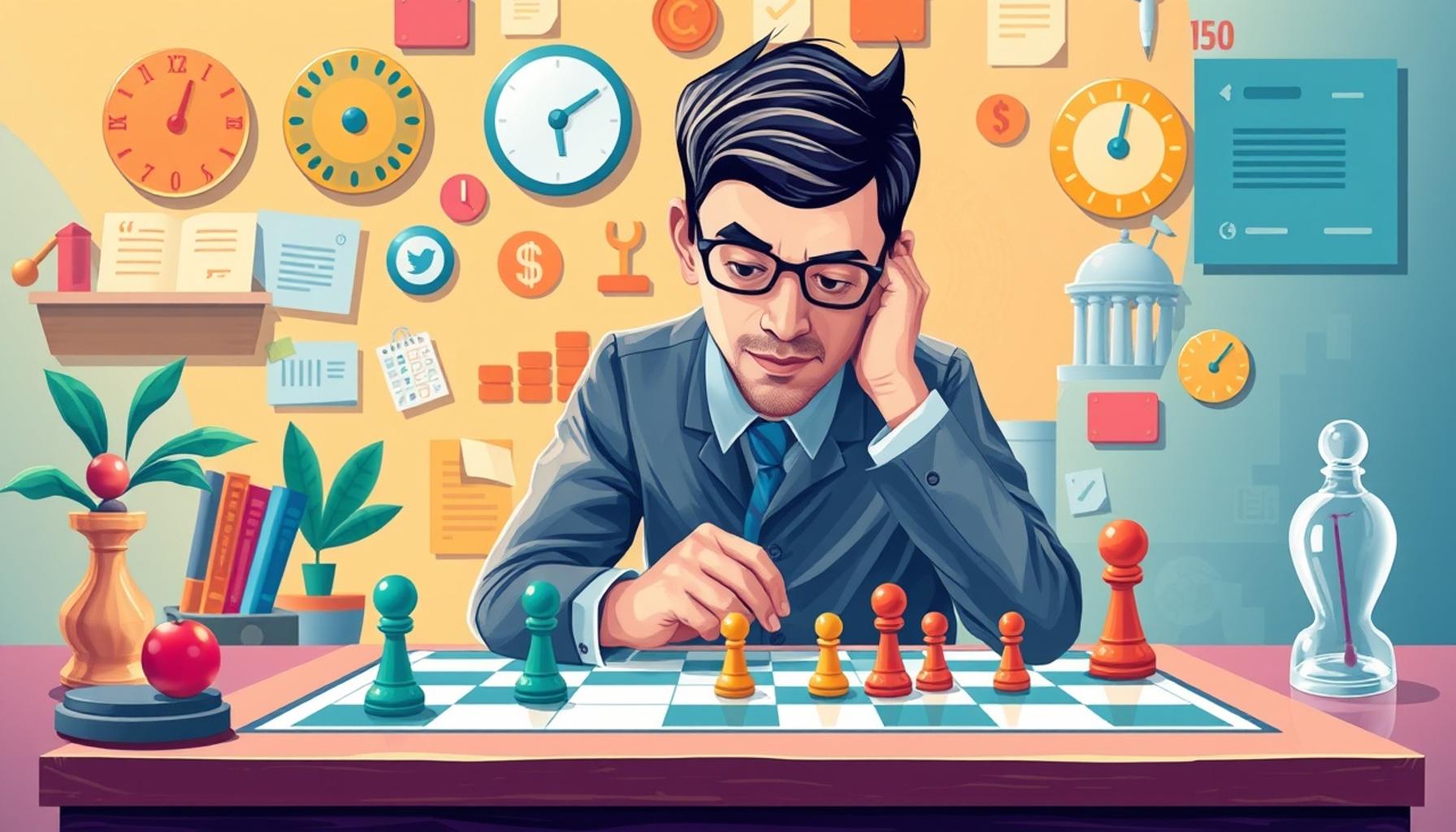
One prominent challenge is the phenomenon known as cognitive fatigue. The brain, much like any other muscle, has its limits. Engaging in intense puzzle-solving for extended durations can lead to a decline in performance. As puzzles become increasingly difficult, players may experience frustration, leading to a mental block that stifles creativity rather than enhancing it. This could prove particularly detrimental for students preparing for exams or professionals needing to solve critical problems in high-stakes settings.
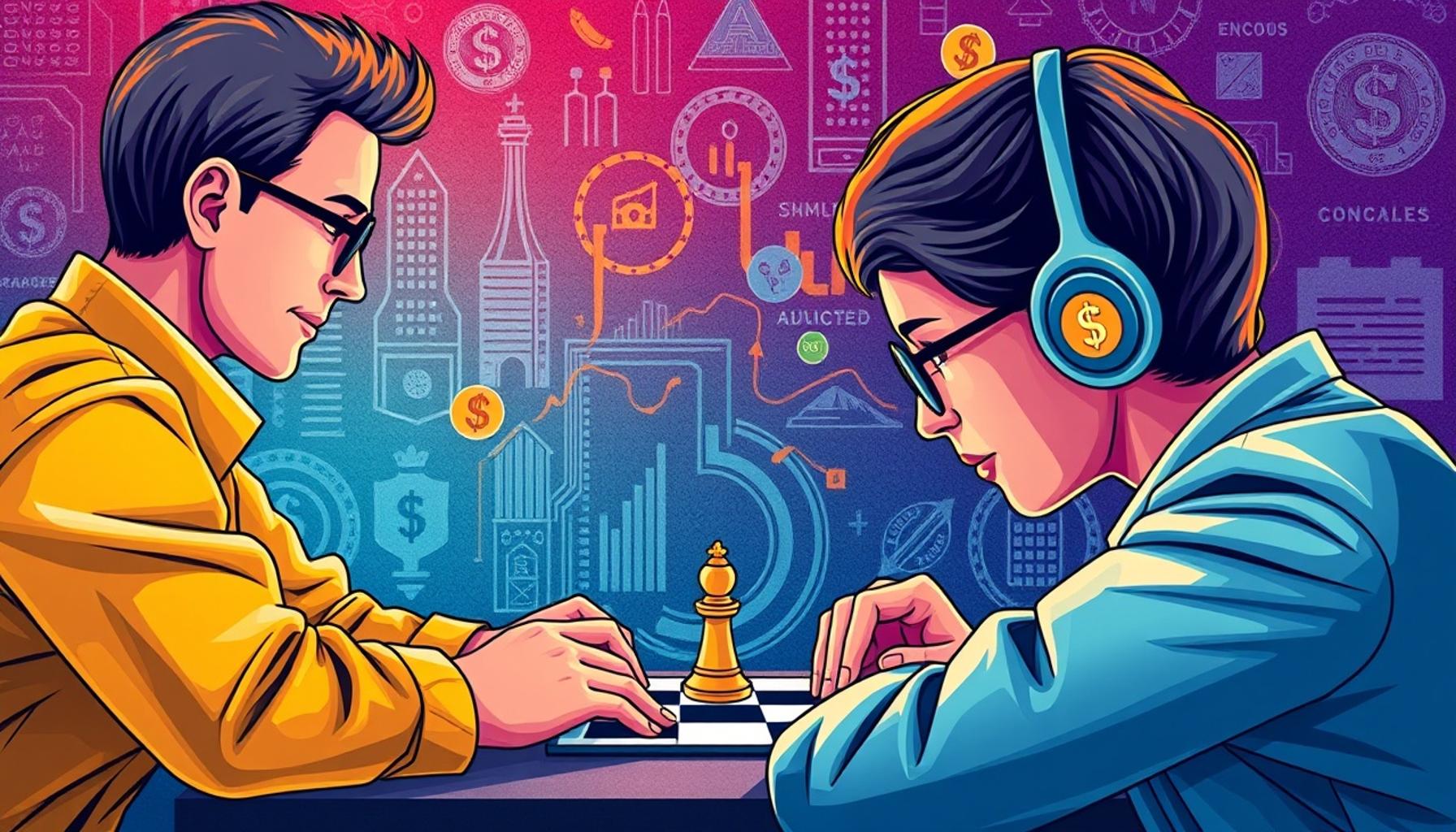
Furthermore, competition is inherent in many puzzle games, whether in local Nigerian gatherings around a game of Ayo or in global online tournaments of chess. This competitive element introduces another layer of pressure that can hinder effective reasoning. When individuals become overly invested in winning, they might diverge from the fundamental objective of the game—improving cognitive skills through playful engagement. The need to perform well can overshadow the intrinsic enjoyment of the game itself, leading to disengagement instead of the anticipated skill enhancement.
Beyond cognitive fatigue, there is the risk of over-reliance on patterns and routines. While recognizing patterns is crucial for solving puzzles, it can also limit a player’s ability to think outside the box. For example, a seasoned Sudoku player might rigidly adhere to familiar methodologies, stifling innovative thinking. This pattern recognition can hinder creative problem-solving in more complex situations outside of the gaming realm, such as in academic pursuits or workplace environments where adaptability and resourcefulness are paramount.
To better understand the mental performance implications of puzzle games, consider the following factors that challenge reasoning abilities:
- Cognitive overload: Excessive hours spent solving puzzles can lead to diminished cognitive processing, resulting in decreased efficiency and accuracy.
- Performance pressure: Competitive settings can create anxiety, leading to decreased problem-solving capabilities over time.
- Stagnation of creativity: A focus on habitual patterns may inhibit innovative thinking, making it challenging to apply learned skills in varied contexts.
In addressing these challenges, it becomes essential to promote a balanced approach towards puzzle games. Understanding when to take a break or how to introduce variety into puzzle-solving strategies can help mitigate cognitive fatigue and foster a healthier engagement with these games. This leads to the critical question: how can players harness the benefits of puzzle games while navigating the mental pitfalls associated with them?
| Aspect | Impact |
|---|---|
| Cognitive Flexibility | Engaging with puzzle games enhances the brain’s ability to switch between tasks and think outside the box, leading to improved mental agility. |
| Problem-Solving Skills | Regular interaction with puzzles fosters analytical thinking, enabling individuals to approach real-world problems with innovative solutions. |
Puzzle games are not only an avenue for entertainment; they serve as a robust tool to enhance cognitive functions. Research indicates that individuals who regularly engage in such activities tend to exhibit higher levels of creativity and problem-solving abilities. The mental challenges presented by these games encourage players to devise unique strategies, improving their overall game performance and, in turn, translating these skills into everyday challenges. As the world increasingly relies on creative solutions for complex issues, understanding the extent of puzzle games’ influence on mental performance is essential for maximizing cognitive development and fostering innovative thought processes. Explore how these games serve as catalysts for heightened mental performance and effective creative problem solving.
RECOMMENDED: Check out this similar article
Strategies for Overcoming Mental Strains
Given the multifaceted challenges associated with puzzle games, it becomes increasingly crucial to explore strategies for overcoming these mental strains. Developing an understanding of how to navigate the complexities of cognitive fatigue, performance pressure, and pattern reliance can empower players to reap the benefits of engaging with these games while mitigating their adverse effects. In the context of Nigeria, where puzzle-solving holds cultural significance and promotes social interaction, implementing these strategies can enhance the overall gaming experience.
One effective approach is the concept of structured breaks. Research indicates that taking intervals during intense cognitive tasks can rejuvenate mental energy and enhance overall performance. For instance, the Pomodoro technique—a time management method that involves working for 25 minutes, followed by a 5-minute break—can be particularly effective. In communal settings, where friends gather to play traditional puzzles like Ayo or Ludu, incorporating breaks into the gameplay can facilitate social bonding while allowing players to recharge mentally.
Additionally, introducing a diversified puzzle portfolio can prevent stagnation and enhance creative problem-solving skills. By engaging with a variety of puzzle types, players can challenge themselves in different ways. For instance, alternating between word puzzles, numerical challenges, and spatial reasoning games can expand cognitive flexibility and foster innovative approaches to problem-solving. This breadth of experience can organically translate to improved performance in academic or professional tasks by equipping individuals with a versatile toolkit of skills.
Furthermore, adopting a mindset of experimentation can decrease the pressure associated with competition. Instead of fixating solely on winning, players can approach puzzles with curiosity, viewing mistakes as valuable learning opportunities rather than failures. For instance, Nigerian students preparing for exams could tackle math puzzles or logical riddles not just with the intent to solve them, but to find out alternative methods and approaches. This transformation in mindset not only enhances creativity but also reduces anxiety that can stem from competitive scenarios.
Moreover, cultivating collaborative problem-solving can infuse fresh perspectives and improve cognitive engagement. Team-based puzzle-solving encourages participants to share insights, exchange strategies, and collectively troubleshoot obstacles. Group efforts in solving puzzles like chess or word games often lead to richer discussions that sharpen reasoning skills and promote teamwork. In Nigerian classrooms, fostering such collaborative environments can enhance learning outcomes and prepare students for future challenges in a societal context where teamwork is valued.
Finally, it’s vital to maintain a healthy balance by recognizing when to step away from puzzles altogether. Engaging in other activities such as physical exercise, arts, or social interactions can replenish mental reserves depleted by intensive puzzle-solving. Thus, nurturing a holistic approach to cognitive health is essential for sustained mental performance and creative problem-solving capabilities.
Overall, the interplay between puzzle games and reasoning challenges presents a unique landscape for exploration. Embracing various strategies can ensure that players maximize their cognitive potential and enjoy the rich, beneficial experiences that come from engaging with these intellectually stimulating activities.
CHECK OUT: Click here to explore more
Conclusion
In summary, the challenges of reasoning presented by puzzle games are both complex and intricately tied to our cognitive development. While these games can fuel creativity and enhance mental performance through diverse problem-solving experiences, they also pose potential cognitive strains that players must navigate. The exploration of various strategies, such as structured breaks, diversified puzzle engagement, and collaborative problem-solving, presents opportunities to enrich the gaming experience while managing the associated pressures. For players in Nigeria, where communal play offers cultural significance, embracing these strategies can transform puzzle-solving from a mere pastime into a powerful tool for personal and collective growth.
As we continue to analyze the relationship between puzzle games and mental performance, it becomes evident that fostering a balance is essential. Engaging in puzzles should not only be a means to rank oneself against others but an avenue for curiosity and exploration. By prioritizing the journey of learning over the outcome, players can diminish anxiety and encourage a mindset ripe for innovation. As a society that values both intellectual prowess and social bonds, Nigeria stands at the forefront of integrating these strategies into everyday life.
Ultimately, understanding the challenges and benefits of puzzle games necessitates a holistic approach—a keen awareness of when to engage and when to step back. This journey invites individuals to cultivate a love for reasoning, problem-solving, and creative thinking, lighting the path to a more stimulated and intellectually vibrant community.

Beatriz
Beatriz Johnson is a seasoned puzzle enthusiast and writer with a passion for unraveling the complexities of mind games and brain teasers. With over a decade of experience in the world of puzzles, she specializes in topics like logic games, riddles, and strategic challenges. Through her work, Beatriz empowers readers to sharpen their problem-solving skills, think creatively, and stay engaged in the ever-evolving landscape of mind games and puzzles.