Enhancing Mental Agility: How Strategy Games and Puzzles Contribute to Cognitive Development
The Importance of Mental Agility
In contemporary society, where decisions often must be made quickly and effectively, the need for enhanced mental agility cannot be overstated. Activities that challenge the mind, such as strategy games and puzzles, provide not only entertainment but also essential learning experiences that can sharpen cognitive skills.
So, what makes these games particularly effective in boosting mental abilities?
- Strategic Planning: Each game session develops a player’s capability to create strategic plans multi-dimensionally. For instance, in traditional games such as Ludu, players must analyze their opponents’ moves and predict their future actions to secure victory.
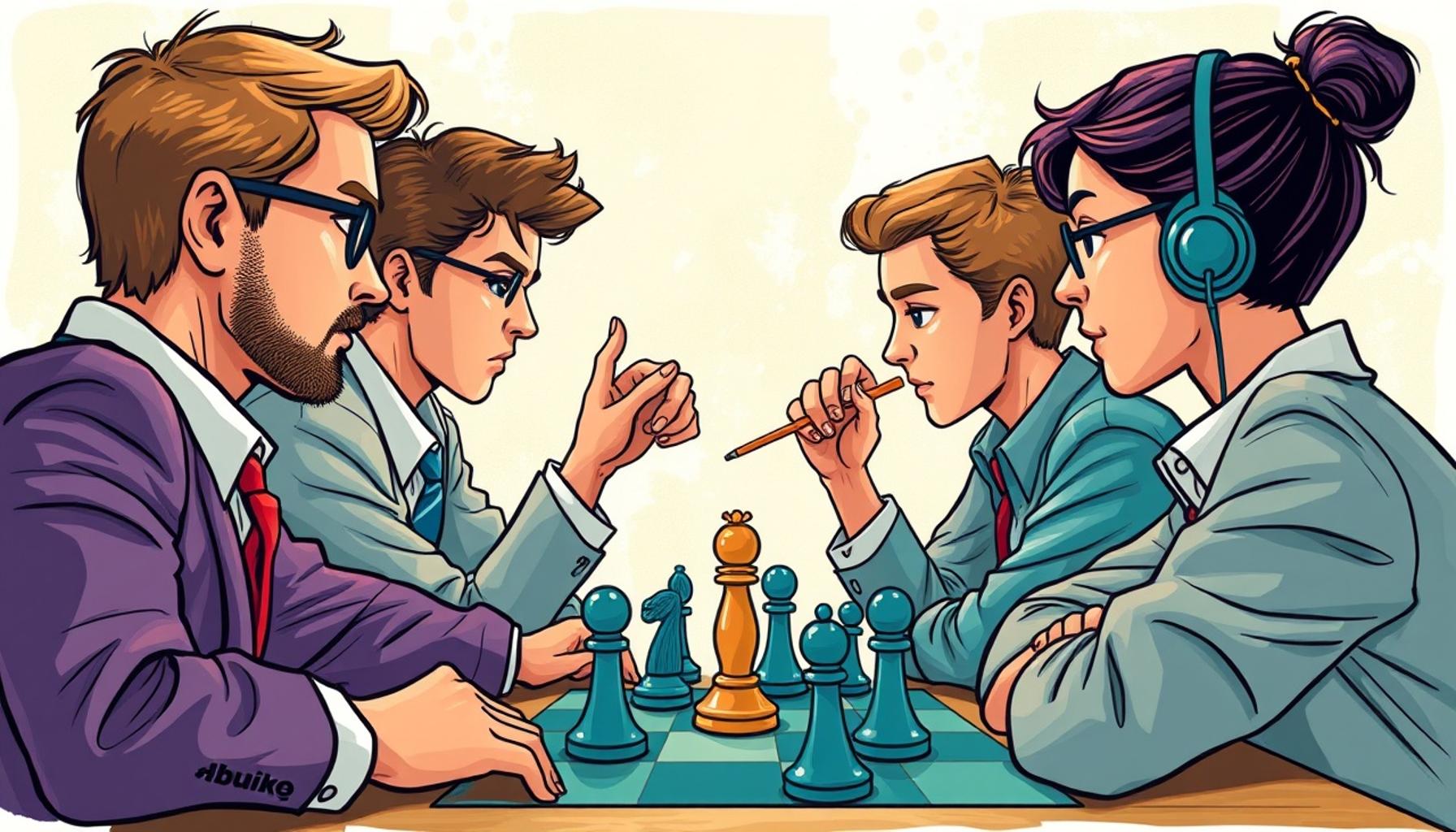
- Flexibility: The dynamic nature of games fosters a sense of adaptability. Changes in tactics, driven by opponents’ play styles, require players to think on their feet. This can be clearly observed in games like Chess, where players must continuously revise their strategies based on their competitor’s moves.
- Memory Use: Many games, including card games like Whot!, involve memorizing cards that have been played or moves made, thus providing a practical way to engage memory and cognitive retention actively.
Cognitive Benefits of Engaging in Games
There’s a notable cultural landscape in Nigeria where traditional and modern games coalesce to enhance cognitive health. For instance, games like Damii (a traditional board game) and contemporary options like Civilization not only entertain Nigerians but also serve as platforms for mental development. Research indicates that persistent engagement in these activities yields various cognitive benefits, including:
- Improved Focus: The immersive nature of strategy games demands and hones the player’s concentration skills. Continuous engagement helps in developing a more acute sense of awareness, beneficial in all walks of life.
- Enhanced Memory: Various cognitive processes are activated during gameplay, which strengthens memory retention. For example, regularly entertaining oneself with Sudoku fosters improvements in numerical memory.
- Cognitive Development: Overall brain function benefits significantly from routine engagement in challenging games and puzzles, leading to improvements in analytical and problem-solving skills vital for day-to-day tasks.
Conclusion
As we further explore the mesmerizing world of strategy games and puzzles, we will uncover the substantial impacts they have on enhancing mental capacity. These activities do not merely keep boredom at bay; they play a crucial role in cognitive enhancement and personal development. Engaging in these games provides an intriguing opportunity to sharpen one’s mind, making it a worthwhile pursuit for individuals of all ages in Nigeria and beyond.
CHECK OUT: Click here to explore more
Engaging the Mind: The Mechanisms Behind Cognitive Gains
Understanding the paths through which strategy games and puzzles foster cognitive development reveals their vital role in enhancing mental agility. Each engagement with these brain-challenging activities serves as a workout for the mind, honing various skills crucial for effective problem-solving and decision-making. The mechanics of cognitive engagement are multifaceted and deeply enriching.
One significant aspect of these activities is their ability to improve executive function. Executive function refers to a set of mental processes that enable us to plan, focus attention, remember instructions, and juggle multiple tasks successfully. Games such as Chess and Scrabble compel players to think long-term and execute plans with precision. The underlying strategies require players to evaluate previous moves, anticipate future threats, and devise counter-strategies—each action training the brain to improve its overall executive capabilities.
Moreover, engaging in these games promotes creative thinking. A game of Monopoly, for instance, showcases how players must innovate on-the-fly, adapting to changing game dynamics and unexpected moves by their opponents. Such interactions encourage a shift from linear thinking to a more flexible approach, compelling players to explore numerous possible outcomes before committing to a single strategy.
Building Skills Through Repetition and Reflection
Continuity in gameplay fosters another layer of cognitive improvement—refinement through repetition and reflection. Here are various crucial skills that benefit from regular involvement in strategy games and puzzles:
- Critical Thinking: The need for sound judgement and reasoned decision-making becomes paramount as players evaluate their options and consequences of their moves.
- Spatial Awareness: Games that involve navigating spaces, such as checkers, significantly enhance players’ capacity to understand and manipulate spatial relationships.
- Analytical Skills: The patterns and strategies observed in puzzle-solving tasks like crosswords or logic puzzles foster an analytical mindset, beneficial for everyday problem solving.
Moreover, research in cognitive psychology supports the idea that gaming contributes to a neuroplastic environment within the brain. This adaptation implies that regular interaction with challenging games can lead to the growth of new neural connections, enhancing learning capacity and cognitive longevity.
In Nigeria, where cultural games such as Ayo or Ludu thrive, the cognitive benefits are profound. The act of play, deeply rooted in social gatherings, not only entertains but also equips individuals with mental flexibility and resilience. As players engage in these traditional games, they unknowingly foster their cognitive development, making each game a lesson in strategy and reason.
As we delve deeper into the fascinating world of cognition tied to strategy games and puzzles, the evidence of their positive impacts continues to unfold. From sharpening analytical skills to fostering creativity, the influence of engaging the mind through playful interactions is undeniable.
| Category | Key Features |
|---|---|
| Cognitive Skill Development | Games and puzzles improve critical thinking, memory retention, and problem-solving abilities. |
| Social Interaction | Engagement in these activities fosters teamwork, communication skills, and social bonding. |
| Stress Relief | Strategy games create a relaxed environment, which can significantly lower stress levels. |
| Enhanced Brain Function | Regular engagement offers long-term benefits that contribute to mental sharpness. |
The world of strategy games and puzzles is far-reaching and deeply impactful on enhancing mental agility. Many studies showcase how these types of activities significantly boost cognitive development, leading to improved memory and problem-solving skills. Individuals can effectively practice critical thinking and strategizing, which are essential life skills.Moreover, engaging in such games is a robust way to promote social interaction. Whether playing in person or online, these activities often require collaboration and communication, thereby enhancing interpersonal skills. Additionally, research indicates that the accomplishment and challenges presented in these games can lead to stress relief, allowing players to unwind after a hectic day.Finally, consistent engagement with strategic endeavors not only bolsters mental capabilities in the short term but also contributes to maintaining enhanced brain function over a lifetime, underlining the importance of integrating such activities into daily routines for individuals of all ages.
YOU MAY ALSO LIKE: Read read another article
The Social Dynamics of Gaming: Collaboration and Competition
Beyond individual cognitive benefits, engaging in strategy games and puzzles introduces a social dimension that enhances mental agility through collaboration and competition. These interactive elements play a crucial role in building not just cognitive skills but also social intelligence. The delicate balance between competing against others and cooperating within a team during gameplay encourages players to develop a multifaceted skill set.
For instance, in multiplayer games such as Team Fortress 2 or League of Legends, players must communicate effectively, share strategies, and make real-time decisions that affect the entire team’s performance. This environment nurtures critical skills like teamwork and leadership. Players develop the ability to negotiate and persuade others, showcasing the interplay between emotional intelligence and cognitive function.
Furthermore, traditional African games like Damii and Oware serve as cultural touchstones that not only entertain but also build community cohesion. Players learn to respect differing opinions, enhance their listening skills, and adapt their strategies based on team dynamics. Such engagement goes beyond the individual cognitive benefits, as a cohesive group can devise elaborate strategies that promote deeper insights and collaborative problem-solving.
Problem-Solving Under Pressure: Cognitive Flexibility in Action
The immersive experience of strategy games also enhances cognitive flexibility, which refers to the brain’s ability to adapt its thinking and switch between different concepts. Whether it’s the intense time pressure experienced in games like Call of Duty or the rapid decision-making required in classic card games like Crazy Eights, the capacity to evaluate and adjust strategies is constantly challenged. This flexibility translates to real-life scenarios where adaptability is vital—such as navigation through complex societal systems or engaging in dynamic professional environments.
Research has shown that cognitive flexibility is predictive of success in various life outcomes, underscoring the importance of activities that encourage this trait. In Nigeria’s fast-growing tech and entrepreneurial sectors, the integration of strategic games in educational programs is becoming increasingly relevant. Schools are beginning to recognize the importance of gamification as a methodological approach, utilizing games not only to engage pupils but also to enhance their decision-making capabilities crucial for their future careers.
Additionally, results from cognitive research indicate that the brain benefits from the cross-training effect inherent in playing different types of games. When players engage with a variety of strategy games and puzzles, they assume different roles and tackle various challenges. This diversity in cognitive engagement promotes resilience and adaptability, equipping individuals with the skills necessary to not only handle everyday challenges but also to thrive in rapidly changing environments.
The synergetic effects of collaborative gameplay, combined with features fostering cognitive flexibility, illustrate how strategy games and puzzles are not merely distractions but powerful tools for bolstering cognitive development. The act of playing transcends mere entertainment, transforming into a rich terrain for mental and social growth, making it pertinent for all age groups, especially in cultures rich with gaming traditions.
RECOMMENDED: Check out this similar article
Conclusion: The Transformative Power of Strategy Games and Puzzles
In summary, the world of strategy games and puzzles offers a compelling landscape for enhancing mental agility and fostering cognitive development. As we have explored, engagement in these activities not only sharpens critical thinking and problem-solving abilities but also nurtures essential social skills such as collaboration, communication, and leadership. The interplay between competition and teamwork creates an enriched environment where players must adapt their strategies and think on their feet—skills that are invaluable in various aspects of life from personal interactions to professional pursuits.
Furthermore, the cultural significance of traditional games in Nigeria, such as Oware and Damii, exemplifies how these pastimes can serve as avenues for community building while simultaneously enhancing cognitive flexibility. This dual benefit contributes to stronger social bonds and a more resilient mind, aspects vital for navigating today’s rapidly changing landscapes.
As educational institutions increasingly integrate gamification approaches, the potential for strategy games to contribute to cognitive skills development is becoming a cornerstone of modern learning environments. The empirical support for their cognitive benefits emphasizes the need for inclusion in curriculums across Nigeria and beyond. By cultivating an appreciation for mental agility through interactive gameplay, we empower the next generation with the tools necessary for success in their academic and career endeavors.
Ultimately, recognizing strategy games and puzzles as vital components of cognitive growth can shift perceptions in societies rich with gaming traditions. As we embrace and promote these activities, we not only enhance mental agility but also enrich our communities, paving the way for a more connected and adaptable future.

Beatriz
Beatriz Johnson is a seasoned puzzle enthusiast and writer with a passion for unraveling the complexities of mind games and brain teasers. With over a decade of experience in the world of puzzles, she specializes in topics like logic games, riddles, and strategic challenges. Through her work, Beatriz empowers readers to sharpen their problem-solving skills, think creatively, and stay engaged in the ever-evolving landscape of mind games and puzzles.