Unlocking Cognitive Development: The Impact of Strategy Games on Mental Performance
The Cognitive Benefits of Engaging with Strategy Games
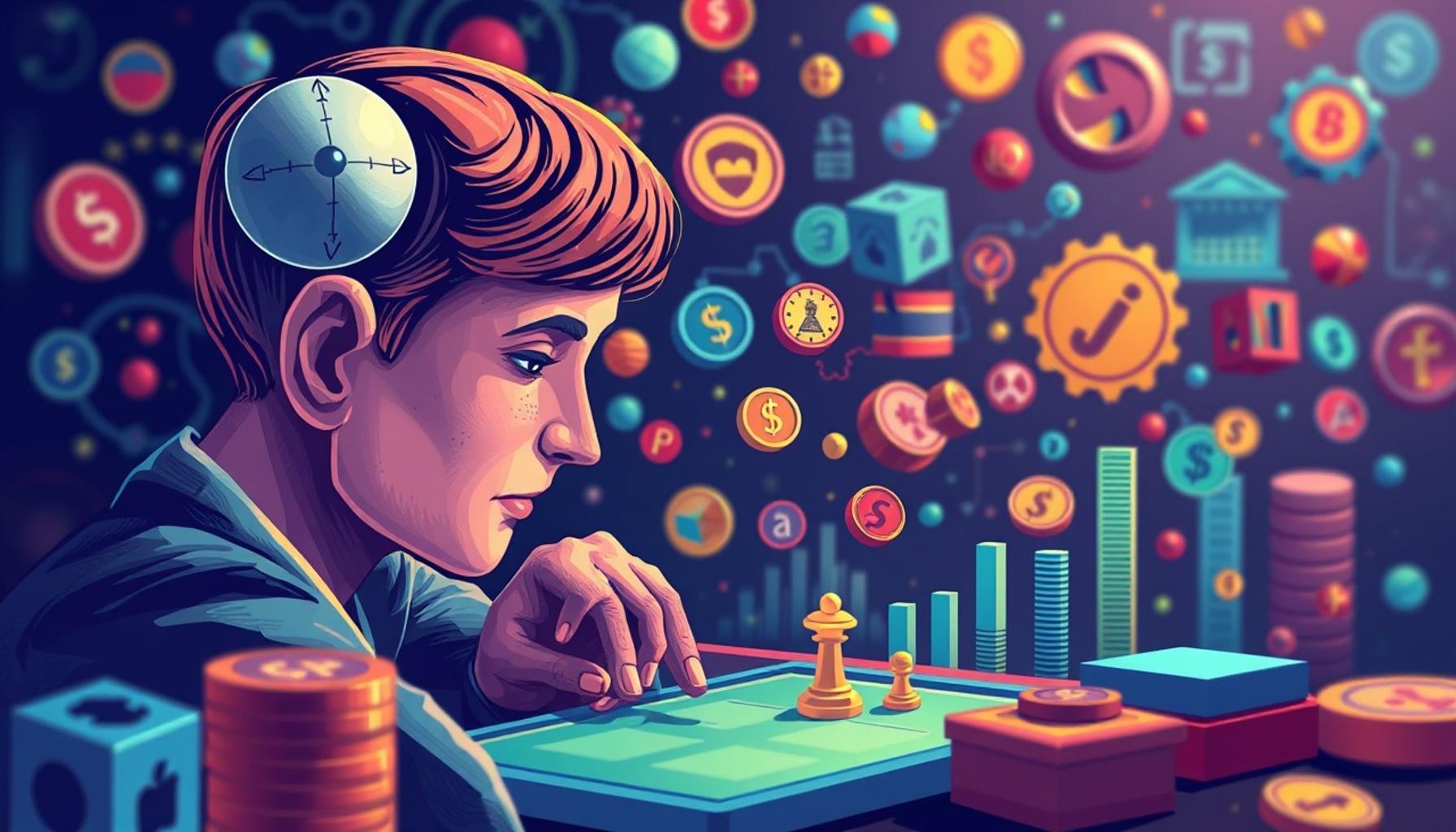
In an age where the capacity for critical thought and problem-solving are increasingly essential, engaging in strategy games offers a unique and enjoyable method for individuals to sharpen these skills. Whether players are immersed in a timeless game of chess or glued to their screens battling it out in mobile juggernauts like *Clash of Clans*, the cognitive workout that these games provide is significant and multifaceted. This article examines the profound benefits that strategy games can impart, far beyond mere enjoyment.
Research studies have consistently indicated that strategy games can uplift various cognitive abilities, including:
- Problem-solving skills – Players are often faced with various challenges that require creative and effective tactics to navigate, encouraging original thinking.
- Critical thinking – Every move in a strategy game is a decision point; evaluating potential outcomes and choosing the best course of action is crucial to master the game.
- Memory enhancement – Players frequently must recall specific maps and strategies, enhancing their memory capacity over time.
In Nigeria, where traditional board games such as *Ludu* and *Damii* have earned their rightful place in cultural heritage, the adaptation of these age-old games into modern digital formats offers exciting opportunities for youth. These games do not merely amuse; they engage players in a dynamic learning process that fosters strategic thinking and planning. For instance, a young player might learn to anticipate their opponent’s moves in *Ludu*, cultivating foresight that is beneficial in everyday decision-making.
Moreover, the popularity of mobile games among Nigerian youth illustrates a broader trend in digital engagement. By promoting games that integrate traditional gameplay with modern technology, educational institutions can leverage these interactive platforms to better prepare students for future challenges. For example, games like *Chess.com* provide a space for players to enhance their strategic abilities while also promoting international collaboration and competition.
As we continue to explore the intersection of strategy games and cognitive development, the implications for education and personal growth are profound. The conversation around utilizing play as a learning tool not only tackles educational advancement but also emphasizes the importance of technology in today’s learning landscape. By investing time in strategy games, individuals can unlock new dimensions of mental performance, paving the way for innovative thinking and effective problem-solving in the real world.
RECOMMENDED: Check out this similar article
Strategy Games as a Catalyst for Cognitive Growth
The allure of strategy games extends far beyond entertainment; they serve as powerful tools that can challenge and refine our cognitive abilities. One might wonder, how do these games facilitate mental performance? Research has revealed that engaging in strategy games not only heightens problem-solving skills and critical thinking but also enhances various cognitive processes. This includes improvements in spatial awareness, which is essential for interpreting visual information and navigating through complex environments.
Strategy games require players to think several steps ahead, similar to psychological chess exercises of the mind. In games like *Sorry!* and *Catan*, players must navigate obstacles while adapting strategies based on their opponents’ moves. Such interactions stimulate the brain’s prefrontal cortex, the area responsible for decision-making and impulse control, fostering greater emotional regulation and response. Investing time in these games can lead to improved cognitive agility, enabling players to tackle real-life challenges with an analytical mindset.
Additionally, the cognitive benefits of strategy games manifest in measurable ways. A study published in the Journal of Cognition and Development found that participants who regularly played strategy games showed a 30% improvement in their cognitive flexibility compared to those who didn’t engage in such activities. Cognitive flexibility is crucial for adapting to new situations and redefining approaches when old strategies fail. This adaptability becomes invaluable, especially in a rapidly evolving job market and educational sectors that demand innovative solutions.
- Visual-Spatial Skills: Proficient players develop enhanced visual-spatial skills, vital for fields ranging from engineering to architecture. Navigating complex game worlds translates to improved ability to manipulate objects and visualize spatial relationships in real life.
- Planning and Execution: Success in strategy games often hinges on meticulous planning. Players must deliberate their moves before execution, cultivating foresight and strategic execution that can be applied in academic and professional settings.
- Collaboration and Teamwork: Multiplayer strategy games encourage collaboration, demonstrating the significance of teamwork. This collaborative aspect mirrors contemporary workplace environments where team dynamics play a pivotal role in project success.
In Nigeria, the cultural relevance of traditional strategy games such as *Ayo* and *Shongo* is profound. These games not only foster community but also provide a platform for cognitive engagement among players of all ages. By integrating these classic games into digital formats, young Nigerians can enjoy the benefits of strategy gaming while remaining connected to their cultural roots. Additionally, schools can capitalize on these games, viewing them as interactive tools to develop essential cognitive skills, as they align with the objectives of modern education.
The transition from traditional to modern strategy games exemplifies how digital engagement can transform learning experiences. With games available on platforms such as *Game Oasis* or local online arenas, students can compete, collaborate, and hone their strategic thinking abilities. In this way, the humble game evolves into a pivotal educational resource, nurturing not only the minds of the youth but also preparing them for the challenges of tomorrow.
| Advantages of Strategy Games | Cognitive Enhancement |
|---|---|
| Improved Problem-Solving Skills | Engagement in strategy games fosters analytical thinking, allowing players to approach problems with enhanced creativity and logic. |
| Increased Memory and Attention | Strategy games challenge players to remember patterns and maintain focus over extended periods, thereby boosting memory retention and enhancing attention spans. |
Delving deeper into the world of cognitive development reveals that strategy games stand out as a significant tool in enhancing mental performance. These games not only provide entertainment but also contribute to brain training, making them a valuable addition for individuals aiming to sharpen their cognitive abilities.One of the remarkable benefits of strategy games is their ability to improve problem-solving skills. As players navigate complex scenarios, they develop critical thinking abilities that enable them to craft effective solutions, which can translate into real-world applications. Engaging with multifaceted challenges encourages a mindset that thrives on creativity and logical reasoning, thus enhancing overall cognitive flexibility.Moreover, strategy games play a crucial role in increasing memory and attention. Participants are continually required to recall various strategies and maintain concentration, resulting in sustained brain activity. This not only aids memory retention but significantly supports the development of attentional resources. The result is an enriched mental capacity that can lead to improved performance in other cognitive tasks and daily life activities.In conclusion, the power of strategy games to unlock cognitive development is substantial, underlining the importance of incorporating these games into daily routines for anyone looking to enhance their mental capabilities. The engagement with such gameplay can be a stepping stone towards a sharper, more agile mind, paving the way for continuous personal growth and knowledge acquisition.
YOU MAY ALSO LIKE: Read read another article
Strategies that Build Lifelong Skills
The engagement with strategy games lays a solid foundation for a multitude of skills that extend beyond the gaming realm. These games introduce a range of scenarios that challenge players to think critically, stratify multiple variables and decorrelate dependence on luck. One of the most significant skills honed through these games is decision-making. Players must analyze a variety of options while weighing the risks and rewards associated with each choice. This analytical approach is invaluable in both personal and professional decision-making contexts.
For instance, in the classic board game *Monopoly*, players learn about investment and resource management in a competitive atmosphere. This simulated environment promotes real-world financial literacy, encouraging young players to understand the implications of spending, saving, and strategic investment. These financial acumen skills are crucial, particularly in Nigeria, where economic literacy can significantly influence personal and communal growth.
Moreover, strategy games often emphasize the importance of patience and perseverance. Players quickly discover that not every move results in immediate victory; instead, success stems from long-term planning and the ability to pivot when strategies falter. This concept of delayed gratification is relevant in numerous aspects of life, from academic pursuits to professional endeavors.
- Memory Improvement: Many strategy games involve elements that require players to memorize game rules, opponent strategies, and resource management techniques. Enhanced memory capacity not only benefits gameplay but also translates to improved retention and recall in academic settings.
- Risk Assessment: Players frequently encounter unpredictable situations that compel them to assess and mitigate risks. This ability to evaluate potential outcomes prepares them for real-world challenges, from business decisions to personal relationships.
- Adaptation to Change: In dynamic game environments where the landscape can shift with each turn, players learn the necessity of adjusting their strategies. Such adaptability is vital in Nigeria’s rapidly changing socioeconomic environment, where flexibility can yield competitive advantages.
Furthermore, international studies highlight that engaging with strategy games can lead to brain health benefits across age groups. A report from the International Games and Sports Association revealed that participants who regularly played strategy games exhibited lower instances of cognitive decline compared to their peers. This prompts an interesting dialogue about the potential role of strategy games in combating age-related cognitive challenges, making them attractive activities not only for youths but also for older adults in Nigeria.
The community aspect of strategy gaming cannot be overstated. Games like *Ayo* encourage social interaction, fostering a sense of belonging and community spirit that is integral to Nigerian culture. As players engage in these games, they experience shared learning opportunities that enhance interpersonal relationships and cultural appreciation. This collaborative spirit can ignite interest in more significant community endeavors, leading to collaborative problem-solving in local challenges, such as infrastructure development or educational engagement.
As digital platforms continue to evolve, the accessibility of traditional strategy games takes on new dimensions, further extending their cognitive benefits. Entertainment can transform into holistic learning experiences, creating avenues for cognitive enrichment that reflects the dynamism of the Nigerian educational landscape. Integrating strategy games in schools can produce environments that prioritize emotional intelligence, creativity, and analytical thinking, molding future leaders equipped to navigate complex societal landscapes.
RECOMMENDED: Check out this similar article
Conclusion: The Future of Cognitive Engagement through Strategy Games
In a world where cognitive development takes center stage, strategy games emerge as powerful tools that unlock mental performance and foster essential life skills. The multitude of benefits associated with these games, from enhanced decision-making capabilities to improved memory retention, highlights their importance in shaping the cognitive landscape, particularly in Nigeria. As players navigate complex scenarios, they develop the patience and perseverance necessary for success both on and off the board.
Furthermore, as we’ve seen, the inherent social aspect of strategy gaming fosters community ties, enhancing interpersonal relationships and cultural appreciation while also tackling collective issues faced by local communities. In an era where socio-economic challenges persist, the skills honed through gameplay can empower individuals to contribute to more considerable societal advancements.
The intersection of strategy games and education opens up new avenues for further exploration. By integrating these cognitive-enhancing activities into academic settings, educators can cultivate environments that prioritize critical thinking, creativity, and emotional intelligence. This approach could provide future generations the tools they need to navigate the complexities of modern challenges.
Ultimately, as strategy gaming continues to evolve with technology, its potential to enrich cognitive development remains boundless. This calls for further research and investment into strategic gaming initiatives as an integral part of lifelong learning. By recognizing and promoting the mental benefits of strategy games, we may well shape a more innovative and resilient society, backed by strategic thinkers ready to tackle the future.

Beatriz
Beatriz Johnson is a seasoned puzzle enthusiast and writer with a passion for unraveling the complexities of mind games and brain teasers. With over a decade of experience in the world of puzzles, she specializes in topics like logic games, riddles, and strategic challenges. Through her work, Beatriz empowers readers to sharpen their problem-solving skills, think creatively, and stay engaged in the ever-evolving landscape of mind games and puzzles.